
Introduction
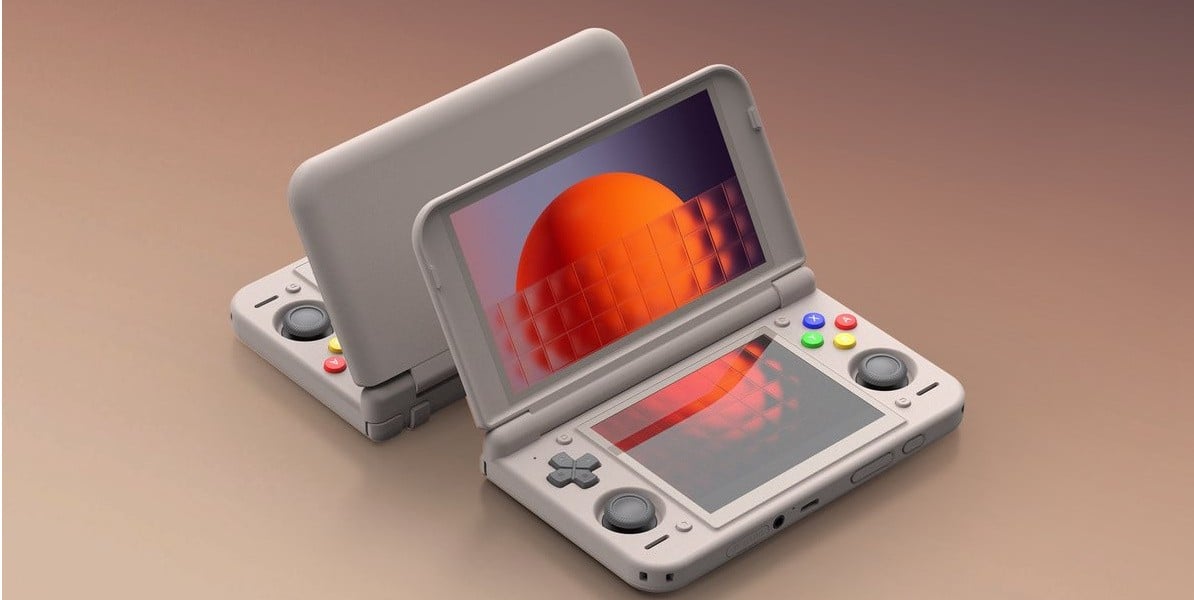
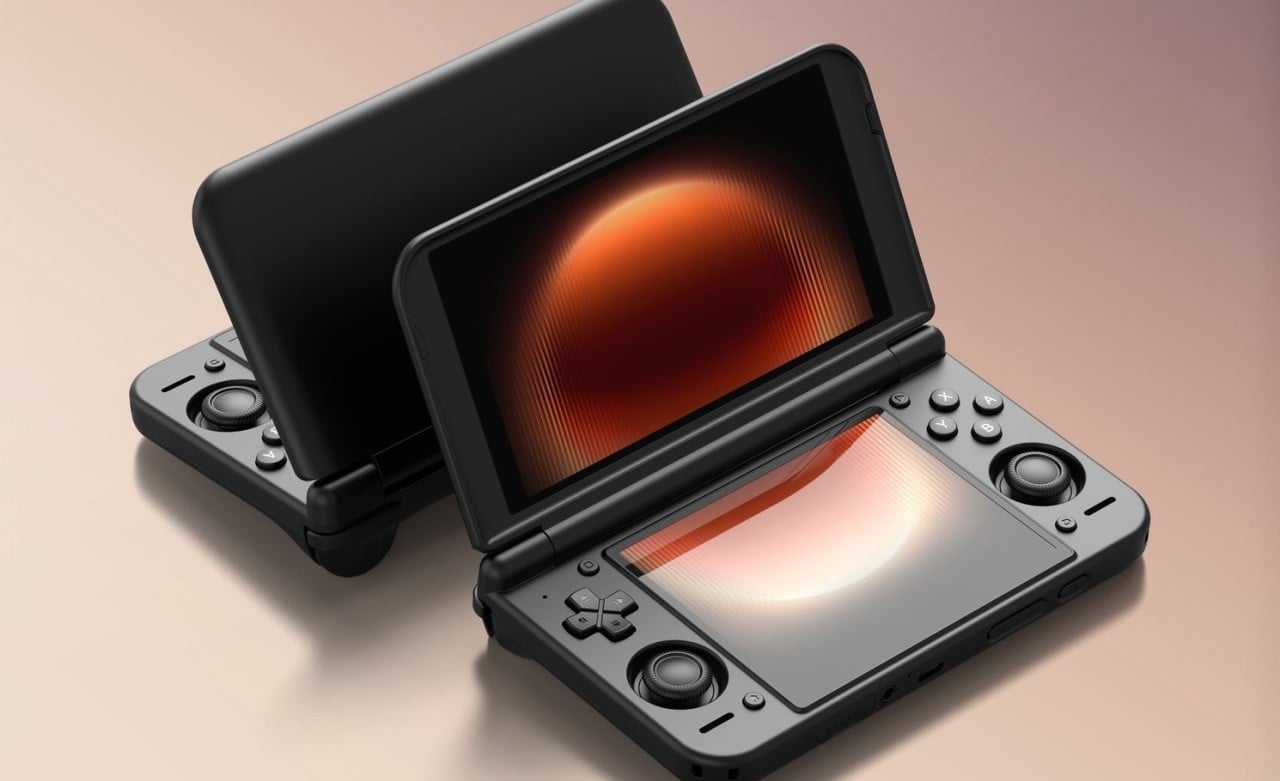
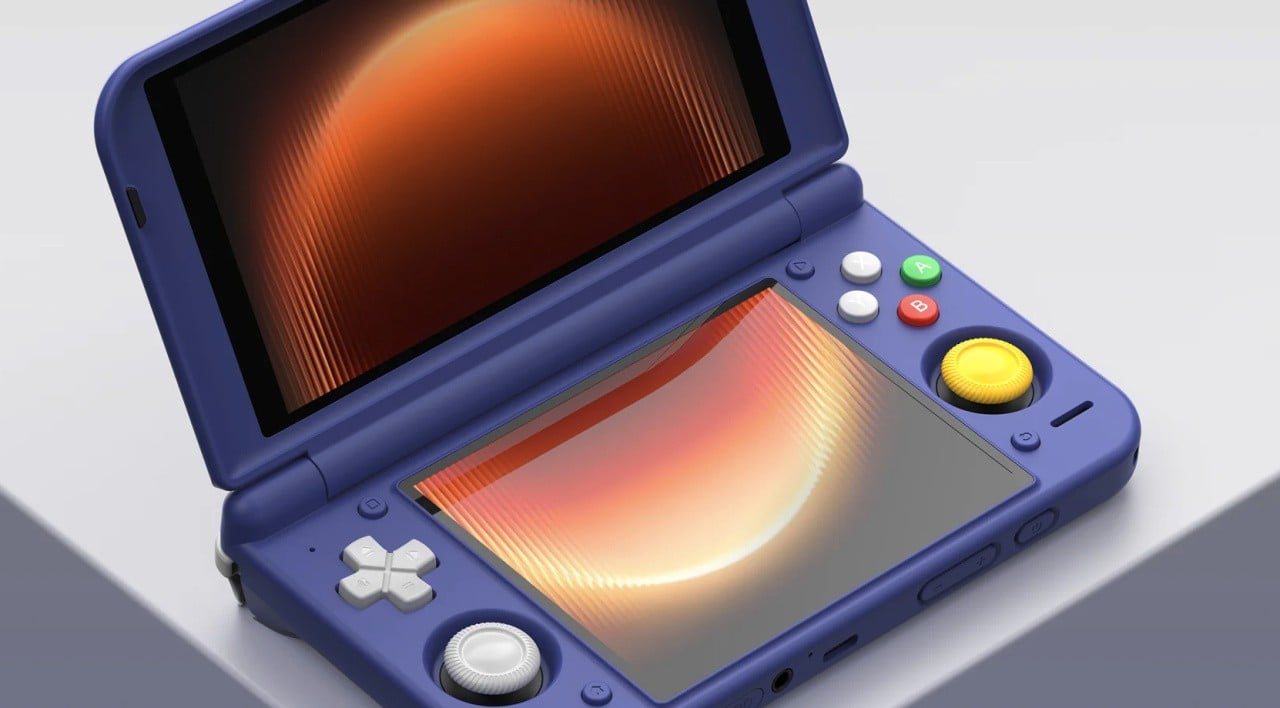
Retroid's recent Pocket Duo Lite handheld has become the center of technical scrutiny after users and third-party outlets reported performance issues tied to the device's display configuration.
The device was announced as part of Retroid’s Pocket Duo family, alongside the Pocket Duo and a later Pocket Duo Lite Plus variant.
On Fri 25th Sep 2026 both initial reporting and a follow-up clarification were published that address chipset capabilities and user experience.
Background and timeline
Original reporting on Fri 25th Sep 2026, 10:00am flagged that the Pocket Duo Lite uses Qualcomm’s Dragonwing QCS6125 chipset.
Subsequent user reports described input latency, stuttering, and sluggish multitasking when running the handheld in its dual-screen mode.
Later that same day, at 3:45pm, Retro Handhelds issued an update noting that inaccuracies in its original coverage had been brought to its attention and providing clarifying information.
Technical context and verified statements
Qualcomm’s documentation for the QCS6125 indicates the part is intended to support a single native display.
By contrast, the Q-7790 SoC used in the Pocket Duo and Pocket Duo Lite Plus supports two displays natively.
Multiple community reports and a post on the Retroid Discord attributed to user CarribeanGamerPR explained the observable behavior in practical terms: because the QCS6125 does not provide native dual-display outputs, Retroid implemented a software and hardware bridge to present a second screen, which adds processing overhead and can produce lag and stutter in certain workloads.
Paraphrased user statement from Retroid Discord
A Discord user explained that the Duo Lite’s QCS6125 does not natively support two MIPI display outputs, so Retroid uses an intermediary bridging solution to drive the second display.
That approach increases processing work and is the likely cause of the reported latency, stuttering, and reduced multitasking performance.
What this means for owners
Verified facts indicate a difference in native display support between the QCS6125 and the Q-7790.
Retroid’s product lineup now includes models with different SoCs and display capabilities; owners of the Pocket Duo Lite who are experiencing issues are reporting the symptoms publicly and discussing them on community channels.
Retro Handhelds has updated its story to correct earlier inaccuracies, and the timeline of reporting is documented on Fri 25th Sep 2026.
Closing
If you ordered a Pocket Duo Lite, check official Retroid communications and community threads for firmware updates or statements.
Readers who have hands-on experience are encouraged to share measured observations or any official responses from Retroid in comments and community forums.
Retroid's recent Pocket Duo Lite handheld has become the center of technical scrutiny after users and third-party outlets reported performance issues tied to the device's display configuration.
The device was announced as part of Retroid’s Pocket Duo family, alongside the Pocket Duo and a later Pocket Duo Lite Plus variant.
On Fri 25th Sep 2026 both initial reporting and a follow-up clarification were published that address chipset capabilities and user experience.
Background and timeline
Original reporting on Fri 25th Sep 2026, 10:00am flagged that the Pocket Duo Lite uses Qualcomm’s Dragonwing QCS6125 chipset.
Subsequent user reports described input latency, stuttering, and sluggish multitasking when running the handheld in its dual-screen mode.
Later that same day, at 3:45pm, Retro Handhelds issued an update noting that inaccuracies in its original coverage had been brought to its attention and providing clarifying information.
Technical context and verified statements
Qualcomm’s documentation for the QCS6125 indicates the part is intended to support a single native display.
By contrast, the Q-7790 SoC used in the Pocket Duo and Pocket Duo Lite Plus supports two displays natively.
Multiple community reports and a post on the Retroid Discord attributed to user CarribeanGamerPR explained the observable behavior in practical terms: because the QCS6125 does not provide native dual-display outputs, Retroid implemented a software and hardware bridge to present a second screen, which adds processing overhead and can produce lag and stutter in certain workloads.
Paraphrased user statement from Retroid Discord
A Discord user explained that the Duo Lite’s QCS6125 does not natively support two MIPI display outputs, so Retroid uses an intermediary bridging solution to drive the second display.
That approach increases processing work and is the likely cause of the reported latency, stuttering, and reduced multitasking performance.
What this means for owners
Verified facts indicate a difference in native display support between the QCS6125 and the Q-7790.
Retroid’s product lineup now includes models with different SoCs and display capabilities; owners of the Pocket Duo Lite who are experiencing issues are reporting the symptoms publicly and discussing them on community channels.
Retro Handhelds has updated its story to correct earlier inaccuracies, and the timeline of reporting is documented on Fri 25th Sep 2026.
Closing
If you ordered a Pocket Duo Lite, check official Retroid communications and community threads for firmware updates or statements.
Readers who have hands-on experience are encouraged to share measured observations or any official responses from Retroid in comments and community forums.