
Retroid Pocket Duo Lite Dual-Screen Performance: Qualcomm QCS6125 Limits Explained
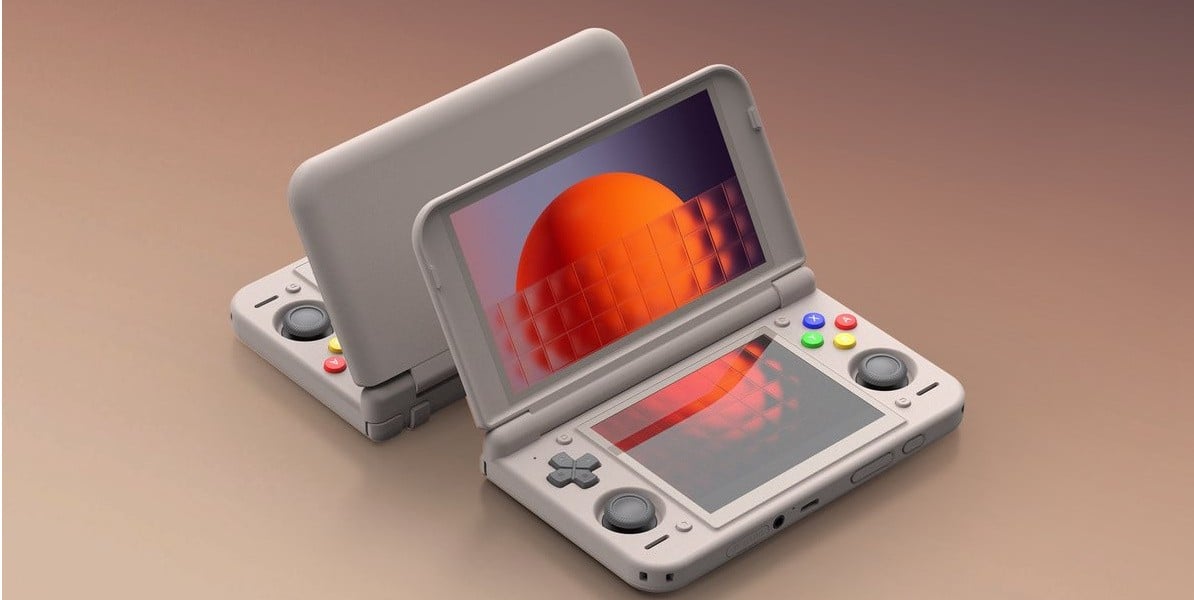
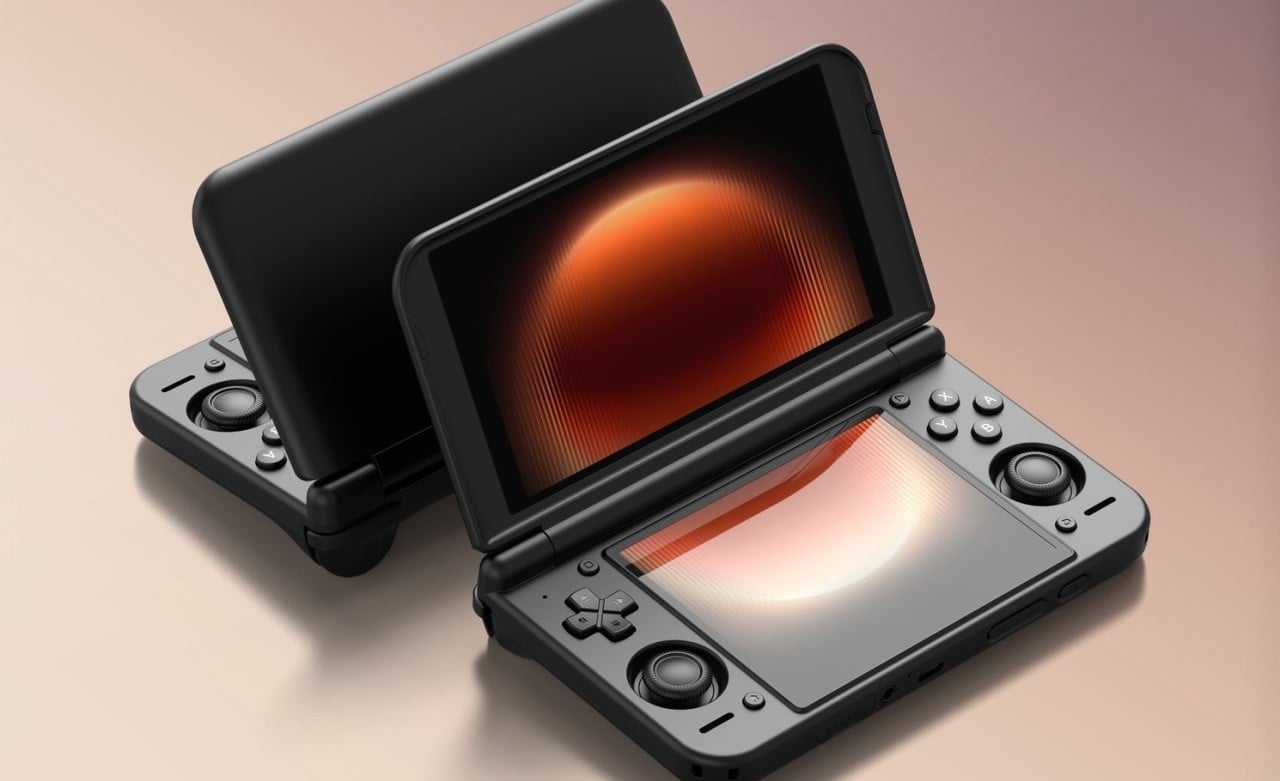
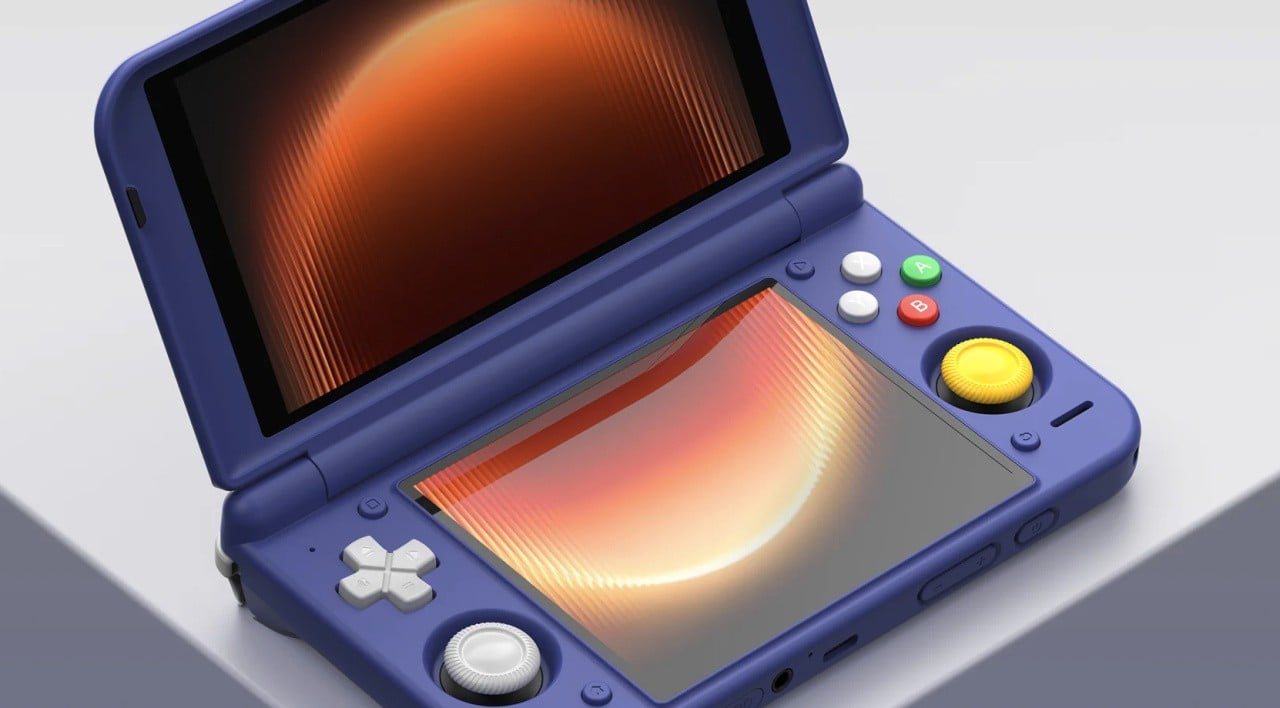
Retroid's Pocket Duo handheld family has drawn attention after the company announced the Pocket Duo Lite Plus shortly after opening pre-orders for the Pocket Duo and Pocket Duo Lite.
While Retroid briefly offered an upgrade path for early Pocket Duo Lite purchasers, that window has since closed.
In the weeks following pre-orders, community reports and coverage from Retro Handhelds have flagged performance concerns on the Pocket Duo Lite tied to its system-on-chip.
Community reporting and platform documentation point to the Qualcomm QCS6125 as a technical constraint.
Retro Handhelds highlighted that the QCS6125 powering the Pocket Duo Lite lacks native support for dual displays.
Qualcomm's publicly available specifications indicate that the QCS6125 is designed to support a single display interface, whereas the Q-7790 used in the Pocket Duo and the Pocket Duo Lite Plus supports two displays natively.
Members of the Retroid community detailed the practical impact of the chipset choice.
A community moderator on the official Retroid Discord explained that the QCS6125 provides only one MIPI display interface, so Retroid implemented a software/bridge solution to drive the second screen.
That workaround, according to the message, is responsible for increased input latency, visual stutter and reduced multitasking responsiveness reported by some users.
Those user reports align with the technical difference between the chips: a native dual-display-capable SoC does not require the same software bridging to present separate outputs.
Retroid's models that ship with the Qualcomm Q-7790 therefore have hardware-level dual-display capability, while the QCS6125-based Pocket Duo Lite must rely on additional handling to present two screens.
Retroid has not issued a technical breakdown beyond its product specifications, and the observations above reflect a combination of official Qualcomm documentation and community reporting as covered by Retro Handhelds and Retroid Discord posts.
Customers who pre-ordered the Pocket Duo Lite and later observed performance issues or missed the upgrade window will find those details relevant when comparing the Lite to the Duo Lite Plus and Duo.
If you ordered a Pocket Duo Lite, community outlets are collecting performance feedback and experiences; readers are encouraged to share impressions and specifics in comments or forum threads to help other buyers and developers monitor real-world behavior.
Retroid's Pocket Duo handheld family has drawn attention after the company announced the Pocket Duo Lite Plus shortly after opening pre-orders for the Pocket Duo and Pocket Duo Lite.
While Retroid briefly offered an upgrade path for early Pocket Duo Lite purchasers, that window has since closed.
In the weeks following pre-orders, community reports and coverage from Retro Handhelds have flagged performance concerns on the Pocket Duo Lite tied to its system-on-chip.
Community reporting and platform documentation point to the Qualcomm QCS6125 as a technical constraint.
Retro Handhelds highlighted that the QCS6125 powering the Pocket Duo Lite lacks native support for dual displays.
Qualcomm's publicly available specifications indicate that the QCS6125 is designed to support a single display interface, whereas the Q-7790 used in the Pocket Duo and the Pocket Duo Lite Plus supports two displays natively.
Members of the Retroid community detailed the practical impact of the chipset choice.
A community moderator on the official Retroid Discord explained that the QCS6125 provides only one MIPI display interface, so Retroid implemented a software/bridge solution to drive the second screen.
That workaround, according to the message, is responsible for increased input latency, visual stutter and reduced multitasking responsiveness reported by some users.
Those user reports align with the technical difference between the chips: a native dual-display-capable SoC does not require the same software bridging to present separate outputs.
Retroid's models that ship with the Qualcomm Q-7790 therefore have hardware-level dual-display capability, while the QCS6125-based Pocket Duo Lite must rely on additional handling to present two screens.
Retroid has not issued a technical breakdown beyond its product specifications, and the observations above reflect a combination of official Qualcomm documentation and community reporting as covered by Retro Handhelds and Retroid Discord posts.
Customers who pre-ordered the Pocket Duo Lite and later observed performance issues or missed the upgrade window will find those details relevant when comparing the Lite to the Duo Lite Plus and Duo.
If you ordered a Pocket Duo Lite, community outlets are collecting performance feedback and experiences; readers are encouraged to share impressions and specifics in comments or forum threads to help other buyers and developers monitor real-world behavior.