The creative history behind Star Fox, one of Nintendo's most iconic franchises, has long intrigued fans and industry insiders alike.
With its debut on the Super Nintendo Entertainment System (SNES) in 1993 and continued presence on consoles like the Nintendo Switch, Star Fox has become synonymous with imaginative character design and innovative gameplay.
In the newly released EDGE magazine Issue 407, the celebrated Star Fox artist Takaya Imamura sheds new light on the creative decisions that shaped the beloved space-faring team.
While many players instantly recognize the distinctive animal pilots in Star Fox, Imamura revealed that the original concept did not feature animals at all.
The game was first envisioned as a traditional sci-fi shooter, reminiscent of the high-octane action seen in the classic F-Zero series.
It was only later in development that the idea to use animals emerged, a choice that would ultimately define the game's enduring charm and identity.
In his EDGE magazine interview, Imamura explained the real-world inspirations behind each main character in the Star Fox team.
According to Imamura, Fox McCloud was created to reflect the character and essence of Shigeru Miyamoto, Nintendo's legendary designer and the creative force behind both Star Fox and Super Mario.
Peppy Hare, the seasoned mentor of the team, was modeled after game director Katsuya Eguchi, infusing the character with similar traits of leadership and guidance.
Falco Lombardi, known for his sharp wit and self-assured demeanor, took inspiration from graphics team member Tsuyoshi Watanabe.
Imamura noted that Watanabe's distinctive nose led to the memorable avian design for Falco, adding a personal and humorous touch to the character's creation.
Slippy Toad, the team's inventive mechanic, was inspired by assistant director Yoichi Yamada, whose personal affinity for frogs helped bring Slippy to life.
These insights provide a fascinating glimpse into Nintendo's creative process and the strong ties between its development teams and their iconic video game characters.
Over the years, Star Fox has become renowned not only for its gameplay innovations, such as the use of the Super FX chip for 3D graphics, but also for its vibrant cast and rich narrative.
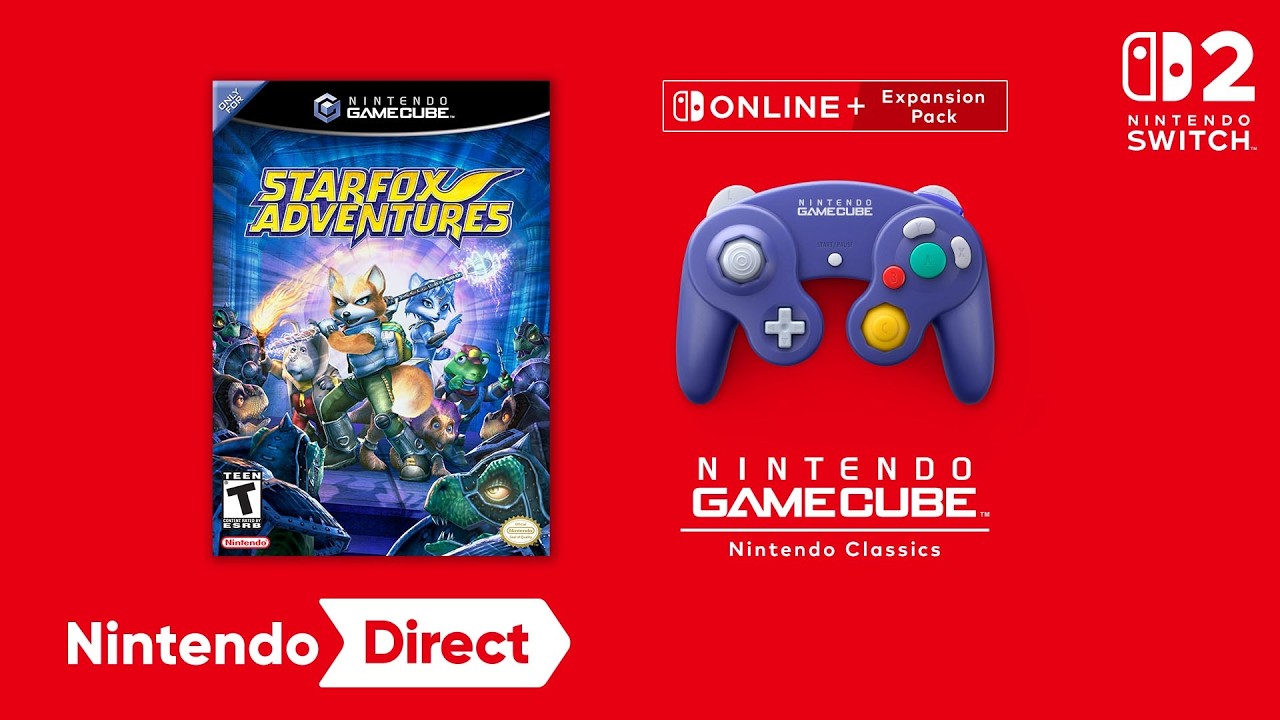
The series has seen multiple releases across Nintendo platforms, including appearances on the GameCube, Wii U, and most recently, classic re-releases on the Nintendo Switch through the Nintendo Switch Online membership service.
As EDGE magazine Issue 407 highlights, the collaborative and imaginative spirit at Nintendo continues to shape some of the gaming industry's most memorable franchises.
Takaya Imamura's revelations further cement the Star Fox team's legacy and provide valuable perspective on the creative inspirations behind gaming's most enduring characters.
With its debut on the Super Nintendo Entertainment System (SNES) in 1993 and continued presence on consoles like the Nintendo Switch, Star Fox has become synonymous with imaginative character design and innovative gameplay.
In the newly released EDGE magazine Issue 407, the celebrated Star Fox artist Takaya Imamura sheds new light on the creative decisions that shaped the beloved space-faring team.
While many players instantly recognize the distinctive animal pilots in Star Fox, Imamura revealed that the original concept did not feature animals at all.
The game was first envisioned as a traditional sci-fi shooter, reminiscent of the high-octane action seen in the classic F-Zero series.
It was only later in development that the idea to use animals emerged, a choice that would ultimately define the game's enduring charm and identity.
In his EDGE magazine interview, Imamura explained the real-world inspirations behind each main character in the Star Fox team.
According to Imamura, Fox McCloud was created to reflect the character and essence of Shigeru Miyamoto, Nintendo's legendary designer and the creative force behind both Star Fox and Super Mario.
Peppy Hare, the seasoned mentor of the team, was modeled after game director Katsuya Eguchi, infusing the character with similar traits of leadership and guidance.
Falco Lombardi, known for his sharp wit and self-assured demeanor, took inspiration from graphics team member Tsuyoshi Watanabe.
Imamura noted that Watanabe's distinctive nose led to the memorable avian design for Falco, adding a personal and humorous touch to the character's creation.
Slippy Toad, the team's inventive mechanic, was inspired by assistant director Yoichi Yamada, whose personal affinity for frogs helped bring Slippy to life.
These insights provide a fascinating glimpse into Nintendo's creative process and the strong ties between its development teams and their iconic video game characters.
Over the years, Star Fox has become renowned not only for its gameplay innovations, such as the use of the Super FX chip for 3D graphics, but also for its vibrant cast and rich narrative.
The series has seen multiple releases across Nintendo platforms, including appearances on the GameCube, Wii U, and most recently, classic re-releases on the Nintendo Switch through the Nintendo Switch Online membership service.
As EDGE magazine Issue 407 highlights, the collaborative and imaginative spirit at Nintendo continues to shape some of the gaming industry's most memorable franchises.
Takaya Imamura's revelations further cement the Star Fox team's legacy and provide valuable perspective on the creative inspirations behind gaming's most enduring characters.