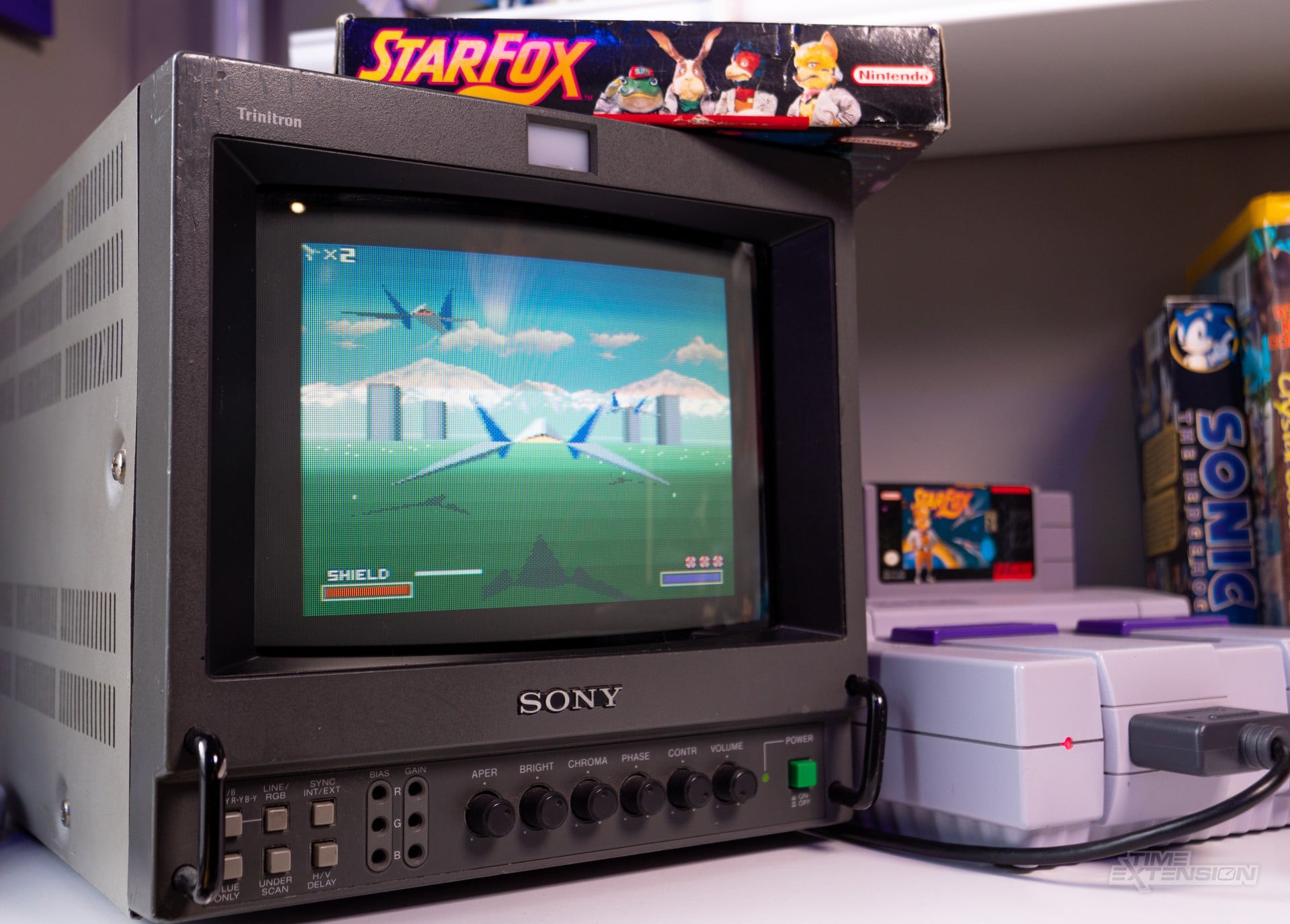



Sunlit’s community upgrade for the original 1993 SNES classic Star Fox is now using Randy Linden’s Super FX 3 implementation, producing measurable performance gains for the polygonal rail shooter.
The Super FX chip was a landmark for the Super Nintendo, and this FX3 work — developed originally for Limited Run’s updated SNES DOOM port — has been integrated into a fan update that runs under the MesenCE emulator after that emulator added FX3 support.
Star Fox was the first SNES title to ship with Argonaut’s Super FX co-processor, enabling early 3D visuals on the console when it released in 1993.
Sunlit’s update applies Linden’s Super FX 3 to the ROM and takes advantage of MesenCE’s new chip emulation to deliver higher internal clock performance.
According to the developer, users should expect roughly four to eight times better performance depending on which Super FX revision is being compared.
In Sunlit’s words, the FX3 operates at around eight times the speed of the original 10.7 MHz MARIO Super FX chip that shipped with Star Fox, and about four times the speed of the later 21.4 MHz GSU-1/GSU-2 chips.
The update also restores rumble functionality originally seen in the Star Fox Shindou Edition and offers optional MSU-1 audio support for those using Sunlit’s MSU-1 track mapping.
The developer adds that the game’s framerate cap has not been removed, but the update allows the title to reach the 20 frames-per-second cap far more frequently than before, improving perceived smoothness on original timing.
MesenCE’s development build now includes Super FX 3 support, enabling users to run the upgraded ROM under the emulator for testing and preservation work.
Sunlit has published the patch and the upgrade for users to download, and the MesenCE development build with FX3 support is available from the emulator’s development channels.
This FX3 integration represents a notable example of modern tooling improving the performance envelope of classic SNES titles while preserving original timing and behavior.
For preservation-minded players and retro enthusiasts, Sunlit’s work — combined with Randy Linden’s FX3 and MesenCE’s emulator updates — provides a clearer path to running enhanced versions of Super FX-era games without altering their fundamental design.
The Super FX chip was a landmark for the Super Nintendo, and this FX3 work — developed originally for Limited Run’s updated SNES DOOM port — has been integrated into a fan update that runs under the MesenCE emulator after that emulator added FX3 support.
Star Fox was the first SNES title to ship with Argonaut’s Super FX co-processor, enabling early 3D visuals on the console when it released in 1993.
Sunlit’s update applies Linden’s Super FX 3 to the ROM and takes advantage of MesenCE’s new chip emulation to deliver higher internal clock performance.
According to the developer, users should expect roughly four to eight times better performance depending on which Super FX revision is being compared.
In Sunlit’s words, the FX3 operates at around eight times the speed of the original 10.7 MHz MARIO Super FX chip that shipped with Star Fox, and about four times the speed of the later 21.4 MHz GSU-1/GSU-2 chips.
The update also restores rumble functionality originally seen in the Star Fox Shindou Edition and offers optional MSU-1 audio support for those using Sunlit’s MSU-1 track mapping.
The developer adds that the game’s framerate cap has not been removed, but the update allows the title to reach the 20 frames-per-second cap far more frequently than before, improving perceived smoothness on original timing.
MesenCE’s development build now includes Super FX 3 support, enabling users to run the upgraded ROM under the emulator for testing and preservation work.
Sunlit has published the patch and the upgrade for users to download, and the MesenCE development build with FX3 support is available from the emulator’s development channels.
This FX3 integration represents a notable example of modern tooling improving the performance envelope of classic SNES titles while preserving original timing and behavior.
For preservation-minded players and retro enthusiasts, Sunlit’s work — combined with Randy Linden’s FX3 and MesenCE’s emulator updates — provides a clearer path to running enhanced versions of Super FX-era games without altering their fundamental design.