Takaya Imamura, the art director best known for his work on Star Fox 64, has publicly reacted to a recent demo build of the game running on next-generation Nintendo hardware.
Star Fox 64 originally launched on the Nintendo 64 in 1997 and remains one of the console's most influential entries; Imamura's input shaped the series' visual identity and character presentation from the start.
Writing on X (the service formerly known as Twitter), Imamura reflected on how hardware limits in the Nintendo 64 era affected players' understanding of in-game graphics.
He explained that at the time, it was hard for audiences to tell the difference between pre-rendered cinematics and real-time CGI.
To compensate, the team behind Star Fox 64 deliberately designed in-game demo scenes to match the visual punch of pre-rendered sequences while retaining the immediacy of interactive, real-time graphics.
Seeing the modern update, Imamura said, is deeply moving and highlights the technical progress that has occurred since 1997.
In journalistic terms, Imamura described the original development challenge as one of perception: because contemporary pre-rendered cutscenes—commonly seen on rival platforms of the late 1990s—set player expectations, Nintendo's team worked to make real-time presentations equally striking.
He added that the new visuals demonstrate those original ambitions have finally been realized with current hardware capabilities.
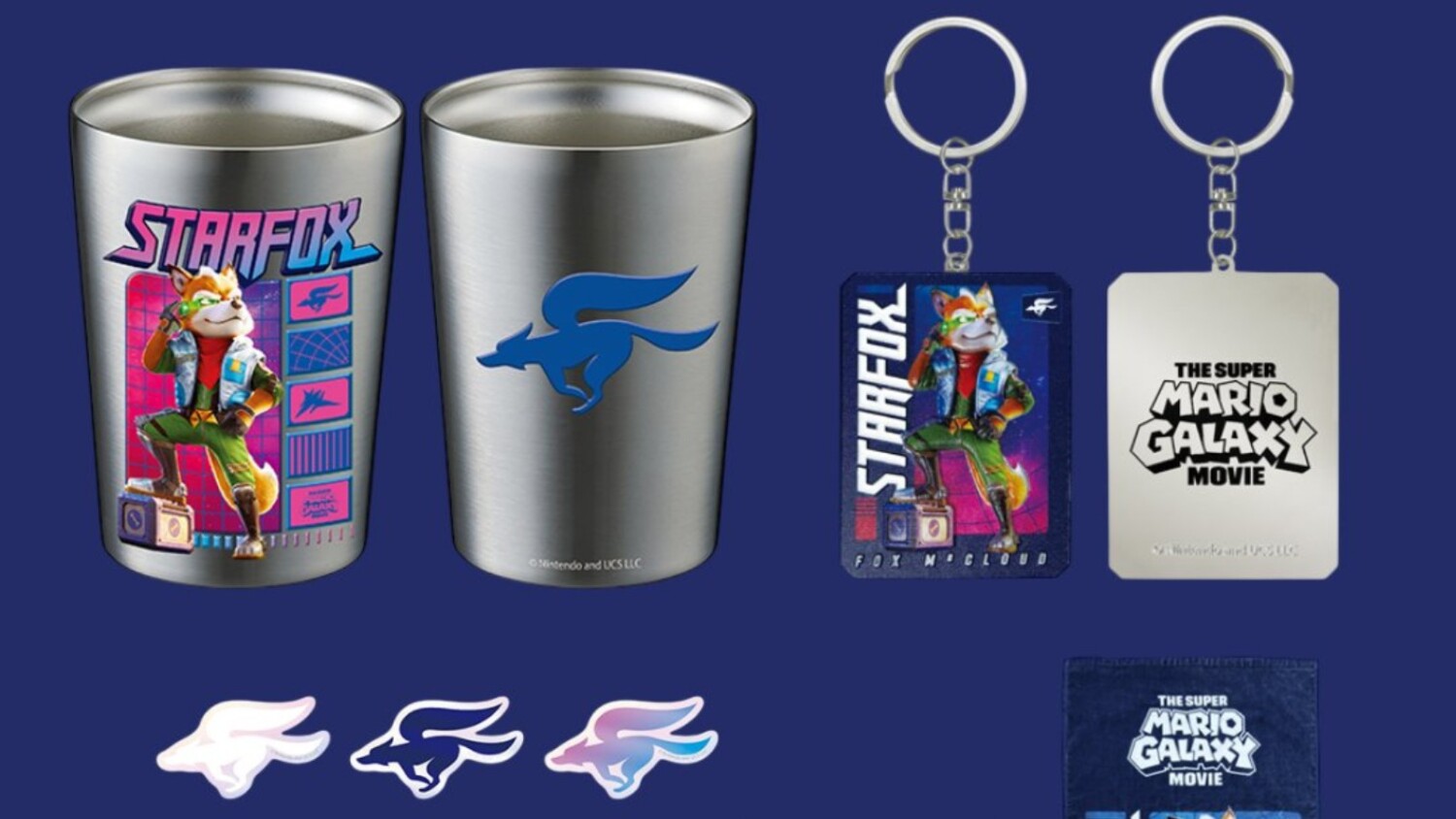
Imamura has also commented on character design changes in the updated release, noting that while he appreciates the new take on Fox McCloud, he personally prefers a different, more cinematic interpretation of the character.
Coverage of the available demo further notes that while the visual overhaul is significant, the core gameplay appears to remain largely faithful to the 1997 original, supplemented by additional content intended to broaden the package for modern audiences.
For readers tracking Nintendo's platform evolution, this exchange underscores a throughline from the Nintendo 64 to today's systems: developers continually push to reconcile artistic intent with the capabilities of hardware, and long-running franchises like Star Fox serve as visible markers of that progress.
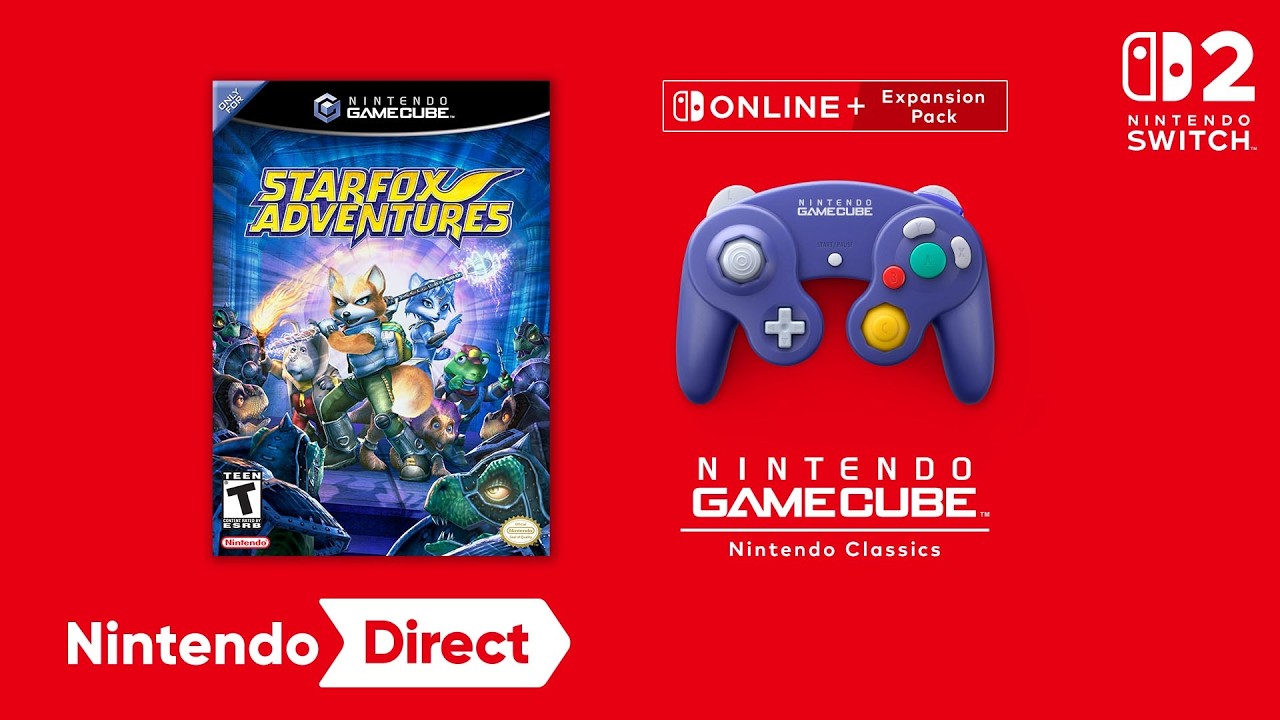
Fans interested in demos and release information should continue to watch official Nintendo channels such as Nintendo Direct announcements and the Nintendo eShop for formal updates and distribution details.
Star Fox 64 originally launched on the Nintendo 64 in 1997 and remains one of the console's most influential entries; Imamura's input shaped the series' visual identity and character presentation from the start.
Writing on X (the service formerly known as Twitter), Imamura reflected on how hardware limits in the Nintendo 64 era affected players' understanding of in-game graphics.
He explained that at the time, it was hard for audiences to tell the difference between pre-rendered cinematics and real-time CGI.
To compensate, the team behind Star Fox 64 deliberately designed in-game demo scenes to match the visual punch of pre-rendered sequences while retaining the immediacy of interactive, real-time graphics.
Seeing the modern update, Imamura said, is deeply moving and highlights the technical progress that has occurred since 1997.
In journalistic terms, Imamura described the original development challenge as one of perception: because contemporary pre-rendered cutscenes—commonly seen on rival platforms of the late 1990s—set player expectations, Nintendo's team worked to make real-time presentations equally striking.
He added that the new visuals demonstrate those original ambitions have finally been realized with current hardware capabilities.
Imamura has also commented on character design changes in the updated release, noting that while he appreciates the new take on Fox McCloud, he personally prefers a different, more cinematic interpretation of the character.
Coverage of the available demo further notes that while the visual overhaul is significant, the core gameplay appears to remain largely faithful to the 1997 original, supplemented by additional content intended to broaden the package for modern audiences.
For readers tracking Nintendo's platform evolution, this exchange underscores a throughline from the Nintendo 64 to today's systems: developers continually push to reconcile artistic intent with the capabilities of hardware, and long-running franchises like Star Fox serve as visible markers of that progress.
Fans interested in demos and release information should continue to watch official Nintendo channels such as Nintendo Direct announcements and the Nintendo eShop for formal updates and distribution details.