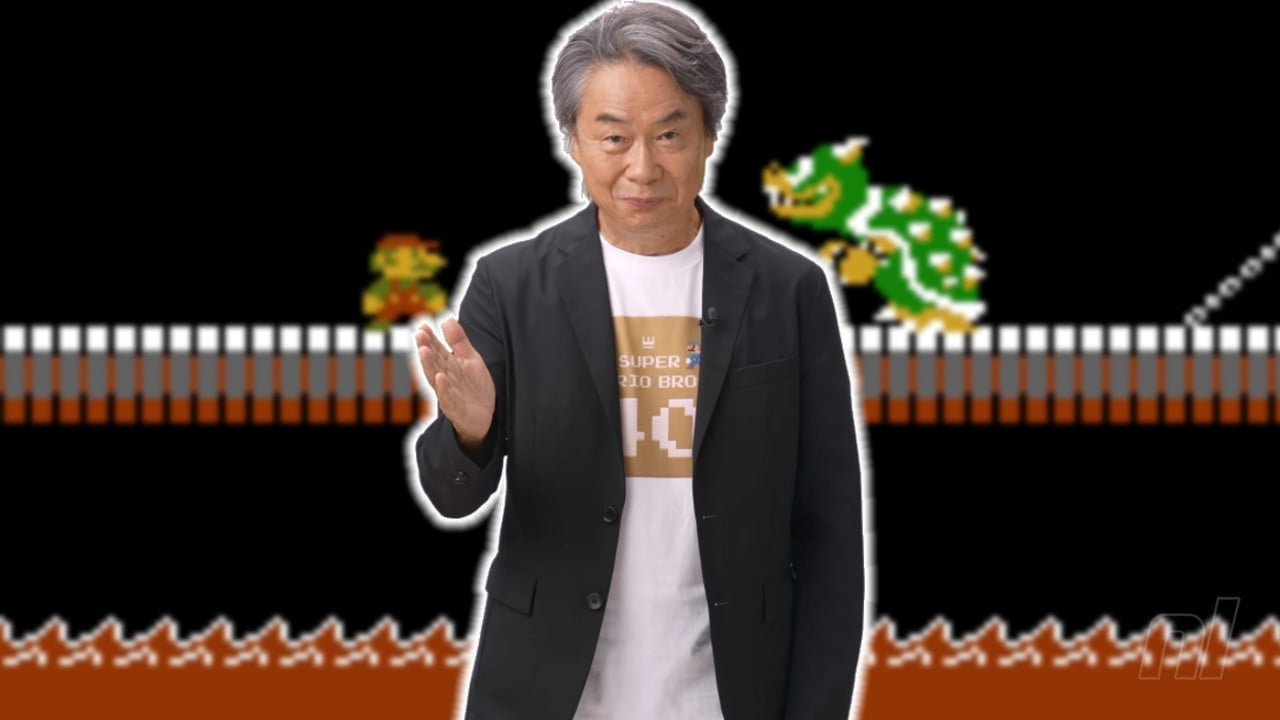

Shigeru Miyamoto, the architect behind Mario and Zelda, has been named a recipient of Japan's Order of Culture for 2026, an honor that recognises significant contributions to Japanese arts and culture.
The announcement coincides with a recent interview Miyamoto gave to Denfaminicogamer, in which he revisited design decisions from Super Mario Bros., the 1985 NES platformer that helped define an entire genre and established Mario as Nintendo's global mascot.
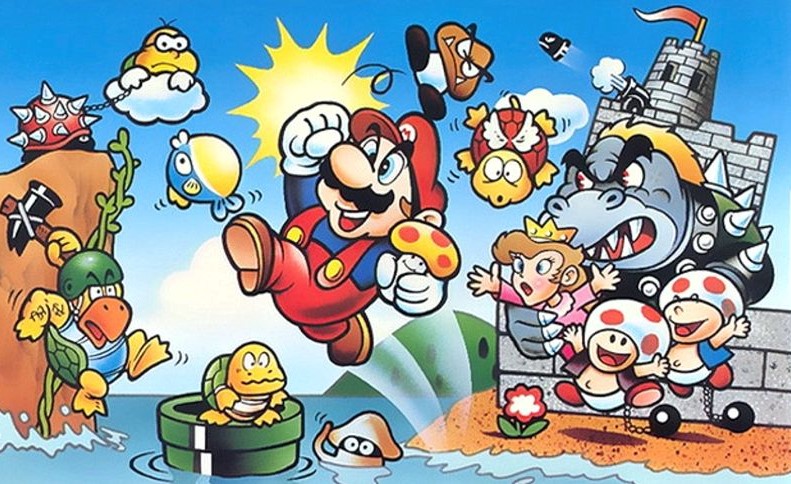
Super Mario Bros., released for the Nintendo Entertainment System in 1985, is widely cited as a blueprint for side-scrolling platformers.
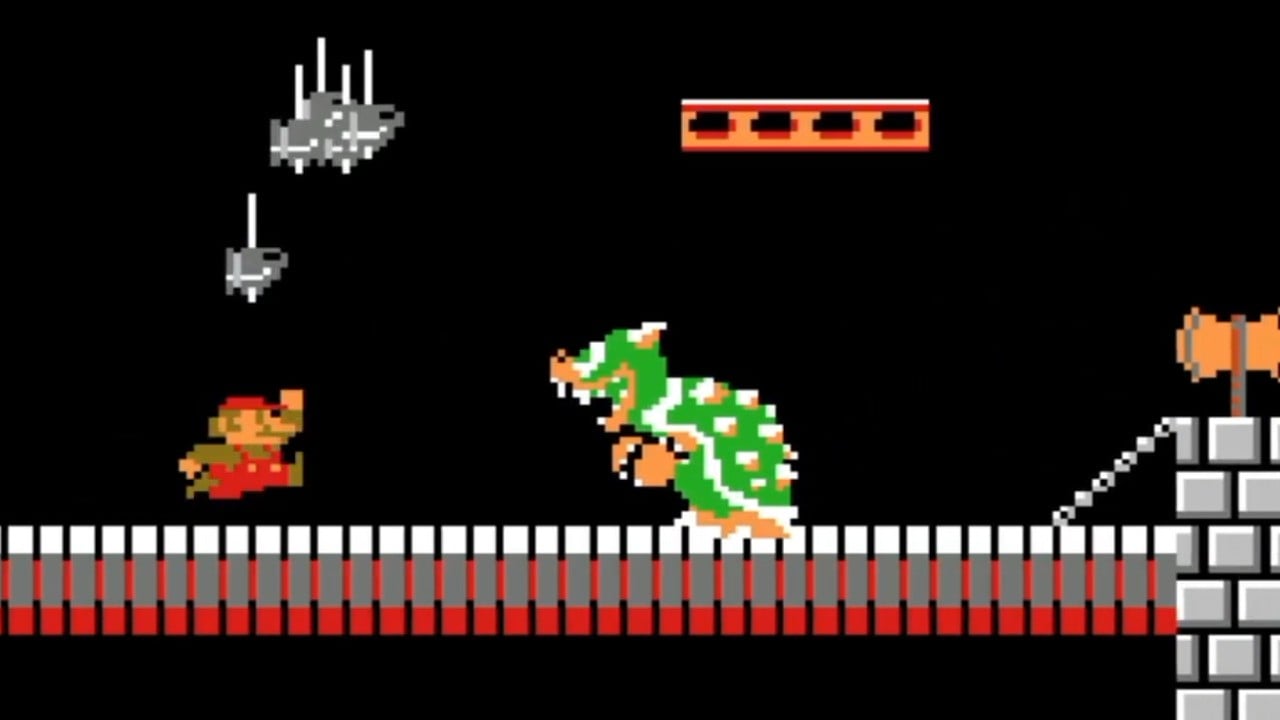
In the Denfaminicogamer interview, Miyamoto singled out one simple but influential mechanic from the game: instead of having Mario physically fight the final boss Bowser, the player must use timing and movement to clear obstacles and trigger Bowser's defeat.
Miyamoto explained that because Super Mario Bros. is fundamentally about moving to the right, he opted for a resolution that rewarded reaching the furthest right rather than direct confrontation.
He said he realized players could simply jump over Bowser — causing him to fall — and found that approach fun and satisfying when he tried it.
Miyamoto's reflection underlines his broader design philosophy: mechanics should arise naturally from how a game moves and feels.
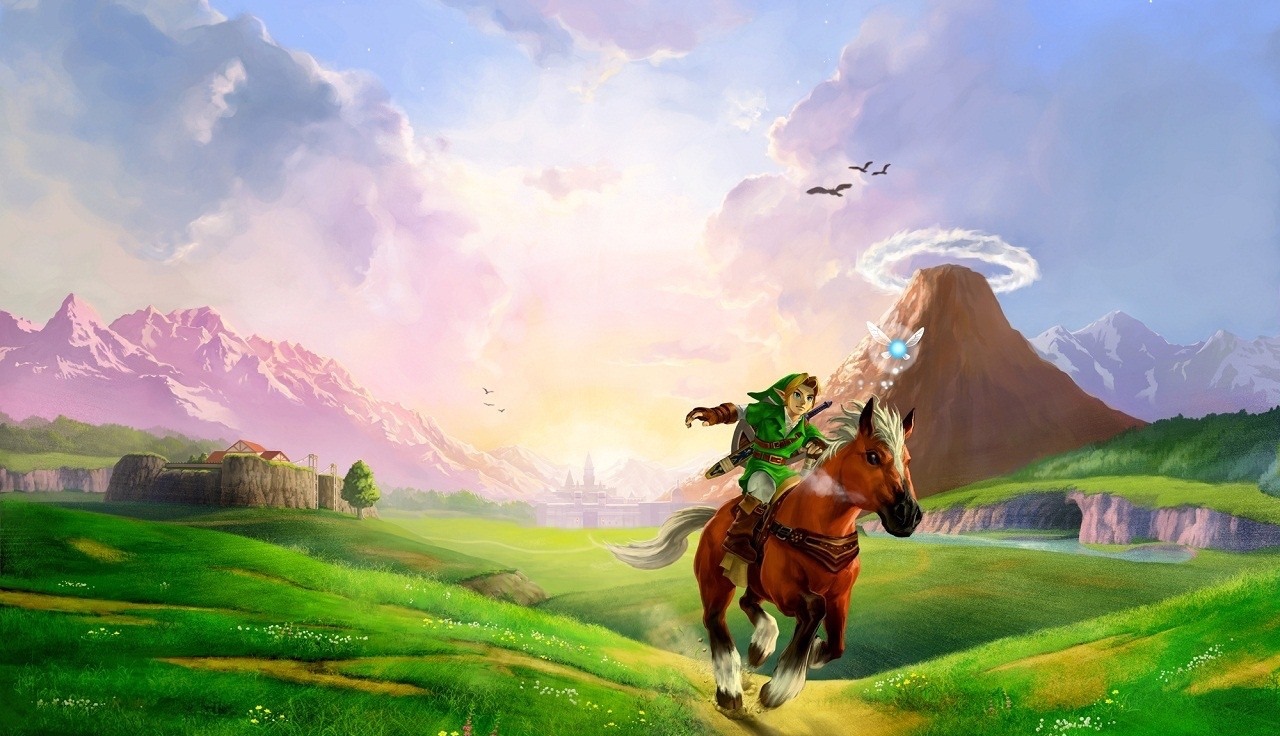
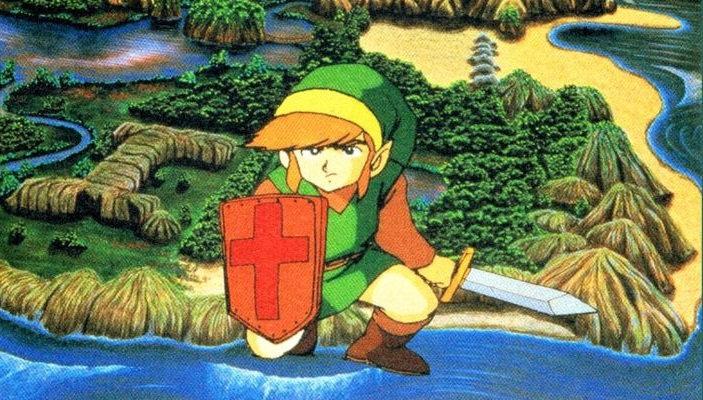
That philosophy informed not only Super Mario Bros. but also later landmark projects at Nintendo, including The Legend of Zelda series.
Miyamoto has been formally recognised in Japan before — he was named a Person of Cultural Merit in 2019 — and the Order of Culture will be presented at a ceremony on November 3, Japan's Culture Day, by Emperor Naruhito.
The award highlights Miyamoto's decades-long impact on games and culture.
His work helped Nintendo grow from an 8-bit console pioneer on the NES to a multi-generational platform holder whose franchises continue to reach players on modern hardware such as Nintendo Switch and through services including the Nintendo eShop and Nintendo Switch Online.
Titles he shepherded, and the teams he led at Nintendo, have produced some of the industry's most recognisable characters and enduring design patterns.
As Miyamoto accepts one of Japan's highest cultural honours, his comments about simple, elegant design choices in Super Mario Bros. offer a clear reminder: small mechanical decisions can have outsized effects on how games feel and how players remember them.