

In a wide-ranging feature published in Famitsu, veteran Nintendo designer Shigeru Miyamoto addressed the rising volume of video game remakes and defended their place in the industry.
Miyamoto — the designer behind landmark franchises such as Super Mario Bros. and The Legend of Zelda, who joined Nintendo in 1977 — framed remakes as a practical bridge between generations of players.
Famitsu, a long-running Japanese games magazine, carried the interview in its latest issue.
In his remarks, Miyamoto argued that many players move on from particular titles over time and that younger audiences often lack access to older releases.
Paraphrasing his view: Miyamoto told Famitsu that while some observers feel remakes are proliferating, revisiting and modernizing classic games gives newer players a chance to experience titles they otherwise might miss, and that reintroducing originals can spur future creative work.
Miyamoto’s perspective sits atop a broader pattern in Nintendo’s recent output.
The Nintendo Switch, released on March 3, 2017, has become the focal point for many remasters and re-releases, often promoted through Nintendo Direct presentations and distributed via the Nintendo eShop.
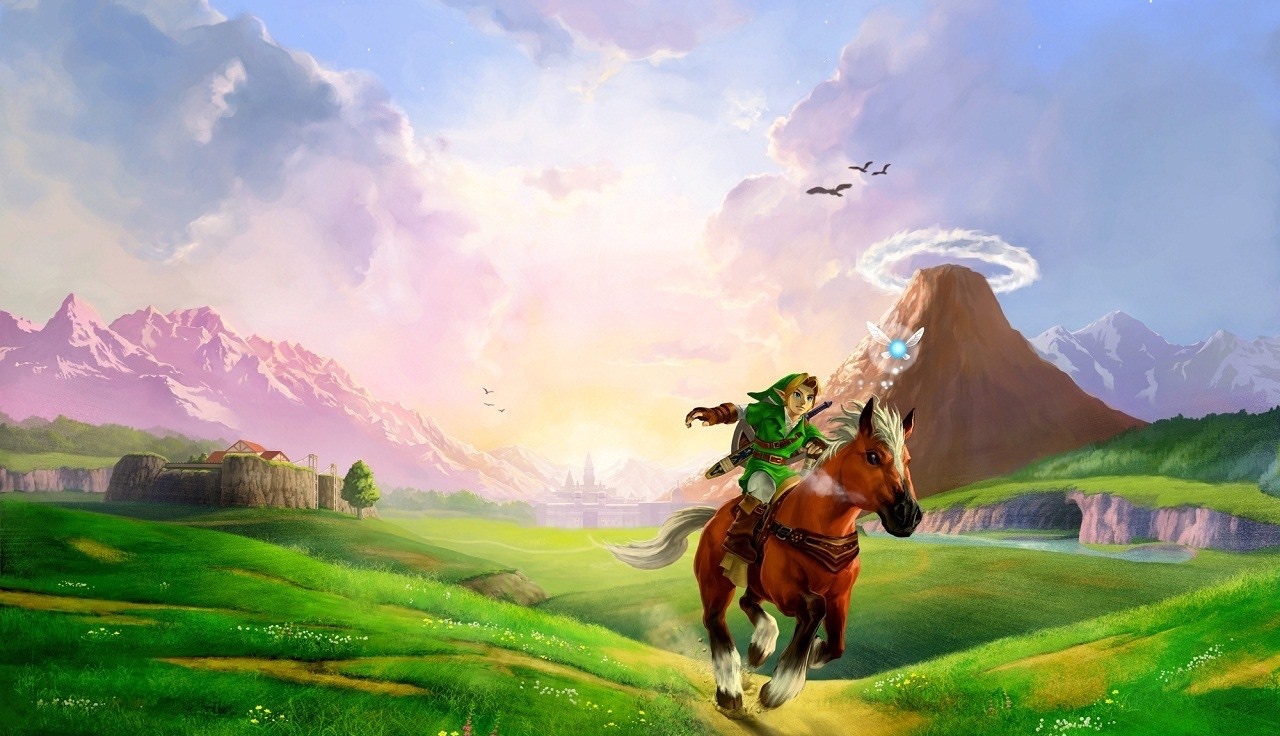
Nintendo has a documented history of updating older titles for new hardware — for example, The Legend of Zelda: Ocarina of Time originally launched on Nintendo 64 in 1998 and was later remade as Ocarina of Time 3D for the Nintendo 3DS in 2011.
From a development standpoint, remakes can preserve gameplay frameworks while allowing teams to overhaul visuals, control schemes, and accessibility.
Nintendo and other publishers have used remakes to ensure classic IP remains available across current platforms and digital storefronts, helping to reach players who did not own the original hardware.
Miyamoto’s comments underscore a deliberate strategy: remakes are not merely nostalgia-driven products but also serve as an introduction to franchise history for new audiences.
That approach aligns with Nintendo’s track record of supporting legacy content on modern systems, and it explains why remakes continue to be a notable part of the conversation whenever the company outlines release plans on Nintendo Direct or via eShop announcements.
For readers tracking Nintendo’s release strategy, Miyamoto’s Famitsu interview provides an inside look at why the company values reworking older games for contemporary players and how that practice connects to broader franchise stewardship and future development.
Miyamoto — the designer behind landmark franchises such as Super Mario Bros. and The Legend of Zelda, who joined Nintendo in 1977 — framed remakes as a practical bridge between generations of players.
Famitsu, a long-running Japanese games magazine, carried the interview in its latest issue.
In his remarks, Miyamoto argued that many players move on from particular titles over time and that younger audiences often lack access to older releases.
Paraphrasing his view: Miyamoto told Famitsu that while some observers feel remakes are proliferating, revisiting and modernizing classic games gives newer players a chance to experience titles they otherwise might miss, and that reintroducing originals can spur future creative work.
Miyamoto’s perspective sits atop a broader pattern in Nintendo’s recent output.
The Nintendo Switch, released on March 3, 2017, has become the focal point for many remasters and re-releases, often promoted through Nintendo Direct presentations and distributed via the Nintendo eShop.
Nintendo has a documented history of updating older titles for new hardware — for example, The Legend of Zelda: Ocarina of Time originally launched on Nintendo 64 in 1998 and was later remade as Ocarina of Time 3D for the Nintendo 3DS in 2011.
From a development standpoint, remakes can preserve gameplay frameworks while allowing teams to overhaul visuals, control schemes, and accessibility.
Nintendo and other publishers have used remakes to ensure classic IP remains available across current platforms and digital storefronts, helping to reach players who did not own the original hardware.
Miyamoto’s comments underscore a deliberate strategy: remakes are not merely nostalgia-driven products but also serve as an introduction to franchise history for new audiences.
That approach aligns with Nintendo’s track record of supporting legacy content on modern systems, and it explains why remakes continue to be a notable part of the conversation whenever the company outlines release plans on Nintendo Direct or via eShop announcements.
For readers tracking Nintendo’s release strategy, Miyamoto’s Famitsu interview provides an inside look at why the company values reworking older games for contemporary players and how that practice connects to broader franchise stewardship and future development.