Shigeru Miyamoto, the legendary Nintendo producer behind franchises such as Super Mario and The Legend of Zelda, recently reiterated a long-standing personal vision: using Miis as a lightweight, global form of personal identification.
Miyamoto framed the idea in the context of Nintendo’s longstanding focus on compact design, noting that Miis were created to be extremely memory-efficient and portable across Nintendo hardware and services.
Miis were introduced on the Wii in 2006 and have since appeared across multiple Nintendo platforms, including the Wii U, Nintendo 3DS family, and Nintendo Switch.
Nintendo has also integrated Mii-related functionality into games and services — for example, Mii Fighters have been a customizable roster option in the Super Smash Bros. series — and Nintendo Accounts provide a cross-service identity for players that links purchases, save data, and online activity across Switch, the eShop, and other Nintendo services.
In comments reported by media, Miyamoto observed that Western players tend to spend significant time crafting their Miis, and he welcomed the broader adoption of Mii creation beyond Nintendo’s traditional audience.
He explained that Miis were designed to be extremely compact: where a typical avatar might require several megabytes of storage, a Mii’s configuration can be encoded in only a few hundred bytes.
That compactness, Miyamoto noted, stemmed from an early Wii-era design goal of fitting dozens of avatars into limited controller memory, and it informs how Nintendo approaches efficiency across hardware and software.
Miyamoto also suggested a potential connection between Miis and account-level systems, saying it would be interesting if Mii characters could be linked to Nintendo Accounts and used more broadly than in isolated titles.
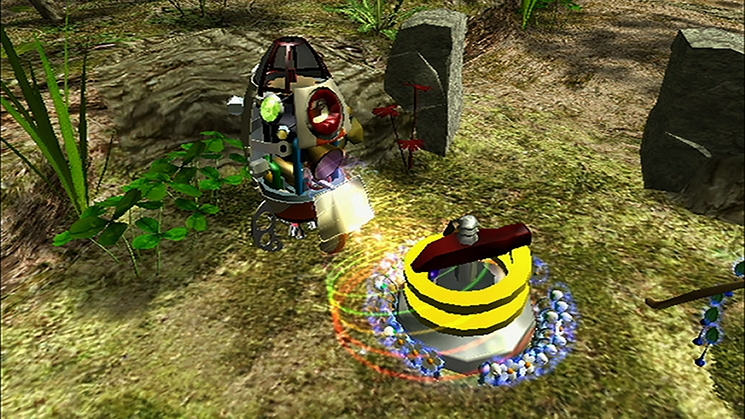
He cited Pikmin Bloom — the location-based mobile entry developed in collaboration with Niantic — as an example of a title that could incorporate avatar concepts, and he speculated about a future where Miis might be attached to personal IDs worldwide.
He framed the idea as playful rather than prescriptive, noting that it felt like an internal concept worth sharing with the public.
Miyamoto’s remarks underscore Nintendo’s long-running emphasis on simple, effective design that scales across hardware.
Whether or not Mii-based personal IDs become a reality, the discussion highlights how Nintendo continues to explore identity and personalization across its platforms, from the Wii’s introduction of Miis to the Nintendo Account ecosystem that ties together Switch and online services.
Miyamoto framed the idea in the context of Nintendo’s longstanding focus on compact design, noting that Miis were created to be extremely memory-efficient and portable across Nintendo hardware and services.
Miis were introduced on the Wii in 2006 and have since appeared across multiple Nintendo platforms, including the Wii U, Nintendo 3DS family, and Nintendo Switch.
Nintendo has also integrated Mii-related functionality into games and services — for example, Mii Fighters have been a customizable roster option in the Super Smash Bros. series — and Nintendo Accounts provide a cross-service identity for players that links purchases, save data, and online activity across Switch, the eShop, and other Nintendo services.
In comments reported by media, Miyamoto observed that Western players tend to spend significant time crafting their Miis, and he welcomed the broader adoption of Mii creation beyond Nintendo’s traditional audience.
He explained that Miis were designed to be extremely compact: where a typical avatar might require several megabytes of storage, a Mii’s configuration can be encoded in only a few hundred bytes.
That compactness, Miyamoto noted, stemmed from an early Wii-era design goal of fitting dozens of avatars into limited controller memory, and it informs how Nintendo approaches efficiency across hardware and software.
Miyamoto also suggested a potential connection between Miis and account-level systems, saying it would be interesting if Mii characters could be linked to Nintendo Accounts and used more broadly than in isolated titles.
He cited Pikmin Bloom — the location-based mobile entry developed in collaboration with Niantic — as an example of a title that could incorporate avatar concepts, and he speculated about a future where Miis might be attached to personal IDs worldwide.
He framed the idea as playful rather than prescriptive, noting that it felt like an internal concept worth sharing with the public.
Miyamoto’s remarks underscore Nintendo’s long-running emphasis on simple, effective design that scales across hardware.
Whether or not Mii-based personal IDs become a reality, the discussion highlights how Nintendo continues to explore identity and personalization across its platforms, from the Wii’s introduction of Miis to the Nintendo Account ecosystem that ties together Switch and online services.