
Introduction
Ratatan arrived on the scene after being featured in the Nintendo Indie World Showcase this past March, drawing immediate comparisons to the Patapon series and prompting many players to revisit Patapon 1 + 2 Replay on Nintendo Switch.
While Ratatan shares some design DNA with those earlier rhythm-based action games, it positions itself as a distinct, more experimental title on Nintendo Switch 2 that blends marching-band rhythm mechanics with roguelike customization.
Gameplay and design
At its core, Ratatan retains the central appeal of its spiritual predecessors: you command a growing battalion of Cobuns through rhythm-driven button inputs that control attacks, guards, jumps and formations.
In journalistic terms, the game opens like a musical command—an invitation to “strike up the band”—and asks players to translate beats into battlefield orders.
Visual prompts help new players learn combos, but the rhythm and musical cues remain the most reliable guide during chaotic encounters.
Where Ratatan departs from Patapon is in its approach to progression.
Instead of long cycles of equipment grinding, Ratatan emphasizes on-the-fly experimentation and loadout planning.
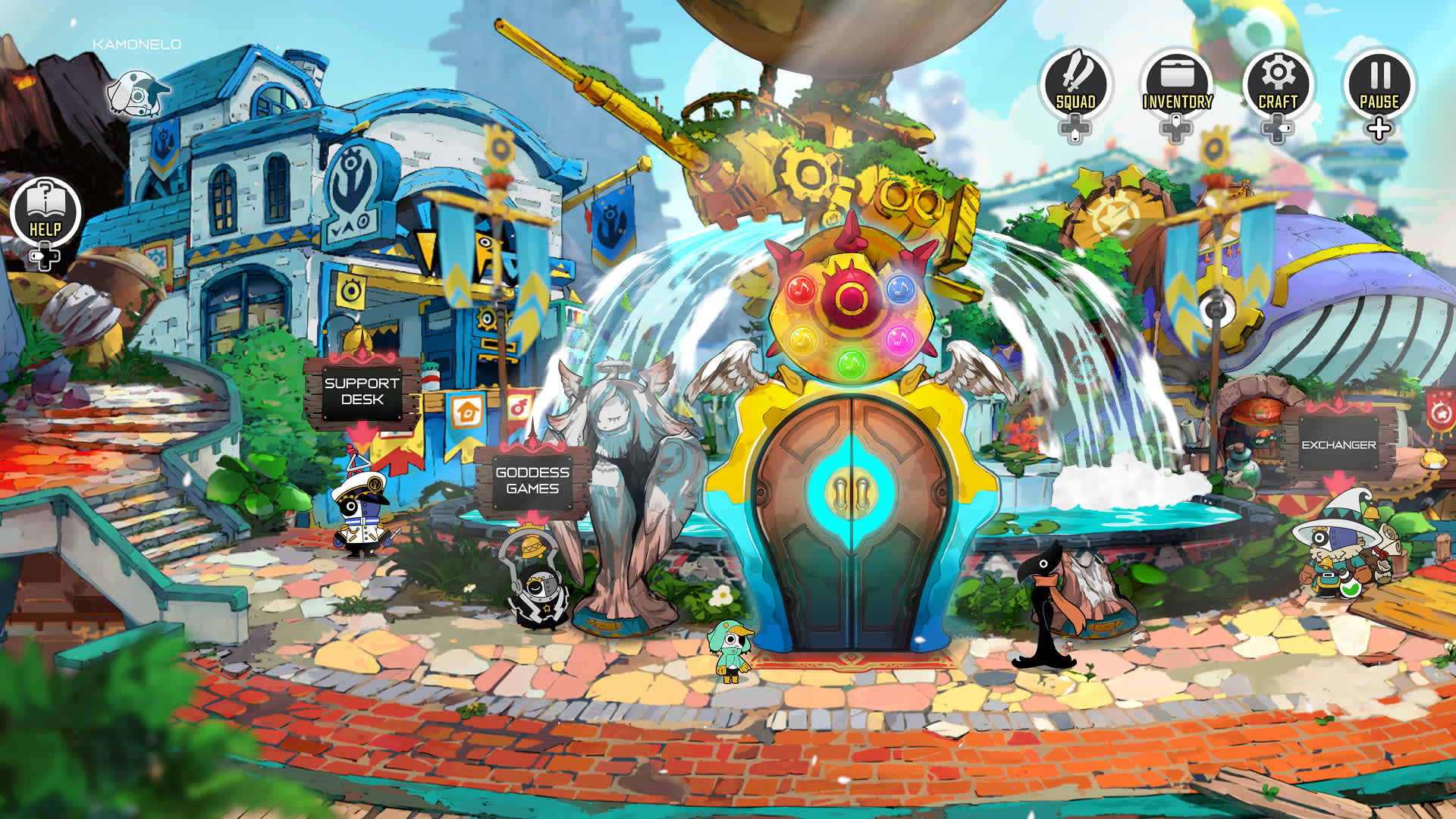
Between stages on the island hub Rataport, players can swap Ratatans with differing “ratatabilities,” choose attack and skill cards, and trade battlefield resources for upgrades.
Battlefield pickups and temporary power-ups further shape each run, pushing encounters toward strategic preparation rather than repetitive level farming.
Rhythm vs. roguelike balance
While the added customization gives players more tactical control, it also shifts the emphasis away from pure rhythmic mastery.
As a result, success often depends as much on pre-level setup and resource choices as it does on executing commands to the beat.
The review score assigned alongside this coverage rated the game a 7/10, noting that the roguelike systems make the experience more forgiving but sometimes less focused on rhythm-based challenge.
Performance and controls
Ratatan is visually vibrant and audibly bold, with a soundtrack built around its march-driven combat.
However, on Nintendo Switch 2 some players may encounter performance hitches during the most chaotic moments—an important consideration in a rhythm game where timing matters.
Controller input fidelity also varies: the Joy-Con in handheld mode felt more accurate in testing than a Pro Controller setup, and playing with headphones noticeably improves timing clarity.
Multiplayer and longevity
The game supports up to four-player co-op, but only through online matchmaking; local four-player co-op is not available.
Despite roguelike elements and a 15–20 hour estimated runtime for many players, some encounters can feel repetitive once mechanics are familiar.
Conclusion
Ratatan is a lively, uniquely styled entry on Nintendo Switch 2 that modernizes Patapon-like rhythm combat with deeper customization and roguelike systems.
It won’t replace the pure rhythmic focus of earlier titles for every player, but its color, sound, and experiment-driven runs make it a standout indie release—available physically and on game-on-card—worth watching for fans of rhythm-action games and Nintendo’s indie slate.


