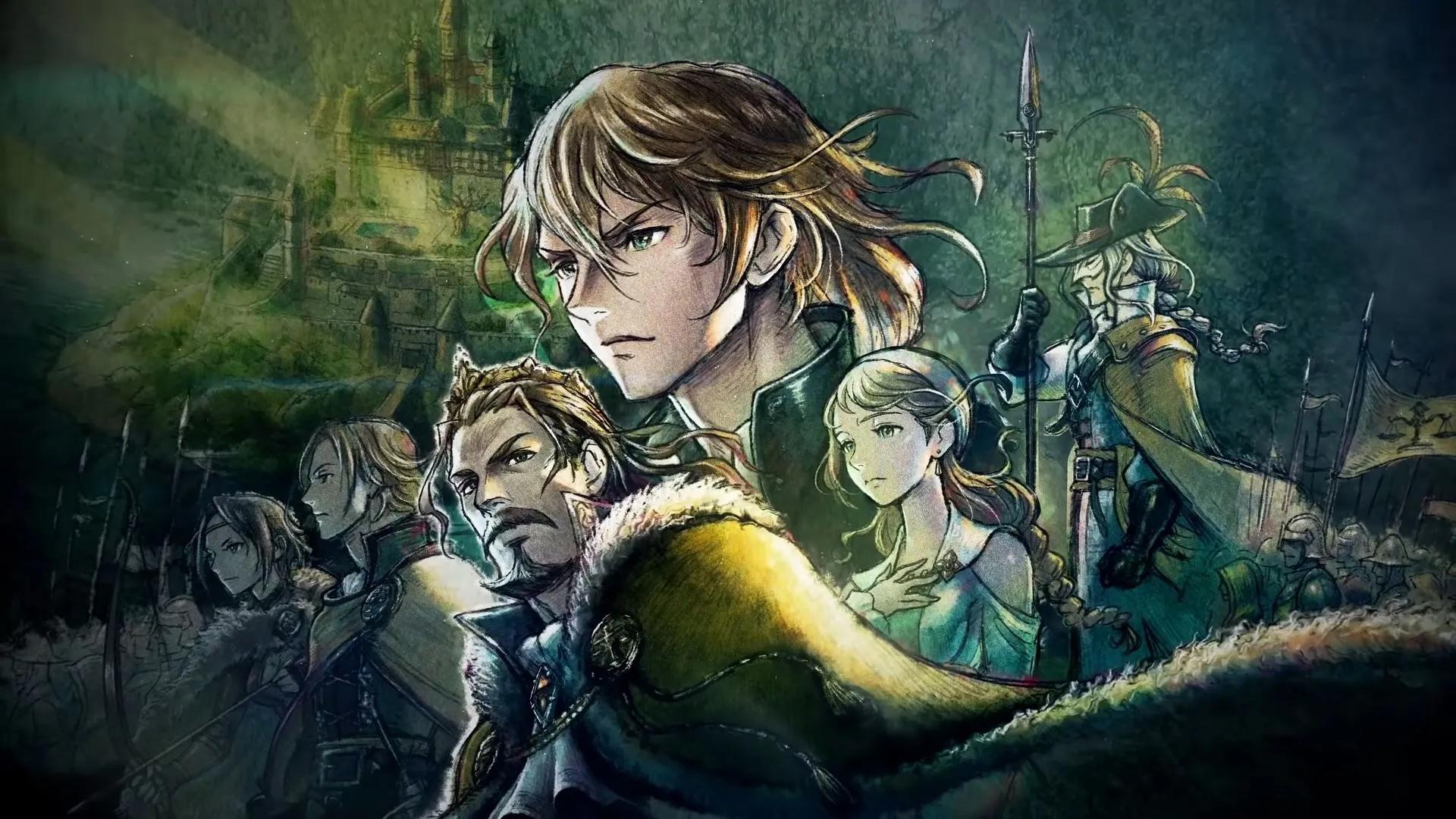
Final Fantasy Resonance arrives as part of Square Enix’s continuing embrace of HD-2D aesthetics and a renewed focus on classic, turn-based RPG design.
The title is presented as an HD-2D reimagining of the mobile game Final Fantasy Brave Exvius and positions itself deliberately alongside recent Square Enix projects that blend retro pixel art with modern rendering techniques.
The Final Fantasy franchise itself debuted on Nintendo’s Family Computer (Famicom) in December 1987 and has since evolved through multiple hardware generations and combat systems.
Context and development pedigree
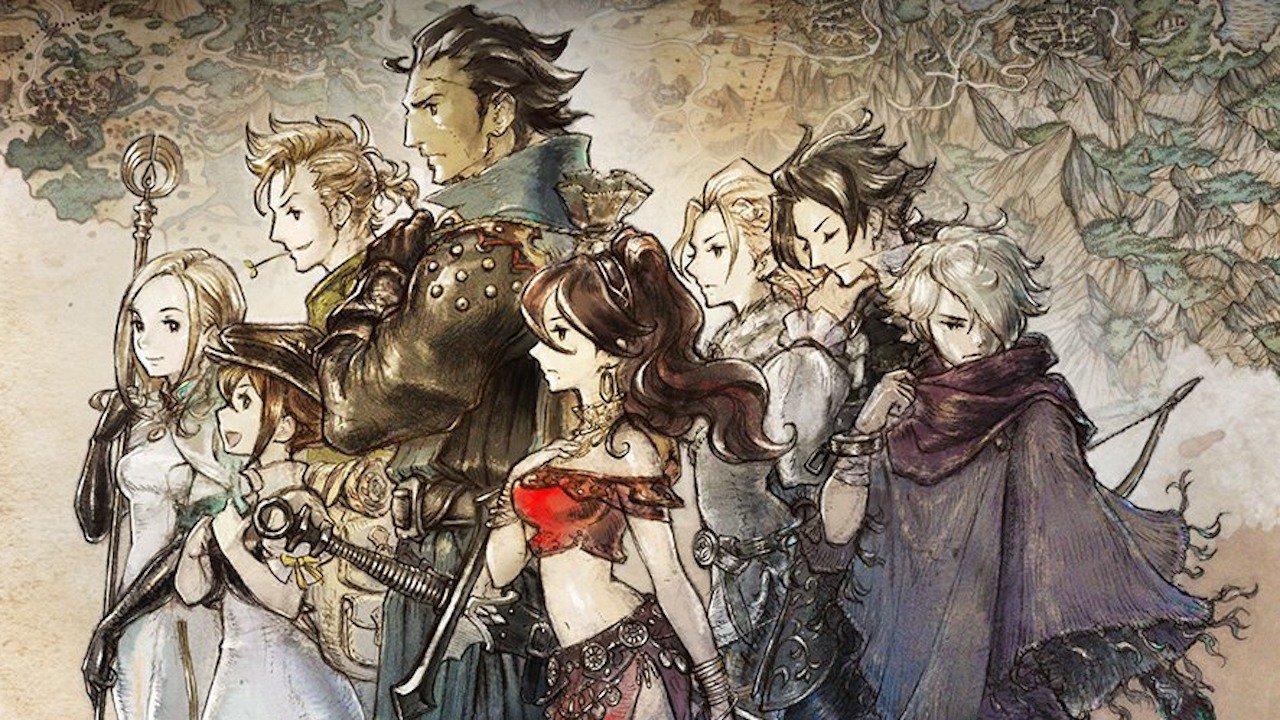
Square Enix’s HD-2D approach was popularized by Octopath Traveler (2018) and further applied in Triangle Strategy (2022).
Those projects demonstrated how classic 16-bit visual language can be combined with modern lighting, depth, and animation to produce a distinct retro-modern aesthetic.
Final Fantasy Resonance builds on that lineage and aims to translate the motifs and mechanics fans associate with earlier Final Fantasy entries into a single-player, narrative-driven package.
Paraphrased highlights from the review perspective
- On the series’ identity: The writer argues that Final Fantasy reaches its best expression when it embraces two-dimensional, turn-based design rather than fast-paced, real-time combat.
- On HD-2D fidelity: The author notes that HD-2D preserves classic enemy and character designs while surrounding them with modern lighting and subtle animation that enhance, rather than overwrite, the original visual identity.
- On tone and presentation: The review contends that Resonance captures the spirit of Squaresoft-era RPGs through a combination of pixel-first art, orchestral scoring, and modern voice performances.
Verified gameplay and structural details
Resonance is described as a full-length single-player RPG that removes the gacha mechanics of its mobile predecessor and reconstructs the story for a standalone experience.
The game uses traditional turn-based encounters augmented by a stagger gauge mechanic; exploiting enemy weaknesses reduces a stagger gauge and opens windows for high-damage follow-up attacks.
The title also features a Visions system—persistent spirit-like companions that enhance character roles and grant unique finishing moves, presented with cinematic sequences.
Assessment and audience
According to the original reviewer’s account, Resonance offers roughly 30–60 hours of playtime depending on how many side quests and postgame challenges a player pursues.
The piece frames the game as a faithful, modern homage to Final Fantasy’s 16-bit era that should appeal to fans of turn-based RPGs and admirers of Square Enix’s HD-2D work.
For readers tracking the evolution of the franchise and Square Enix’s visual strategy, Resonance represents a noteworthy application of HD-2D to core Final Fantasy themes and mechanics.