


Square Enix’s Final Fantasy Resonance adapts the mobile live‑service title Brave Exvius into a traditional console RPG, leaning into the HD‑2D visual language that has defined recent retro‑inspired projects.
Presented on Nintendo Switch, Resonance positions itself as a first‑party style HD‑2D Final Fantasy experience that prioritizes classic turn‑based systems, an overworld to explore, and a roster of Visions that trace back to the original mobile game’s gacha mechanics.
Context and positioning
Square Enix has previously translated mobile live services into fuller console experiences; the company describes Resonance as the first HD‑2D Final Fantasy title and frames the project as a reworking of Brave Exvius to better fit the structure of a classic Final Fantasy game.
The development approach intentionally restores many old‑school RPG abstractions—an overworld map, compact towns, discrete dungeons, and random encounters—while dressing those elements in detailed pixel art and modern rendering.
Gameplay and combat
Resonance runs on a turn‑based combat loop built around exploiting enemy weaknesses to stagger foes.
Battles reward tactical pressure: once enemies are staggered the party gains additional turns and can unleash one of four equipped Vision special attacks.
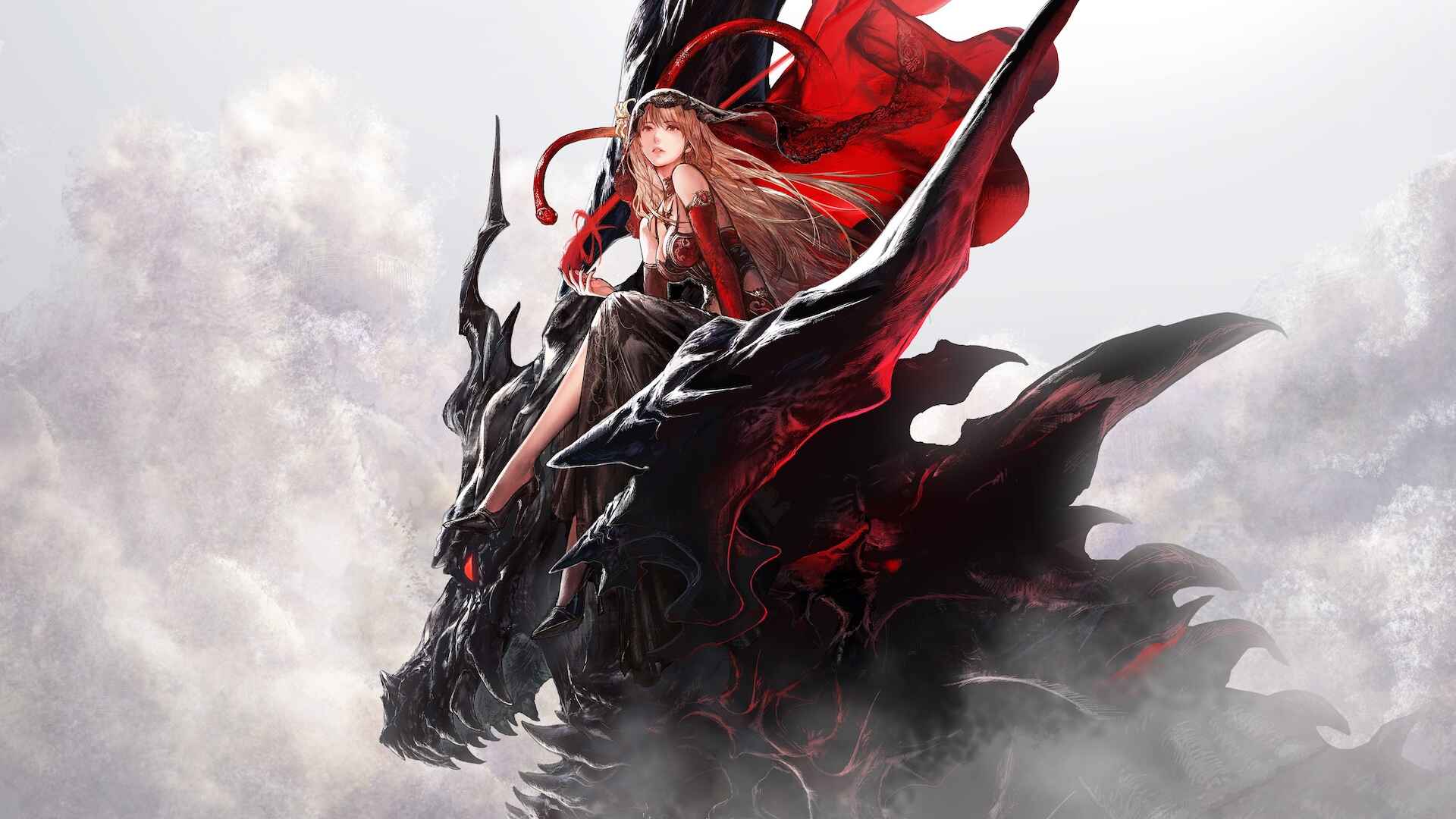
Visions themselves are the direct carry‑over from the original gacha model, functioning as equippable job modifiers that augment each character.
Each Vision levels from 1 to 9, granting permanent stat boosts, new abilities, or extra ability slots as it ranks up.
The game emphasizes party composition and character building.
Reviewers report that the enemy roster is deep and weakness variety is dense, keeping the combat loop engaging across many encounters.
Vision progression is paced so players regularly earn meaningful upgrades, and while full mastery of every Vision requires extended play or grinding, the system avoids rapid homogenization by limiting ability slots and AP.
Visuals and presentation
Resonance earns praise for its HD‑2D cinematography and consistent cutscenes.
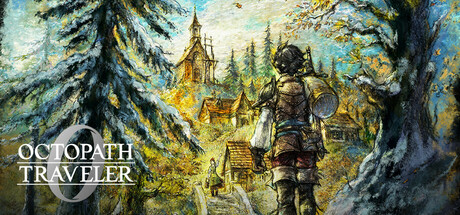
The game uses dynamic camera movement and expressive pixel animation to sell Shonen‑style action beats, and the combination of 2D sprites with layered 3D environments produces one of the more polished implementations of the HD‑2D style since Octopath Traveler.
Story and characters
Narratively, Resonance embraces familiar Final Fantasy tropes: a save‑the‑crystals framing, a likable if straightforward protagonist (Rain), and a cast of supporting characters who improve through side quests.
The writing leans toward predictable heroic themes—perseverance, bonds, and understanding—but notable character arcs (for example, Laswell’s search for identity and Fina’s split persona) provide genuine highlights.
Cameo Visions of classic Final Fantasy heroes appear across the world, though those cameos are primarily combat‑focused and voiced only in Japanese.
Pacing and difficulty
The title leans into a steeper difficulty curve in its back half.
Even on Normal, boss encounters demand optimized party setup and careful MP management.
Dungeon design favors quantity and visual variety, with many short, self‑contained areas that occasionally sacrifice depth for breadth.
Conclusion
Final Fantasy Resonance is a competent, visually impressive adaptation that modernizes classic turn‑based formulae for a new audience.
Its HD‑2D presentation and tactical combat are clear strengths; its story and dungeon depth are more conventional.
Version Tested: Nintendo Switch.
Review copy provided by Square Enix.
Score: 7/10.