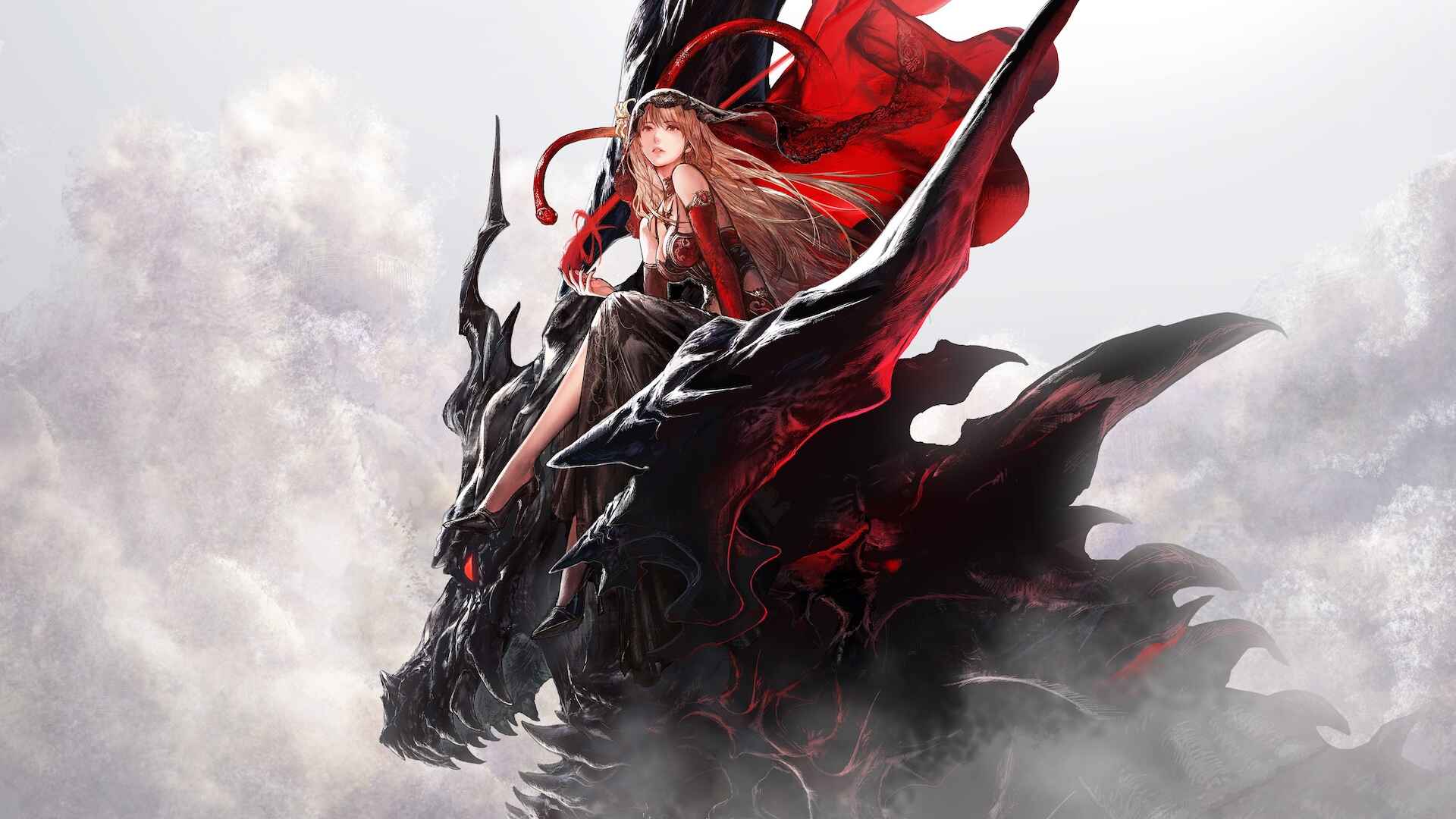
Final Fantasy Resonance launches on Nintendo Switch 2 on October 22, 2026, developed by Square Enix in collaboration with Lancarse and published by Square Enix.
Built from the first story arc of the mobile title Final Fantasy Brave Exvius, Resonance repackages that source material into a full console RPG featuring HD-2D visuals, fully voiced story scenes, cinematic summons, and a turn-based combat foundation designed for players who favor strategic party management.
The reviewer's central take was that Resonance succeeds in delivering the classic, methodical Final Fantasy experience many long-time fans have been seeking.
That perspective arises from the game’s emphasis on careful resource management, turn order planning, elemental exploitation, and party construction—mechanics familiar to fans of earlier entries in the series.
Story and characters
The game opens by placing players in control of Rain and his adopted brother Lasswell, knights of Grandshelt who pursue a mysterious group known as the Sworn Six.
Summoner Fina joins the pair early in the campaign, and familiar Brave Exvius characters such as Lid and Nichol appear as the narrative progresses.
Resonance restructures Brave Exvius’s mobile episodes into a coherent console storyline while expanding character presentation with voiced dialogue and cinematic sequences.
Combat and systems
Resonance uses a timeline-based turn system that displays upcoming actions for both allies and enemies.
Stagger mechanics interrupt enemy turns and grant bonus attack windows, encouraging players to exploit elemental and physical weaknesses.
The Vision system—memories of heroes stored in crystals—lets characters equip and level secondary ability sets that unlock via Mastery and AP, and Visions can be upgraded through exploration rewards.
Espers remain part of combat as powerful summonable entities that act independently for several turns.
Exploration, accessibility, presentation
Exploration is rewarded with treasure, rare Vision crystals, and challenge monsters; mastery and item drops create a feedback loop between fieldwork and battle progression.
Difficulty options allow players to tailor resistance without stripping core RPG systems.
Graphically, Resonance’s HD-2D presentation blends pixel-art characters with modern lighting and CG sequences, and the soundtrack mixes new compositions with series callbacks—most notably a rendition of “Battle on the Big Bridge.”
Final Fantasy Resonance is a deliberate adaptation of mobile content into a console RPG, offering a nostalgia-forward design that emphasizes strategic turn-based combat, party customization, and presentation suited to the Nintendo Switch 2.
Final Fantasy Resonance copy provided by the publisher for the purposes of this review.