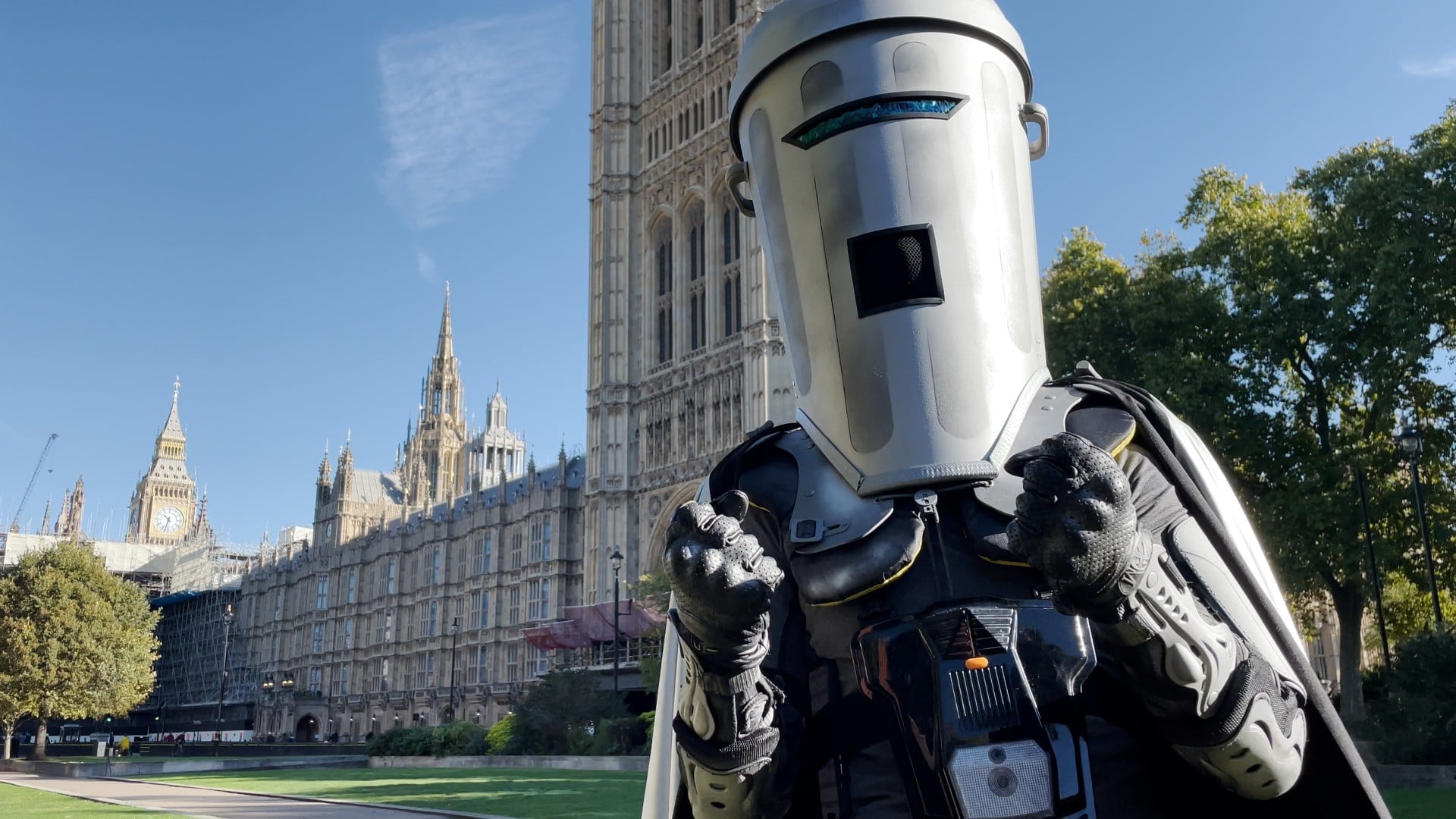
A self-styled satirical political candidate known as Count Binface has publicly appealed to Sega to revive its once-prominent London arcade attraction and to greenlight another entry in Yu Suzuki’s cult Shenmue series.
The request puts a spotlight on Sega’s legacy brands — from Sonic the Hedgehog to the Dreamcast-era Shenmue games — and revives conversation about physical arcade spaces such as SegaWorld London at the Trocadero.
SegaWorld London opened during the 1990s as a high-profile arcade and theme attraction in London’s Trocadero complex before closing in 1999.
Count Binface, the stage persona of British writer Jonathan David Harvey, used a recent video message to argue for a restoration of that venue and for renewed support for Sega franchises.
In his remarks, Count Binface urged Sega to act quickly on fan demands for another Shenmue entry, saying essentially that Sega should prioritize and approve work on a new Shenmue project without delay.
He also expressed a desire to see SegaWorld rejuvenated and for Sonic the Hedgehog to be restored to a prominent cultural position, framing both as part of the company’s heritage that deserves attention.
These appeals reference franchises with well-documented histories.
Sonic the Hedgehog debuted in 1991 on Sega’s Genesis/Mega Drive and has since become the company’s flagship franchise, appearing on platforms from Sega hardware to modern consoles including releases on Nintendo Switch such as Sonic Mania (2017) and Sonic Frontiers (2022).
The Shenmue franchise began with Shenmue (1999) on the Dreamcast, followed by Shenmue II (2001).
The series’ revival in recent years culminated with Shenmue III, which was crowdfunded and released in 2019 for PlayStation 4 and PC.
Count Binface’s public appeal is notable not for its policy credentials but for highlighting persistent fan interest in legacy Sega properties and physical gaming spaces.
Whether Sega responds to calls to restore SegaWorld London or to officially sanction another numbered Shenmue entry remains a matter for the company.
For now, the comments add to ongoing public discussion about how legacy publishers manage iconic IP across modern platforms, digital storefronts such as the eShop, and live attractions.
The request puts a spotlight on Sega’s legacy brands — from Sonic the Hedgehog to the Dreamcast-era Shenmue games — and revives conversation about physical arcade spaces such as SegaWorld London at the Trocadero.
SegaWorld London opened during the 1990s as a high-profile arcade and theme attraction in London’s Trocadero complex before closing in 1999.
Count Binface, the stage persona of British writer Jonathan David Harvey, used a recent video message to argue for a restoration of that venue and for renewed support for Sega franchises.
In his remarks, Count Binface urged Sega to act quickly on fan demands for another Shenmue entry, saying essentially that Sega should prioritize and approve work on a new Shenmue project without delay.
He also expressed a desire to see SegaWorld rejuvenated and for Sonic the Hedgehog to be restored to a prominent cultural position, framing both as part of the company’s heritage that deserves attention.
These appeals reference franchises with well-documented histories.
Sonic the Hedgehog debuted in 1991 on Sega’s Genesis/Mega Drive and has since become the company’s flagship franchise, appearing on platforms from Sega hardware to modern consoles including releases on Nintendo Switch such as Sonic Mania (2017) and Sonic Frontiers (2022).
The Shenmue franchise began with Shenmue (1999) on the Dreamcast, followed by Shenmue II (2001).
The series’ revival in recent years culminated with Shenmue III, which was crowdfunded and released in 2019 for PlayStation 4 and PC.
Count Binface’s public appeal is notable not for its policy credentials but for highlighting persistent fan interest in legacy Sega properties and physical gaming spaces.
Whether Sega responds to calls to restore SegaWorld London or to officially sanction another numbered Shenmue entry remains a matter for the company.
For now, the comments add to ongoing public discussion about how legacy publishers manage iconic IP across modern platforms, digital storefronts such as the eShop, and live attractions.