Background
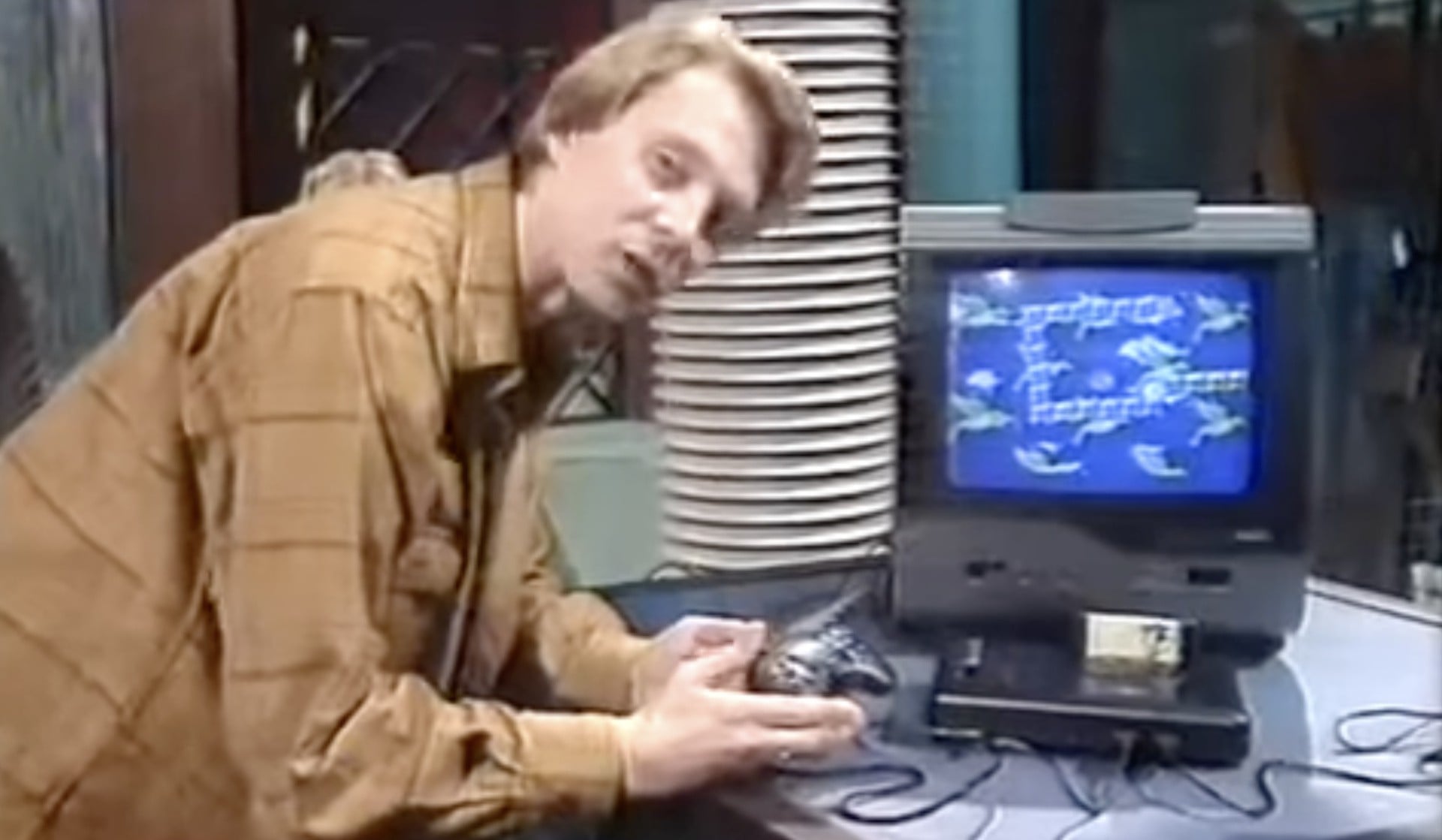
The Scorpion XVI is a mid-1990s Mega Drive clone that briefly entered UK popular culture after being featured on the CITV video games show Bad Influence! in December 1994 (Series 3, episode 13).
The unit, shown by host Andy Crane, presented itself as an affordable, region-flexible alternative to Sega hardware and later attracted attention from collectors, retro YouTubers and local press.
What the television segment and subsequent research revealed
On air, Bad Influence! framed the Scorpion XVI as a domestically distributed console, with the presenter noting it appeared to be sold through a British company.
The segment highlighted user-configurable switches on the console that allowed players to run cartridges from multiple regions, a selling point that distinguished many clones of the period.
More systematic investigation followed years later.
In 2021, retro-focused creator Nostalgia Nerd traced the Scorpion XVI to a Taiwanese reference board sold as the KW501 and documented the device as a rebadged Mega Drive clone.
His coverage included interviews with former Bad Influence! presenters Violet Berlin and Steve Keen and confirmed the technical lineage of the hardware.
Archival reporting identifies Interactive Enterprises and its founders
Newspaper archives accessed by retro outlets turned up a Nottingham Evening Post business story dated March 13, 1995, which identified the UK distributor as Interactive Enterprises and named the founders as Stephen and Sue Churchill.
The article reports that the Churchills had moved to Cotgrave in Nottinghamshire after operating a video games and console business in South Africa.
The piece says Stephen Churchill cited a violent robbery in Johannesburg as a reason for relocating.
According to the Evening Post, Interactive Enterprises assembled, packed and distributed computer-game hardware to roughly 450 retail customers from a 2,000 sq ft warehouse in Cotgrave.
The company reportedly sold multiple clone products, including a Famicom-style unit marketed as the Scorpion 8, and mentioned plans to develop handheld and SNES-style compatible systems.
Trading Standards intervention and outcome
Sega lodged a complaint with UK Trading Standards, suspecting counterfeit activity.
Officers raided the Cotgrave warehouse and temporarily seized stock, but the inventory was returned after inspectors determined the devices were not counterfeit but instead “compatible” with Sega and Nintendo platforms.
Stephen Churchill told the paper the business was demonstrating that compatibility could be a legitimate form of trading and signaled ambitions to expand into arcade hardware.
What remains unresolved
Public records and later reporting provide few details about Interactive Enterprises' subsequent fate.
Beyond the Nottingham Evening Post profile and retrospective coverage by video historians, there is limited public information on how long the business continued or how widely the Scorpion line circulated after 1995.
The Scorpion XVI endures as a documented example of 1990s console cloning, distribution disputes with platform holders, and the small-scale businesses that supplied independent retailers in the pre-digital era.
The Scorpion XVI is a mid-1990s Mega Drive clone that briefly entered UK popular culture after being featured on the CITV video games show Bad Influence! in December 1994 (Series 3, episode 13).
The unit, shown by host Andy Crane, presented itself as an affordable, region-flexible alternative to Sega hardware and later attracted attention from collectors, retro YouTubers and local press.
What the television segment and subsequent research revealed
On air, Bad Influence! framed the Scorpion XVI as a domestically distributed console, with the presenter noting it appeared to be sold through a British company.
The segment highlighted user-configurable switches on the console that allowed players to run cartridges from multiple regions, a selling point that distinguished many clones of the period.
More systematic investigation followed years later.
In 2021, retro-focused creator Nostalgia Nerd traced the Scorpion XVI to a Taiwanese reference board sold as the KW501 and documented the device as a rebadged Mega Drive clone.
His coverage included interviews with former Bad Influence! presenters Violet Berlin and Steve Keen and confirmed the technical lineage of the hardware.
Archival reporting identifies Interactive Enterprises and its founders
Newspaper archives accessed by retro outlets turned up a Nottingham Evening Post business story dated March 13, 1995, which identified the UK distributor as Interactive Enterprises and named the founders as Stephen and Sue Churchill.
The article reports that the Churchills had moved to Cotgrave in Nottinghamshire after operating a video games and console business in South Africa.
The piece says Stephen Churchill cited a violent robbery in Johannesburg as a reason for relocating.
According to the Evening Post, Interactive Enterprises assembled, packed and distributed computer-game hardware to roughly 450 retail customers from a 2,000 sq ft warehouse in Cotgrave.
The company reportedly sold multiple clone products, including a Famicom-style unit marketed as the Scorpion 8, and mentioned plans to develop handheld and SNES-style compatible systems.
Trading Standards intervention and outcome
Sega lodged a complaint with UK Trading Standards, suspecting counterfeit activity.
Officers raided the Cotgrave warehouse and temporarily seized stock, but the inventory was returned after inspectors determined the devices were not counterfeit but instead “compatible” with Sega and Nintendo platforms.
Stephen Churchill told the paper the business was demonstrating that compatibility could be a legitimate form of trading and signaled ambitions to expand into arcade hardware.
What remains unresolved
Public records and later reporting provide few details about Interactive Enterprises' subsequent fate.
Beyond the Nottingham Evening Post profile and retrospective coverage by video historians, there is limited public information on how long the business continued or how widely the Scorpion line circulated after 1995.
The Scorpion XVI endures as a documented example of 1990s console cloning, distribution disputes with platform holders, and the small-scale businesses that supplied independent retailers in the pre-digital era.