


Nintendo has provided a detailed look at the visual philosophy behind the remake of The Legend of Zelda: Ocarina of Time for Nintendo Switch 2, speaking with director HokWai Ng, art director Aya Shida, program director Hiroki Taguchi, series producer Eiji Aonuma, and producer Hidemaro Fujibayashi.
The remake reimagines the iconic 1998 Nintendo 64 adventure while aiming to retain the original’s atmosphere and character identity.
According to the development team, the project prioritized an art direction that blends realism with a handcrafted, nostalgic sensibility.
Art director Aya Shida said the team leveraged the capabilities of Nintendo Switch 2 to create a richly detailed Hyrule, but intentionally avoided photorealism.
Instead, they pursued a “puppet-show” and “practical effects” aesthetic—forms that don’t replicate reality exactly yet convincingly suggest characters and environments exist within their fantasy world.
The team paired character sketches with a highly detailed 3D model of the Great Deku Tree to demonstrate how protagonists should inhabit that space.
Eiji Aonuma reflected on the contrast between the original development era and the current effort, noting that the new team’s nostalgic reading of the 1998 game naturally led to this analog, tactile presentation.
The developers emphasized that redesigning beloved characters required careful restraint: modern visuals had to preserve each character’s silhouette and personality so players would still recognize them after nearly three decades.
Fujibayashi pointed out that exaggerated movements used on Nintendo 64 to convey character distinctiveness would not translate directly to higher-fidelity models without appearing unsettling.
The art team therefore researched fabrics, textures, and even handcrafted materials to make clothing—such as Young Link’s tunic—feel authentic to in-world makers rather than machine-produced garments.
From a technical perspective, Taguchi described a layered implementation approach that brought subtle environmental details to life, from character behaviors to how grass reacts in the overworld.
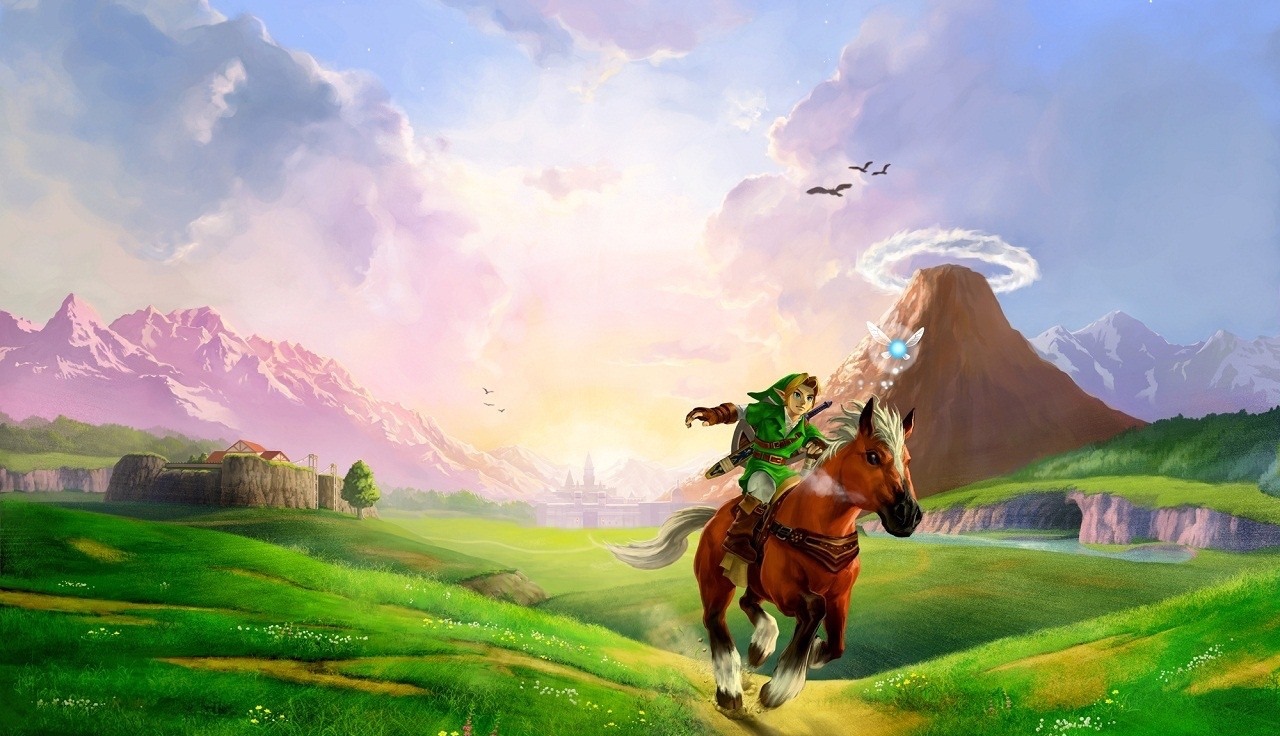
Ng and the team confirmed they kept the original game’s area structure—separate maps rather than a single seamless world—to preserve pacing and the sense of discovery between locations like Kokiri Forest and Hyrule Field.
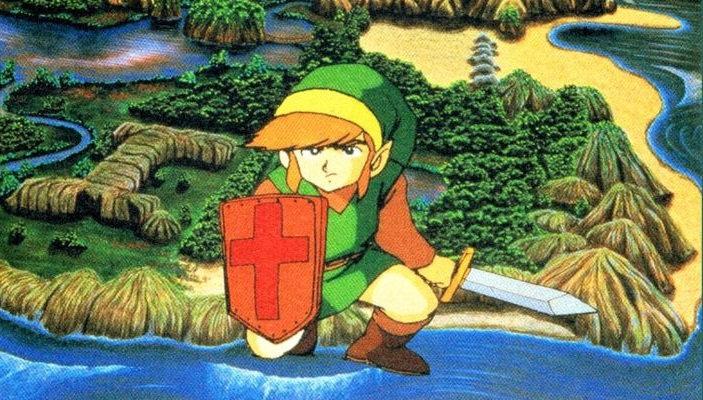
The project also commissioned a new map illustration from the original Nintendo 64 artist to bridge the old and new presentations.
This account offers a rare, developer-led explanation of how the remake balances nostalgia, technical advancement, and design decisions to rebuild Ocarina of Time for modern hardware while maintaining the franchise’s hallmark charm.


