
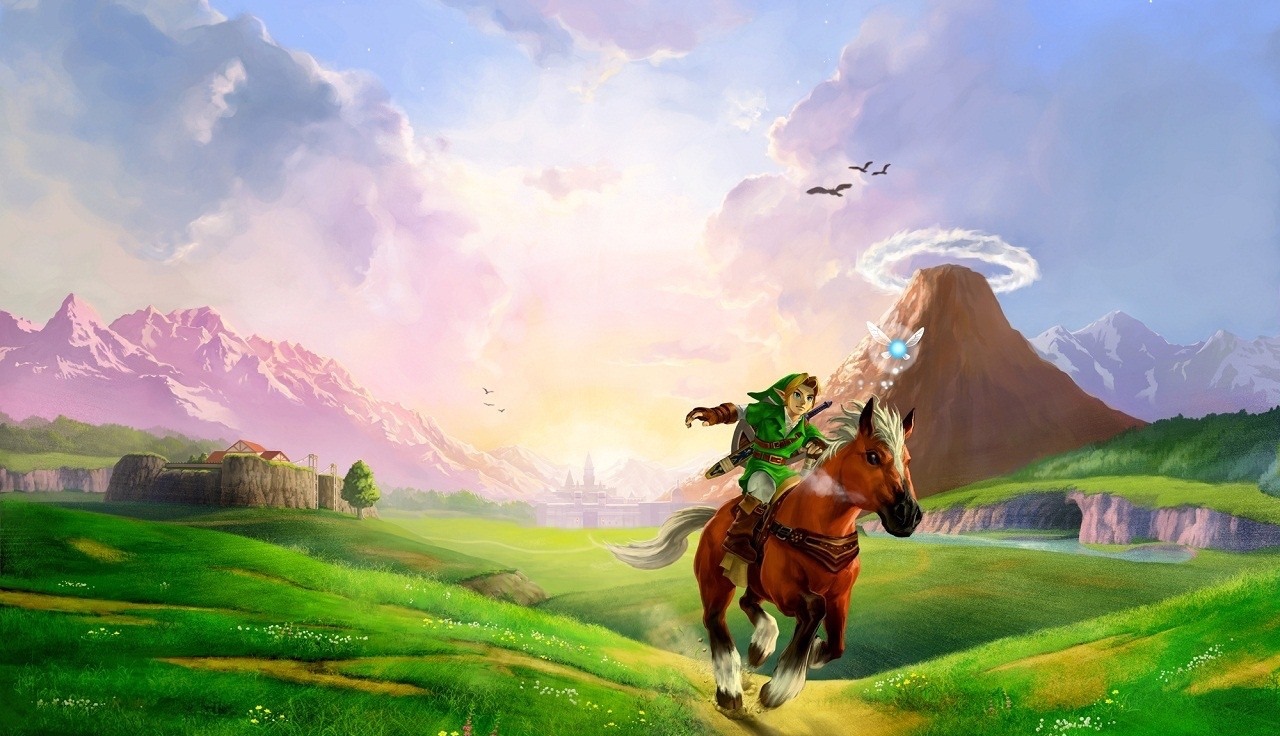

Nintendo has confirmed that The Legend of Zelda: Ocarina of Time receives a full remake for Nintendo Switch 2, a move the company frames as both a celebration of the franchise and a deliberate studio exercise.
The release arrives during the series' 40th anniversary year and launches Thursday, November 5.
Eiji Aonuma, the long-time series producer, outlined the motivations behind the project in a recent interview.
Background and legacy
Ocarina of Time originally debuted on Nintendo 64 in 1998 and was later remade for the Nintendo 3DS in 2011.
That 3DS version preserved much of the original presentation; the new Nintendo Switch 2 remake is positioned as a fuller rebuild aimed at modern hardware and modern development teams.
Nintendo also released a What’s New trailer ahead of launch to showcase the remake’s visuals and design approach.
Why remake Ocarina of Time now
Aonuma explained that the timing is tied to both anniversary celebration and internal development priorities.
He said many current Zelda team members have only worked on more recent titles, prompting questions about whether they fully appreciate Ocarina of Time's influence on the series.
By reconstructing the game from the ground up, Aonuma believes the studio can teach newer developers the original game’s structure and design philosophies, generating insights that could inform future Legend of Zelda projects.
Aonuma added that the remake is also an opportunity to reintroduce traditional, carefully paced Zelda gameplay to players who came into the series with Breath of the Wild and its open-world structure.
He noted that Ocarina of Time’s design rewards a scripted progression of story and player growth, an experience Nintendo wants more players to encounter alongside the freedom offered in recent entries.
Distribution and promotion
Nintendo's promotional push for the remake included the What’s New trailer and standard channels the company uses to reach players, such as Nintendo Direct presentations and the Nintendo eShop storefront.
The studio has framed the project as both a tribute to a landmark title and a practical development tool for the franchise team.
With the November 5 launch on Nintendo Switch 2, the remake returns one of gaming’s most influential titles to modern hardware while explicitly linking heritage preservation with ongoing creative development at Nintendo.


