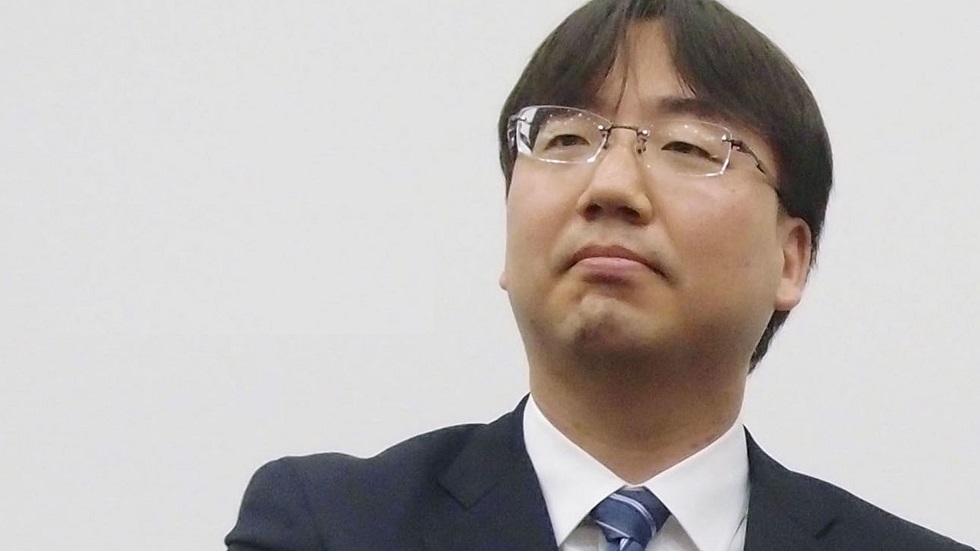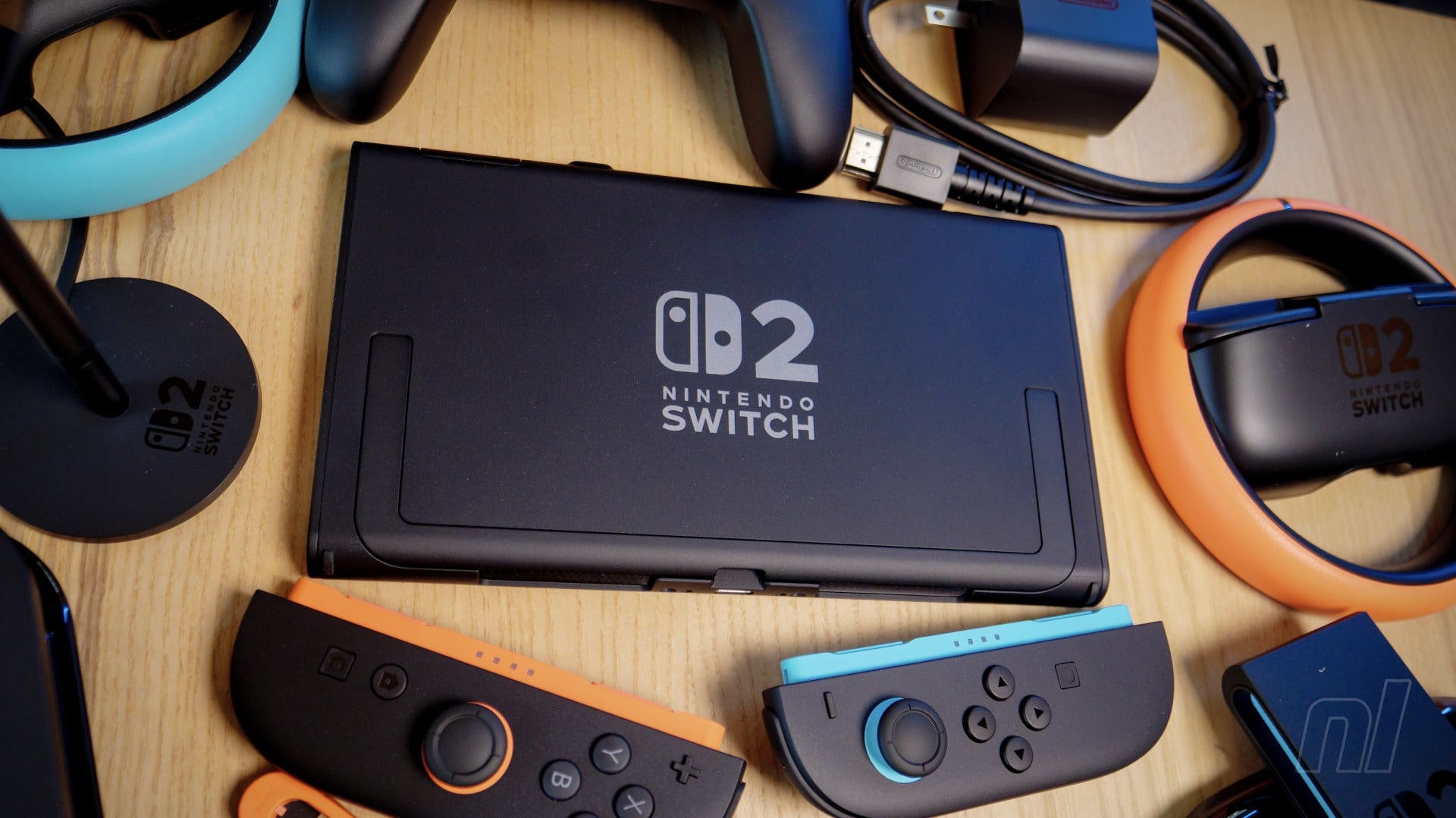
Nintendo has provided new insights into the challenges the company faces as memory costs rise throughout the tech industry, with direct implications for its anticipated next-generation console, the Nintendo Switch 2. Company president Shuntaro Furukawa addressed these concerns and shared key updates regarding overall hardware sales during a recent financial results briefing, offering a transparent look at the strategic considerations guiding Nintendo’s hardware roadmap.
Over the past year, memory prices have been driven upward due to intense demand from rapidly expanding artificial intelligence data centers. This global shortage is influencing manufacturing costs for numerous sectors, including video games. For Nintendo, the immediate impact on its hardware profitability remains limited, but the longer-term picture may pose new challenges.
During the Q&A session, Furukawa clarified, "We don’t disclose detailed information about individual components, but regarding memory-related parts, we are actively working with our suppliers to ensure a stable long-term supply. As a result, the recent spike in memory prices hasn’t notably affected our hardware profitability during the cumulative third-quarter period, and we do not predict a significant effect in the fourth quarter either. However, if this trend of rising component prices extends into the next fiscal year or beyond, margins could be affected, and we’ll need to respond appropriately based on market trends."
Furukawa also commented on potential price adjustments for the Nintendo Switch 2, stating that, "No decisions have been made yet regarding changes to the Switch 2 hardware price. These decisions will consider several factors, including profitability, platform adoption, sales patterns, and overall market conditions."
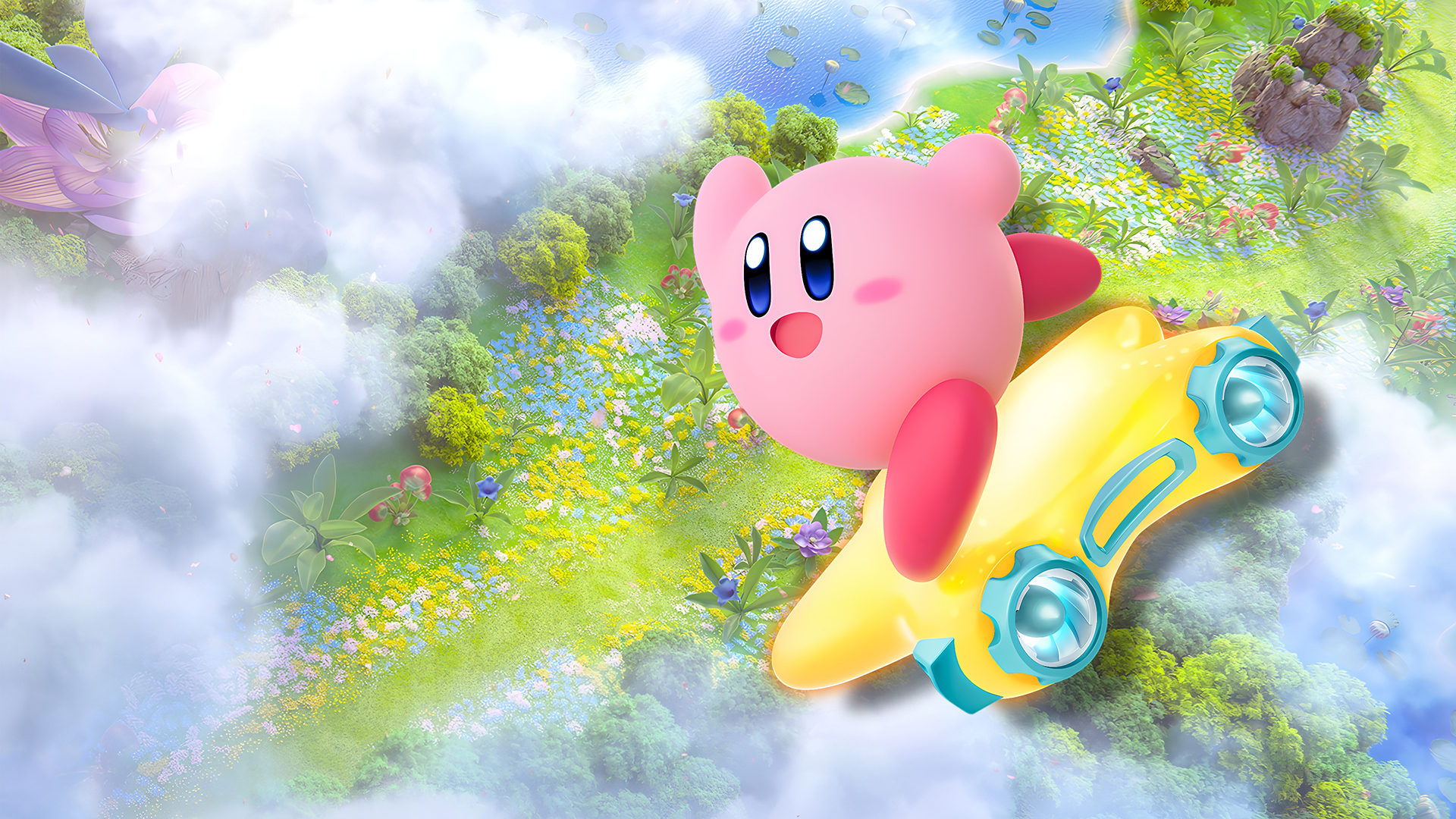
Turning to global hardware performance, Furukawa elaborated on how recent sales trends are shaping Nintendo’s outlook across different regions. The company’s overall forecast for hardware and software sales volumes has remained stable, but internal assumptions have shifted since the second-quarter financial update. He explained, "Hardware sales in Japan outperformed our expectations, while international sales were somewhat weaker than projected. In Japan, the strong momentum of the Switch 2 launch, bolstered by the holiday releases of titles like 'Pokemon Legends: Z-A – Nintendo Switch 2 Edition' and 'Kirby Air Riders,' led to more existing Switch owners upgrading to the new system compared to overseas markets."
Since the Nintendo Switch launched in 2017, the platform has enjoyed record-breaking sales, becoming one of Nintendo’s best-selling consoles. The Switch 2, anticipated to build on this legacy, will need to navigate both supply chain pressures and shifting market dynamics as the industry adapts to broader economic trends.
Nintendo continues to monitor both component markets and regional sales performance closely, aiming to maintain balance between profitability, accessibility, and engaging software releases on platforms such as the Nintendo Switch 2 and the Nintendo eShop. These efforts underscore the company's commitment to delivering innovation and value, even as global pressures reshape the gaming hardware landscape.
Nintendo Switch 2 Faces Memory Cost Challenges: Shuntaro Furukawa Discusses Impact on Console Pricing and Sales
Nintendo News Hub
Game Pages Mentioned In This Article
Use these Nintendo Switch game pages to keep exploring the titles connected to this story, including related genres, developers, screenshots, and more coverage.
Related Topics
Explore more articles about these topics:
Source: NintendoEverything