Nintendo veteran Shigeru Miyamoto has reiterated the companys cautious but open stance on creating new characters, telling a recent Famitsu interview that fresh IP remains important while global viability must guide decisions.
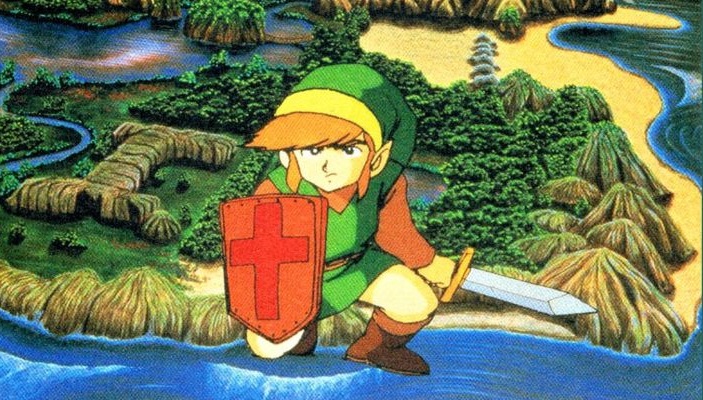
The comments arrive as Nintendo continues to steward longstanding franchises such as Mario and The Legend of Zelda while also growing newer hits like Splatoon across platforms including Wii U and Nintendo Switch.
Miyamoto framed the issue bluntly: creating new characters is positive, but Nintendo needs to be rigorous in judging whether a character will work worldwide.
He recalled internal debate during Splatoon development, when the team at times considered whether Mario would be a safer choice.
According to Miyamoto, the Inkling prototypes convinced developers they had a distinct cast that no longer required Mario to carry the game, allowing Splatoon to emerge as its own franchise.
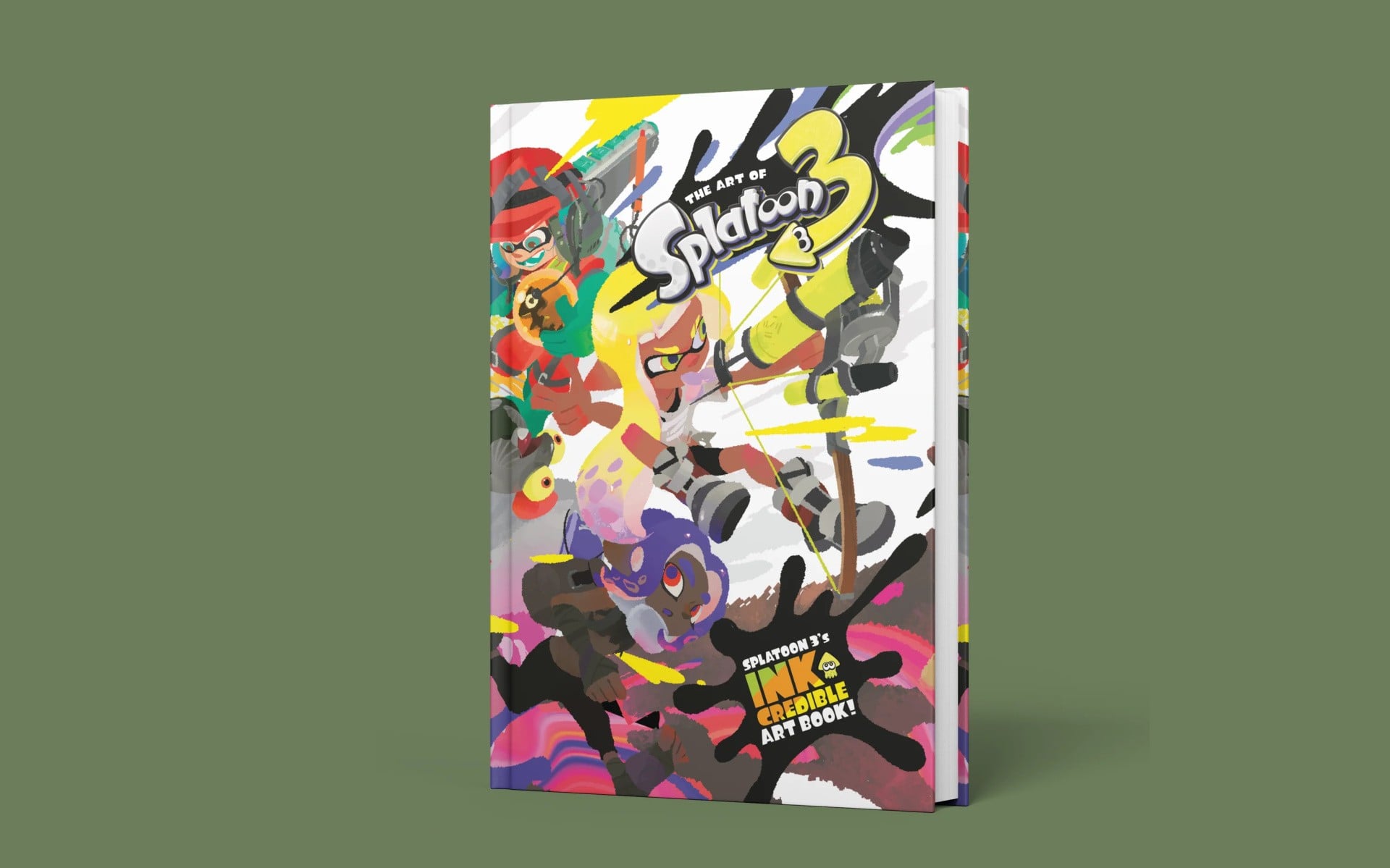
Splatoon launched on Wii U in 2015 and has since become a major Nintendo series, with Splatoon 2 releasing on Nintendo Switch in 2017 and Splatoon 3 arriving on Switch in 2022.
The Inklings in particular have proven popular in Japan and internationally, helping the franchise become one of Nintendos notable newer properties.
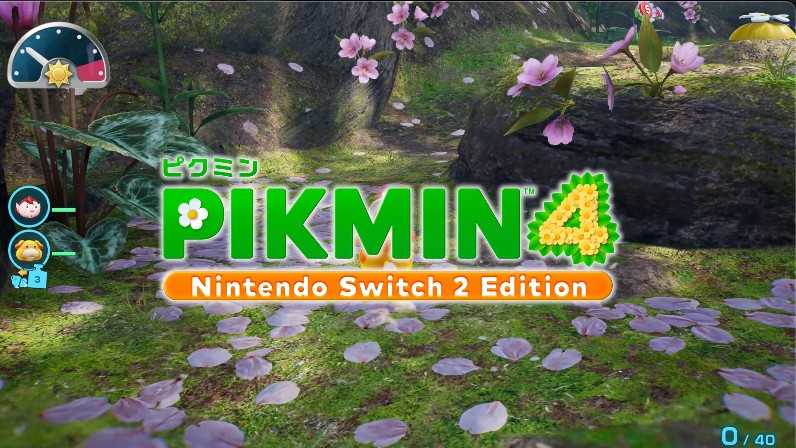
Miyamoto also referenced Pikmin in his remarks, noting the passage of time since the series debut.
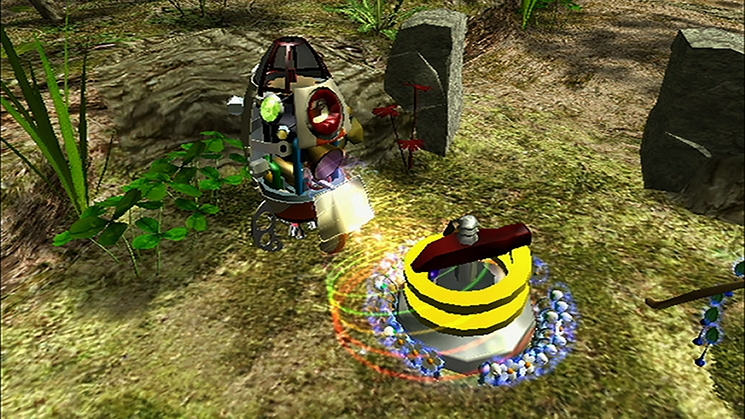
The original Pikmin launched on GameCube in 2001; with the series still active on Nintendo Switch, Miyamoto emphasized the need for greater proactivity in cultivating new characters.
Paraphrasing his point, he said that while Nintendo will remain flexible, the company should more actively pursue new original characters and empower younger developers to lead that effort.
The interview underscores a familiar pattern at Nintendo: balancing franchise stewardship with selective innovation.
Nintendo has introduced new characters across multiple hardware generations, from GameCube and Wii U to the Switch era, often testing concepts internally and refining designs until teams are confident in their global appeal.
For developers and fans watching Nintendos future slate, Miyamotos comments provide clear guidance on the companys priorities: new characters are welcome, but they must be carefully judged and nurtured to succeed on a global stage.
Read the full Famitsu interview for additional comments on software selection and remakes.
The comments arrive as Nintendo continues to steward longstanding franchises such as Mario and The Legend of Zelda while also growing newer hits like Splatoon across platforms including Wii U and Nintendo Switch.
Miyamoto framed the issue bluntly: creating new characters is positive, but Nintendo needs to be rigorous in judging whether a character will work worldwide.
He recalled internal debate during Splatoon development, when the team at times considered whether Mario would be a safer choice.
According to Miyamoto, the Inkling prototypes convinced developers they had a distinct cast that no longer required Mario to carry the game, allowing Splatoon to emerge as its own franchise.
Splatoon launched on Wii U in 2015 and has since become a major Nintendo series, with Splatoon 2 releasing on Nintendo Switch in 2017 and Splatoon 3 arriving on Switch in 2022.
The Inklings in particular have proven popular in Japan and internationally, helping the franchise become one of Nintendos notable newer properties.
Miyamoto also referenced Pikmin in his remarks, noting the passage of time since the series debut.
The original Pikmin launched on GameCube in 2001; with the series still active on Nintendo Switch, Miyamoto emphasized the need for greater proactivity in cultivating new characters.
Paraphrasing his point, he said that while Nintendo will remain flexible, the company should more actively pursue new original characters and empower younger developers to lead that effort.
The interview underscores a familiar pattern at Nintendo: balancing franchise stewardship with selective innovation.
Nintendo has introduced new characters across multiple hardware generations, from GameCube and Wii U to the Switch era, often testing concepts internally and refining designs until teams are confident in their global appeal.
For developers and fans watching Nintendos future slate, Miyamotos comments provide clear guidance on the companys priorities: new characters are welcome, but they must be carefully judged and nurtured to succeed on a global stage.
Read the full Famitsu interview for additional comments on software selection and remakes.