
Donkey Kong Bananza stands out as a bold addition to the classic franchise, embracing the power of modern hardware with its innovative 3D platforming and dynamic environments.
Developed exclusively for the Nintendo Switch, the game introduces fresh mechanics while honoring the spirit of Nintendo’s beloved ape.
The ambitious project, led by veteran programmer Tatsuya Kurihara, has garnered strong interest from fans and industry professionals alike, as reflected in its showcase at the Game Developers Conference (GDC).
At GDC, Kurihara delivered an insightful talk detailing the creative journey behind Donkey Kong Bananza’s groundbreaking destruction features.
According to Kurihara, the development team’s early concepts involved allowing players to break random blocks throughout the game world.
However, this initial approach failed to provide the engaging feedback the team sought.
In his GDC presentation, Kurihara explained that the simple act of smashing generic blocks didn't feel particularly rewarding, prompting the team to rethink their design philosophy.
"Initially, the act of destroying nondescript blocks lacked the sense of satisfaction we aimed for," Kurihara relayed to attendees.
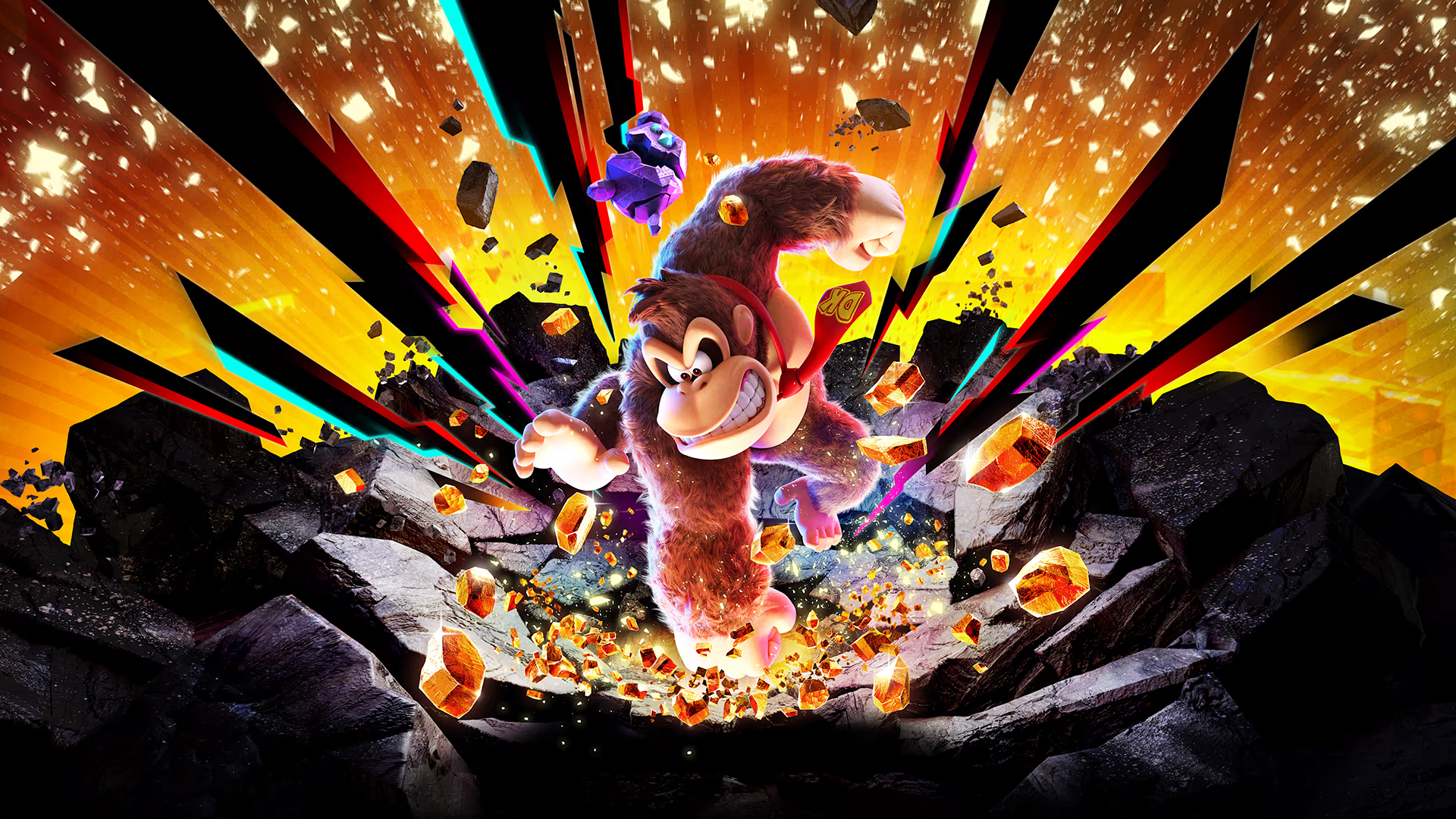
The pivotal change emerged when the team shifted focus from indiscriminate block-breaking to creating visually stunning environments that could be shattered.
By designing beautiful, intricate settings, they discovered that allowing players to dismantle these crafted spaces significantly amplified the fun factor.
Kurihara elaborated, stating, "There’s a distinct thrill in tearing down something that appears pristine or unbreakable.
The enjoyment comes from the contrast between the environment’s initial beauty and its subsequent destruction." This principle became a guiding force for the Donkey Kong Bananza team, influencing their approach to level architecture, visual fidelity, and interactive elements.
The team meticulously integrated destructible terrain into the game, ensuring that environmental interaction became a central pillar of the gameplay experience.
Donkey Kong Bananza’s launch on the Nintendo Switch demonstrates Nintendo’s commitment to innovation in its long-standing franchises, utilizing both the hardware’s processing power and unique input features.
Following its announcement in a recent Nintendo Direct, the title’s reception has been overwhelmingly positive, noted for its visual flair and interactive depth.
These design choices, shaped by feedback and introspective analysis during development, have solidified Donkey Kong Bananza as a standout among recent platformers available on the Nintendo eShop.
By sharing his development experiences at GDC, Tatsuya Kurihara provided an inside look into the creative and technical challenges that shaped Donkey Kong Bananza.
The focus on environmental destruction not only refreshes the Donkey Kong formula but also highlights the innovative spirit driving Nintendo’s contemporary game development.
Developed exclusively for the Nintendo Switch, the game introduces fresh mechanics while honoring the spirit of Nintendo’s beloved ape.
The ambitious project, led by veteran programmer Tatsuya Kurihara, has garnered strong interest from fans and industry professionals alike, as reflected in its showcase at the Game Developers Conference (GDC).
At GDC, Kurihara delivered an insightful talk detailing the creative journey behind Donkey Kong Bananza’s groundbreaking destruction features.
According to Kurihara, the development team’s early concepts involved allowing players to break random blocks throughout the game world.
However, this initial approach failed to provide the engaging feedback the team sought.
In his GDC presentation, Kurihara explained that the simple act of smashing generic blocks didn't feel particularly rewarding, prompting the team to rethink their design philosophy.
"Initially, the act of destroying nondescript blocks lacked the sense of satisfaction we aimed for," Kurihara relayed to attendees.
The pivotal change emerged when the team shifted focus from indiscriminate block-breaking to creating visually stunning environments that could be shattered.
By designing beautiful, intricate settings, they discovered that allowing players to dismantle these crafted spaces significantly amplified the fun factor.
Kurihara elaborated, stating, "There’s a distinct thrill in tearing down something that appears pristine or unbreakable.
The enjoyment comes from the contrast between the environment’s initial beauty and its subsequent destruction." This principle became a guiding force for the Donkey Kong Bananza team, influencing their approach to level architecture, visual fidelity, and interactive elements.
The team meticulously integrated destructible terrain into the game, ensuring that environmental interaction became a central pillar of the gameplay experience.
Donkey Kong Bananza’s launch on the Nintendo Switch demonstrates Nintendo’s commitment to innovation in its long-standing franchises, utilizing both the hardware’s processing power and unique input features.
Following its announcement in a recent Nintendo Direct, the title’s reception has been overwhelmingly positive, noted for its visual flair and interactive depth.
These design choices, shaped by feedback and introspective analysis during development, have solidified Donkey Kong Bananza as a standout among recent platformers available on the Nintendo eShop.
By sharing his development experiences at GDC, Tatsuya Kurihara provided an inside look into the creative and technical challenges that shaped Donkey Kong Bananza.
The focus on environmental destruction not only refreshes the Donkey Kong formula but also highlights the innovative spirit driving Nintendo’s contemporary game development.