In a significant reveal for Nintendo history fans, a collection of original court documents from the legendary 1983 Universal vs. Nintendo lawsuit has surfaced online, thanks to the efforts of Norman Caruso—a renowned content creator better known as the Gaming Historian.
Announcing his retirement after 18 years of producing in-depth video documentaries on YouTube, Caruso decided to share his extensive research on the pivotal legal battle by uploading a comprehensive archive of materials to the Internet Archive.
This trove offers unprecedented insight into a case that not only defined Nintendo’s legal resilience but also reshaped video game copyright law and creative rights.
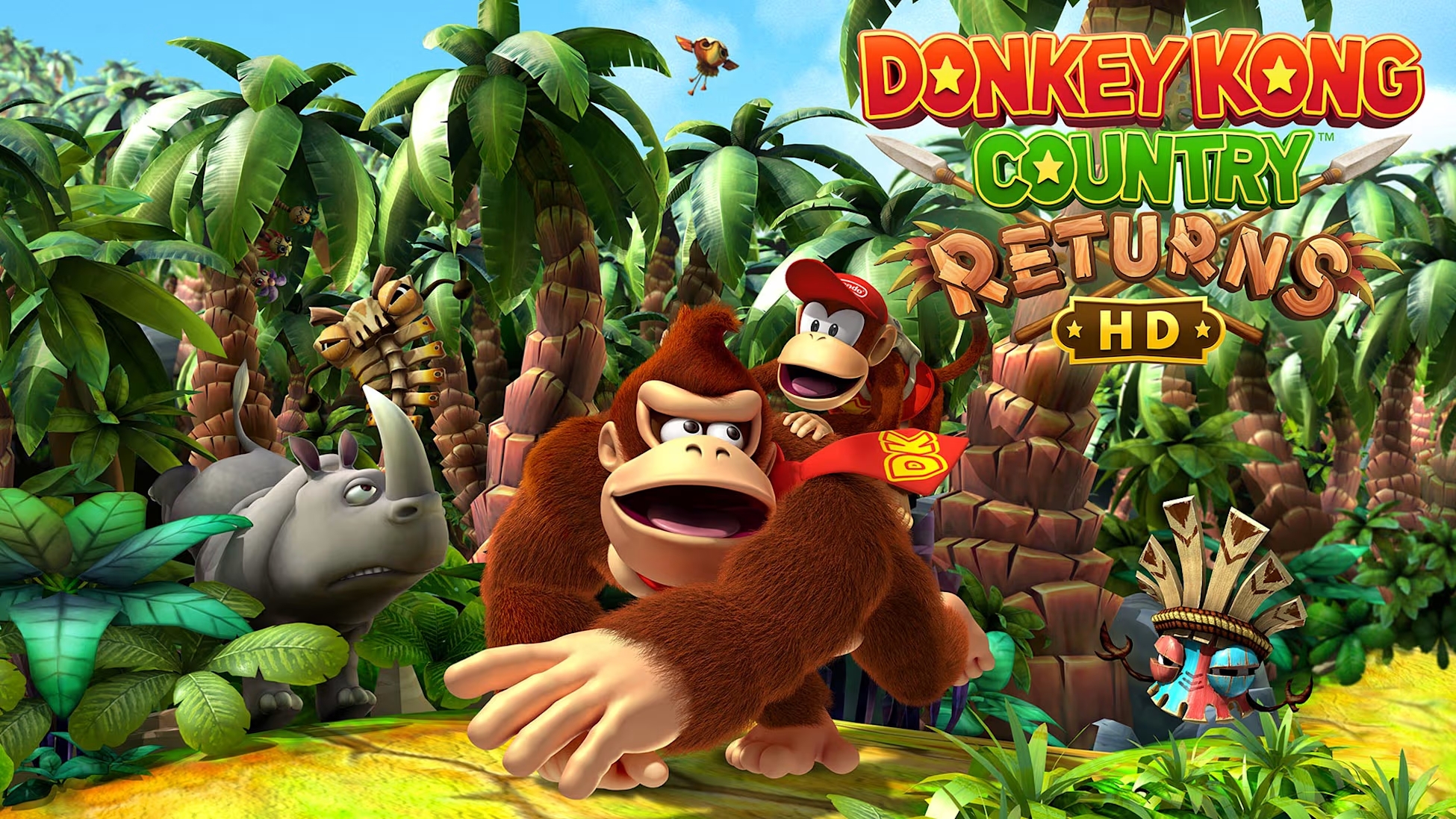
One of the most intriguing revelations, highlighted in recent coverage by GamesRadar, centers on the origins of Donkey Kong—a cornerstone franchise for Nintendo and a critical launchpad for both the company and designer Shigeru Miyamoto.
Scanned deposition documents show that Donkey Kong’s working title was initially “Build On,” a detail that diverges sharply from the iconic moniker gamers now know.
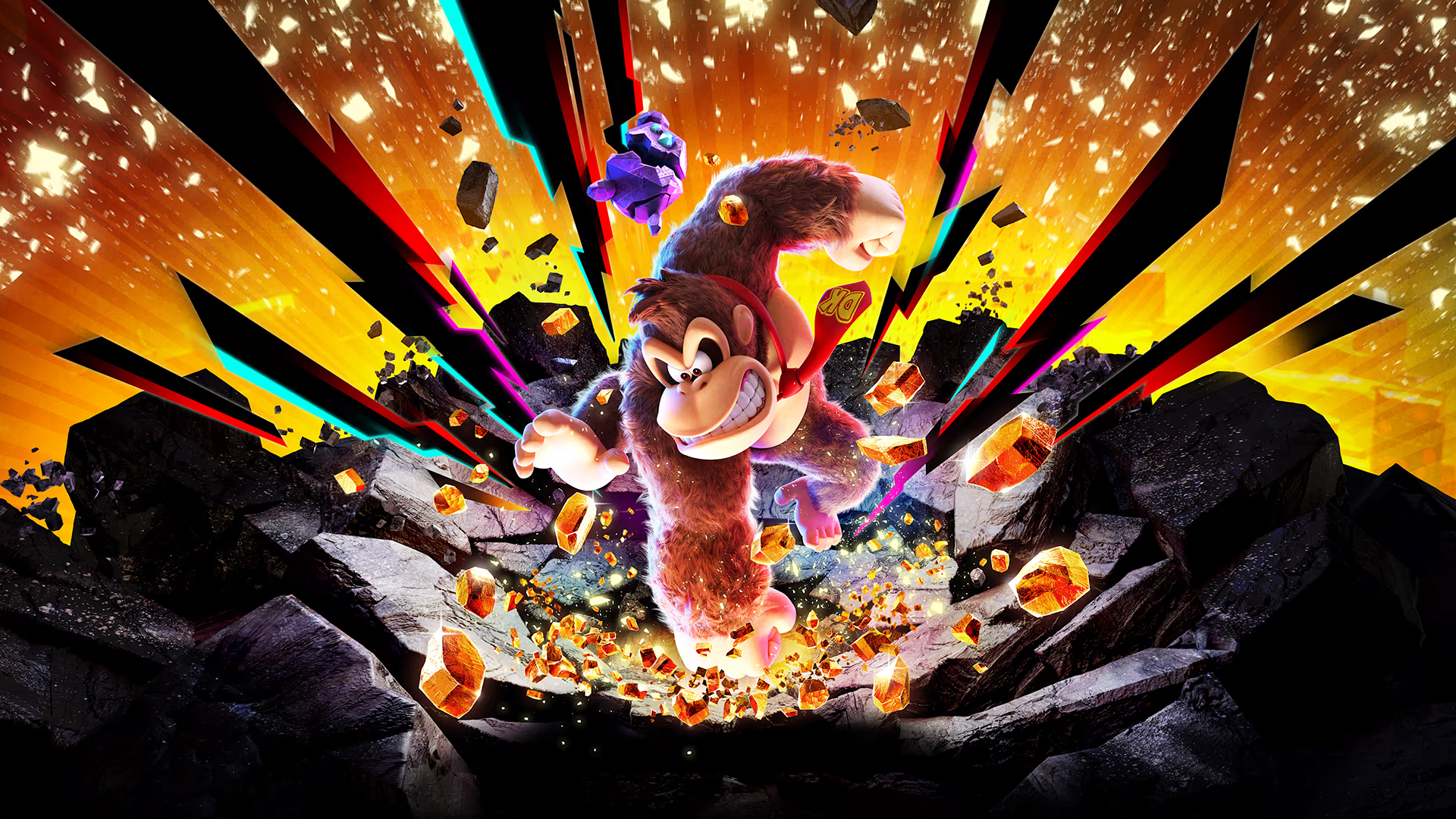
More fascinating, however, is Miyamoto’s description of his design approach for the character: he attempted to make Donkey Kong appear “close to a human being,” likening the concept to an actor outfitted in a gorilla costume.
In clear but translated terms, Miyamoto’s deposition states, “I tried to make it as a human being wearing a stuffed doll,” demonstrating the creative experimentation present at Nintendo during this formative period.
The deposition, taken as part of Nintendo’s defense during the Universal lawsuit, brought together testimony from Miyamoto himself, Gunpei Yokoi—the inventor of the Game Boy—and then company president Hiroshi Yamauchi.
Their coordinated statements emphasized key differences between Donkey Kong and Universal’s King Kong, with Nintendo arguing that the characters were distinct enough to constitute original intellectual property.
Ultimately, the courts agreed, concluding that Universal did not in fact own the King Kong trademark, and ruling in Nintendo’s favor—a decision that protected the fledgling company's breakthrough title and set the tone for its future in game development.
For preservationists, game developers, and Nintendo Switch enthusiasts, the archived documents offer invaluable information and reinforce the importance of historical transparency about foundational moments in gaming.
Interested readers can access the full collection on the Internet Archive, ensuring that these primary sources are available for study and enjoyment well into the future.
Norman Caruso’s contribution as the Gaming Historian leaves a lasting legacy for fans eager to explore the rich backstory of Nintendo’s evolution.
The release of these court records not only commemorates a legal triumph but also provides rare creative insights from legendary industry figures like Shigeru Miyamoto and Gunpei Yokoi.
As Donkey Kong continues to thrive through modern releases and eShop updates, this new information enriches our understanding of how Nintendo’s most famous ape first came to life.
Announcing his retirement after 18 years of producing in-depth video documentaries on YouTube, Caruso decided to share his extensive research on the pivotal legal battle by uploading a comprehensive archive of materials to the Internet Archive.
This trove offers unprecedented insight into a case that not only defined Nintendo’s legal resilience but also reshaped video game copyright law and creative rights.
One of the most intriguing revelations, highlighted in recent coverage by GamesRadar, centers on the origins of Donkey Kong—a cornerstone franchise for Nintendo and a critical launchpad for both the company and designer Shigeru Miyamoto.
Scanned deposition documents show that Donkey Kong’s working title was initially “Build On,” a detail that diverges sharply from the iconic moniker gamers now know.
More fascinating, however, is Miyamoto’s description of his design approach for the character: he attempted to make Donkey Kong appear “close to a human being,” likening the concept to an actor outfitted in a gorilla costume.
In clear but translated terms, Miyamoto’s deposition states, “I tried to make it as a human being wearing a stuffed doll,” demonstrating the creative experimentation present at Nintendo during this formative period.
The deposition, taken as part of Nintendo’s defense during the Universal lawsuit, brought together testimony from Miyamoto himself, Gunpei Yokoi—the inventor of the Game Boy—and then company president Hiroshi Yamauchi.
Their coordinated statements emphasized key differences between Donkey Kong and Universal’s King Kong, with Nintendo arguing that the characters were distinct enough to constitute original intellectual property.
Ultimately, the courts agreed, concluding that Universal did not in fact own the King Kong trademark, and ruling in Nintendo’s favor—a decision that protected the fledgling company's breakthrough title and set the tone for its future in game development.
For preservationists, game developers, and Nintendo Switch enthusiasts, the archived documents offer invaluable information and reinforce the importance of historical transparency about foundational moments in gaming.
Interested readers can access the full collection on the Internet Archive, ensuring that these primary sources are available for study and enjoyment well into the future.
Norman Caruso’s contribution as the Gaming Historian leaves a lasting legacy for fans eager to explore the rich backstory of Nintendo’s evolution.
The release of these court records not only commemorates a legal triumph but also provides rare creative insights from legendary industry figures like Shigeru Miyamoto and Gunpei Yokoi.
As Donkey Kong continues to thrive through modern releases and eShop updates, this new information enriches our understanding of how Nintendo’s most famous ape first came to life.