Chase H.Q. ZX Spectrum: Mike Tyson cameo revealed by Ocean Software artist
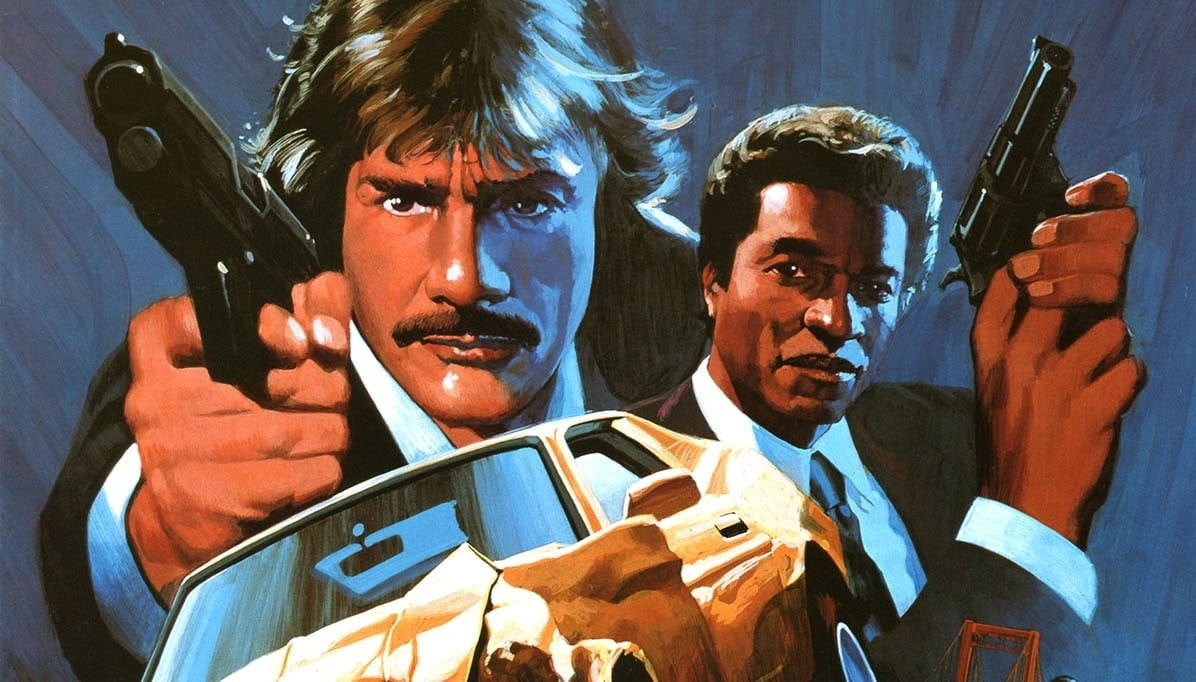
Taito's arcade hit Chase H.Q. debuted in 1988 and became a notable example of late-1980s arcade driving and pursuit games.
Ocean Software, the Manchester-based developer and publisher renowned for licensed home conversions in the 1980s and 1990s, produced a ZX Spectrum port that arrived in 1989.
In a recent YouTube video, Ocean artist and animator Bill Harbison detailed the technical and creative work that went into that conversion and revealed a surprising Easter egg: a small portrait in the Spectrum version modelled on heavyweight boxer Mike Tyson.
The ZX Spectrum conversion of Chase H.Q., programmed at Ocean by John O'Brien with art by Harbison, had to work inside tight memory and display limits compared with the arcade original.
Harbison explained that, because full-screen arrest images from the arcade could not be replicated on Spectrum hardware, he used small end-of-level portraits instead.
He said he based several of those portraits on Ocean colleagues — including hardware engineer Steve Lavache, Spectrum and Amstrad artist Martin Macdonald, and tester Kane Valentine — and deliberately included a likeness of Mike Tyson among the lineup.
Harbison added that he also depicted the Commodore 64 artist Steve Thompson, joking that he had long envied Thompson's use of color on the C64.
Harbison's account places the cameo in context: the likeness was an unofficial, tongue-in-cheek Easter egg rather than a licensed use of Tyson's image.
The revelation complements the wider story of Ocean's conversion work; Harbison and O'Brien had previously tackled other driving games at Ocean, including work on the 1988 WEC Le Mans title, and their Chase H.Q. port is still regarded by many retro gaming historians as one of the platform's more celebrated arcade conversions.
For readers tracking retro development histories, the cameo also ties to broader cultural touchpoints: Mike Tyson was already a high-profile figure in the 1980s — famously headlining Mike Tyson's Punch-Out!! on the NES in 1987 — and remained a recurring presence in video game lore.
Harbison's video documents the conversion process and the small personal touches developers slipped into ports; those interested can view the full breakdown on his YouTube channel.
Taito's arcade hit Chase H.Q. debuted in 1988 and became a notable example of late-1980s arcade driving and pursuit games.
Ocean Software, the Manchester-based developer and publisher renowned for licensed home conversions in the 1980s and 1990s, produced a ZX Spectrum port that arrived in 1989.
In a recent YouTube video, Ocean artist and animator Bill Harbison detailed the technical and creative work that went into that conversion and revealed a surprising Easter egg: a small portrait in the Spectrum version modelled on heavyweight boxer Mike Tyson.
The ZX Spectrum conversion of Chase H.Q., programmed at Ocean by John O'Brien with art by Harbison, had to work inside tight memory and display limits compared with the arcade original.
Harbison explained that, because full-screen arrest images from the arcade could not be replicated on Spectrum hardware, he used small end-of-level portraits instead.
He said he based several of those portraits on Ocean colleagues — including hardware engineer Steve Lavache, Spectrum and Amstrad artist Martin Macdonald, and tester Kane Valentine — and deliberately included a likeness of Mike Tyson among the lineup.
Harbison added that he also depicted the Commodore 64 artist Steve Thompson, joking that he had long envied Thompson's use of color on the C64.
Harbison's account places the cameo in context: the likeness was an unofficial, tongue-in-cheek Easter egg rather than a licensed use of Tyson's image.
The revelation complements the wider story of Ocean's conversion work; Harbison and O'Brien had previously tackled other driving games at Ocean, including work on the 1988 WEC Le Mans title, and their Chase H.Q. port is still regarded by many retro gaming historians as one of the platform's more celebrated arcade conversions.
For readers tracking retro development histories, the cameo also ties to broader cultural touchpoints: Mike Tyson was already a high-profile figure in the 1980s — famously headlining Mike Tyson's Punch-Out!! on the NES in 1987 — and remained a recurring presence in video game lore.
Harbison's video documents the conversion process and the small personal touches developers slipped into ports; those interested can view the full breakdown on his YouTube channel.