Shmuplations, the site known for translating and archiving retro Japanese gaming interviews, has published an English translation of a 2002 Nintendo Dream interview with Shigeru Miyamoto concerning Super Mario Sunshine.
The interview, conducted around the time of the game's release on Nintendo's GameCube, revisits Miyamoto's reflections on design choices and player accessibility.
Super Mario Sunshine was released in Japan on July 19, 2002, and later that year in North America and Europe.
Developed by Nintendo (including teams within Nintendo EAD) for the GameCube, the title introduced FLUDD, a water-powered backpack, as a central gameplay mechanic.
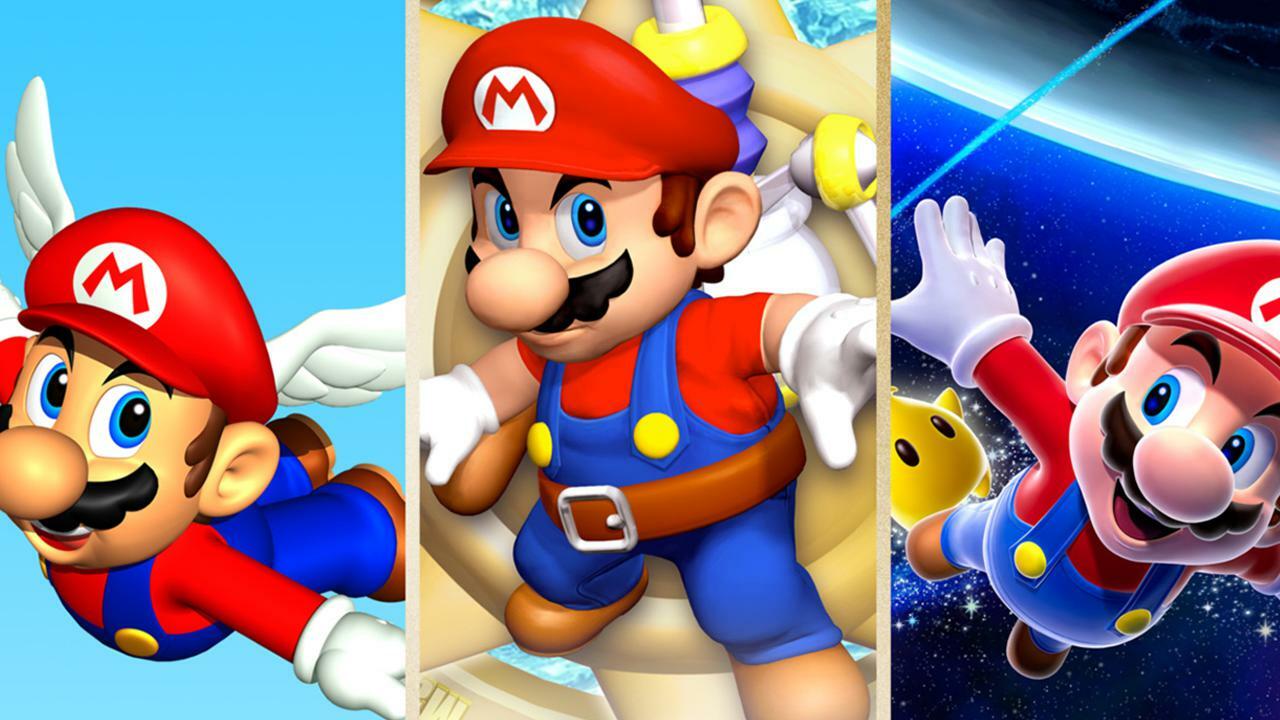
The game later resurfaced on modern platforms as part of Super Mario 3D All-Stars, which was released for Nintendo Switch on September 18, 2020.
In the translated Nintendo Dream interview, Miyamoto plainly acknowledged concerns about Sunshine's difficulty.
Paraphrasing his comments for English readers, Miyamoto said he designed Mario to be approachable for a broad audience — from young children to grandparents — and that he regretted Super Mario Sunshine had ended up more challenging than he intended for the average player.
He added that he worried the game's difficulty and structure might confuse someone who had not played video games for a long time.
Shmuplations’ work emphasizes preserving developer commentary and making archival material accessible to English-speaking audiences.
The site has a track record of locating and translating interviews and articles from Japanese magazines, bringing decades-old developer insights back into contemporary discussion.
The revelation aligns with historical reception: while Super Mario Sunshine received praise for its visuals and level design, some critics and players noted a difficulty curve that differentiated it from previous mainline Mario titles.
Miyamoto’s remarks in the 2002 Nintendo Dream interview provide a direct primary-source perspective on those design choices.
For Nintendo historians and fans tracking Mario’s evolution, the translated interview adds context to how Nintendo’s design philosophy has balanced accessibility with new mechanics.
With the GameCube original and later appearance in Super Mario 3D All-Stars on Nintendo Switch, Sunshine remains a notable chapter in Nintendo’s platform history and in Miyamoto’s long career as a lead designer.
The interview, conducted around the time of the game's release on Nintendo's GameCube, revisits Miyamoto's reflections on design choices and player accessibility.
Super Mario Sunshine was released in Japan on July 19, 2002, and later that year in North America and Europe.
Developed by Nintendo (including teams within Nintendo EAD) for the GameCube, the title introduced FLUDD, a water-powered backpack, as a central gameplay mechanic.
The game later resurfaced on modern platforms as part of Super Mario 3D All-Stars, which was released for Nintendo Switch on September 18, 2020.
In the translated Nintendo Dream interview, Miyamoto plainly acknowledged concerns about Sunshine's difficulty.
Paraphrasing his comments for English readers, Miyamoto said he designed Mario to be approachable for a broad audience — from young children to grandparents — and that he regretted Super Mario Sunshine had ended up more challenging than he intended for the average player.
He added that he worried the game's difficulty and structure might confuse someone who had not played video games for a long time.
Shmuplations’ work emphasizes preserving developer commentary and making archival material accessible to English-speaking audiences.
The site has a track record of locating and translating interviews and articles from Japanese magazines, bringing decades-old developer insights back into contemporary discussion.
The revelation aligns with historical reception: while Super Mario Sunshine received praise for its visuals and level design, some critics and players noted a difficulty curve that differentiated it from previous mainline Mario titles.
Miyamoto’s remarks in the 2002 Nintendo Dream interview provide a direct primary-source perspective on those design choices.
For Nintendo historians and fans tracking Mario’s evolution, the translated interview adds context to how Nintendo’s design philosophy has balanced accessibility with new mechanics.
With the GameCube original and later appearance in Super Mario 3D All-Stars on Nintendo Switch, Sunshine remains a notable chapter in Nintendo’s platform history and in Miyamoto’s long career as a lead designer.