The landscape of retro gaming has experienced a transformative leap with the official arrival of MARS FPGA, a robust contender in the FPGA-based retro console market.
Announced in August 2023, the MARS FPGA ("Multi Arcade and Retro System") enters the scene at a pivotal time for vintage game preservation, offering dedicated enthusiasts the ability to play classic titles with unparalleled accuracy on modern hardware.
Developed as a direct competitor to established platforms like MiSTer and Analogue Pocket, MARS FPGA is engineered around the advanced Titanium Ti180 FPGA chip.
This next-generation chipset demonstrates considerable technical improvements over the widely used DE10-Nano Cyclone V that powers MiSTer, providing significant enhancements in system emulation and performance.
MARS FPGA Edges Forward with Wide Controller and Platform Support
A notable highlight of the recent MARS FPGA update is its support for a comprehensive suite of classic consoles, including the NES, SNES, Genesis, Neo Geo, NEC (PC Engine/TurboGrafx-16), and Nintendo 64.
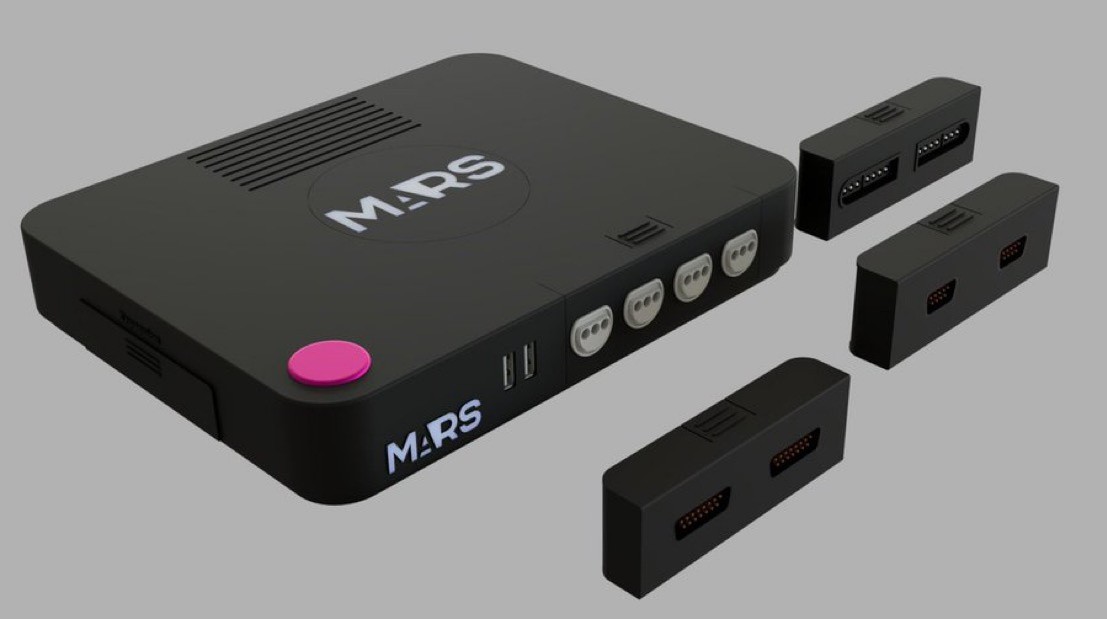
The system features interchangeable front controller ports, allowing users to swap between different SNAC modules and use original console controllers and peripherals.
This extends the authenticity of the retro gaming experience well beyond what existing platforms offer, with further hardware compatibility anticipated in upcoming announcements.
While USB controller support has become standard in the FPGA retro gaming sector, MARS FPGA introduces a sleeker, more user-friendly interface for pairing classic hardware and modern controllers, streamlining the setup for both seasoned collectors and newcomers.
Industry Leaders Join the MARS FPGA Development Team
The MARS FPGA’s pedigree is strengthened by the recent addition of high-profile developers to its team.
Key figures such as Wizzomafizzo (known for MiSTer Extensions), Flxel (developer of leading 3DO and Dreamcast emulators), and ToddsNerdCave (renowned for industrial design across products like OSSC, MiSTer, and Retrotink 5x) have contributed their expertise to the project, signaling a commitment to both technical excellence and hardware design.
In August, the MARS FPGA team teased Capcom CPS-3 game compatibility, including celebrated titles like Street Fighter 3, further broadening the system’s appeal to arcade veterans and console enthusiasts alike.
Market Outlook and Community Reception
Since its public unveiling, MARS FPGA has generated widespread interest within the retro gaming community.
However, some skepticism persists, primarily regarding its anticipated retail price—rumored to be as high as $700, nearly double that of a typical MiSTer setup.
Additionally, questions remain about whether MARS FPGA can cultivate the same vibrant developer ecosystem that has powered MiSTer’s rapid expansion to platforms like PlayStation, Saturn, and Nintendo 64.
Despite these challenges, the MARS FPGA project represents a significant stride forward for hardware-based game preservation and retro gaming innovation.
Its ambitious hardware, modular controller support, and the growing roster of industry talent position it as a formidable new force in the FPGA market.
As MARS FPGA nears its launch, all eyes are on how it will shape the future of retro gaming for enthusiasts worldwide.
Announced in August 2023, the MARS FPGA ("Multi Arcade and Retro System") enters the scene at a pivotal time for vintage game preservation, offering dedicated enthusiasts the ability to play classic titles with unparalleled accuracy on modern hardware.
Developed as a direct competitor to established platforms like MiSTer and Analogue Pocket, MARS FPGA is engineered around the advanced Titanium Ti180 FPGA chip.
This next-generation chipset demonstrates considerable technical improvements over the widely used DE10-Nano Cyclone V that powers MiSTer, providing significant enhancements in system emulation and performance.
MARS FPGA Edges Forward with Wide Controller and Platform Support
A notable highlight of the recent MARS FPGA update is its support for a comprehensive suite of classic consoles, including the NES, SNES, Genesis, Neo Geo, NEC (PC Engine/TurboGrafx-16), and Nintendo 64.
The system features interchangeable front controller ports, allowing users to swap between different SNAC modules and use original console controllers and peripherals.
This extends the authenticity of the retro gaming experience well beyond what existing platforms offer, with further hardware compatibility anticipated in upcoming announcements.
While USB controller support has become standard in the FPGA retro gaming sector, MARS FPGA introduces a sleeker, more user-friendly interface for pairing classic hardware and modern controllers, streamlining the setup for both seasoned collectors and newcomers.
Industry Leaders Join the MARS FPGA Development Team
The MARS FPGA’s pedigree is strengthened by the recent addition of high-profile developers to its team.
Key figures such as Wizzomafizzo (known for MiSTer Extensions), Flxel (developer of leading 3DO and Dreamcast emulators), and ToddsNerdCave (renowned for industrial design across products like OSSC, MiSTer, and Retrotink 5x) have contributed their expertise to the project, signaling a commitment to both technical excellence and hardware design.
In August, the MARS FPGA team teased Capcom CPS-3 game compatibility, including celebrated titles like Street Fighter 3, further broadening the system’s appeal to arcade veterans and console enthusiasts alike.
Market Outlook and Community Reception
Since its public unveiling, MARS FPGA has generated widespread interest within the retro gaming community.
However, some skepticism persists, primarily regarding its anticipated retail price—rumored to be as high as $700, nearly double that of a typical MiSTer setup.
Additionally, questions remain about whether MARS FPGA can cultivate the same vibrant developer ecosystem that has powered MiSTer’s rapid expansion to platforms like PlayStation, Saturn, and Nintendo 64.
Despite these challenges, the MARS FPGA project represents a significant stride forward for hardware-based game preservation and retro gaming innovation.
Its ambitious hardware, modular controller support, and the growing roster of industry talent position it as a formidable new force in the FPGA market.
As MARS FPGA nears its launch, all eyes are on how it will shape the future of retro gaming for enthusiasts worldwide.