
Level-5 president and CEO Akihiro Hino has publicly addressed criticism over the use of generative AI in the studio’s recent Level-5 Vision presentation.
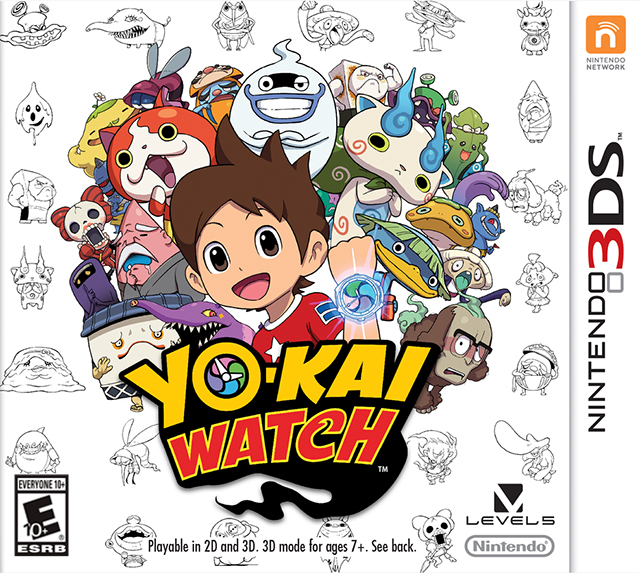
The event, which highlighted projects from long-running series such as Professor Layton and Yo‑kai Watch, drew scrutiny after viewers noticed AI-generated elements in video segments.
Hino posted a translated statement on X explaining the company’s intentions and outlining how AI will factor into Level-5’s development pipeline.
In his post, Hino said the studio included “some of the latest AI technology” in the presentation as an experimental attempt to make the showcase more spectacular.
He apologized to fans who were unsettled by those production choices and acknowledged the backlash.
Hino emphasized that core creative work at Level-5 — including scenarios, character designs, and foundational settings — continues to be created by humans.
Hino described the studio’s current approach to AI as focused on efficiency improvements rather than creative replacement.
He cited practical uses such as digitizing existing human-created artwork and converting original art into polygonal geometry for 3D models, saying these workflows are intended to free creators to spend more time on the creative aspects of development.
According to the statement, Level-5 is experimenting with AI in production to shorten development cycles and aims to reduce the timeline for major titles from roughly five years to around two.
The company also pledged not to incorporate “careless or unrefined AI-generated output” into released games, urging fans to rest assured that the distinctive qualities of Level-5 titles will remain human-driven.
Hino said the studio will take lessons from the Level-5 Vision presentation and apply them to future communications and productions.
Level-5 is best known for franchises such as Professor Layton and Yo‑kai Watch and has a long history of releasing games on Nintendo platforms, from the Nintendo DS and Nintendo 3DS to recent releases and ports that appear on the Nintendo Switch and via the Nintendo eShop.
The studio’s statement aims to clarify how generative AI will be used as a tool within development pipelines rather than as a substitute for the human creativity that defined its past successes.
As the industry continues to debate the role of AI in game production and marketing, Level-5’s response provides a concrete example of a developer attempting to balance experimental technologies with protecting established creative practices.
The event, which highlighted projects from long-running series such as Professor Layton and Yo‑kai Watch, drew scrutiny after viewers noticed AI-generated elements in video segments.
Hino posted a translated statement on X explaining the company’s intentions and outlining how AI will factor into Level-5’s development pipeline.
In his post, Hino said the studio included “some of the latest AI technology” in the presentation as an experimental attempt to make the showcase more spectacular.
He apologized to fans who were unsettled by those production choices and acknowledged the backlash.
Hino emphasized that core creative work at Level-5 — including scenarios, character designs, and foundational settings — continues to be created by humans.
Hino described the studio’s current approach to AI as focused on efficiency improvements rather than creative replacement.
He cited practical uses such as digitizing existing human-created artwork and converting original art into polygonal geometry for 3D models, saying these workflows are intended to free creators to spend more time on the creative aspects of development.
According to the statement, Level-5 is experimenting with AI in production to shorten development cycles and aims to reduce the timeline for major titles from roughly five years to around two.
The company also pledged not to incorporate “careless or unrefined AI-generated output” into released games, urging fans to rest assured that the distinctive qualities of Level-5 titles will remain human-driven.
Hino said the studio will take lessons from the Level-5 Vision presentation and apply them to future communications and productions.
Level-5 is best known for franchises such as Professor Layton and Yo‑kai Watch and has a long history of releasing games on Nintendo platforms, from the Nintendo DS and Nintendo 3DS to recent releases and ports that appear on the Nintendo Switch and via the Nintendo eShop.
The studio’s statement aims to clarify how generative AI will be used as a tool within development pipelines rather than as a substitute for the human creativity that defined its past successes.
As the industry continues to debate the role of AI in game production and marketing, Level-5’s response provides a concrete example of a developer attempting to balance experimental technologies with protecting established creative practices.