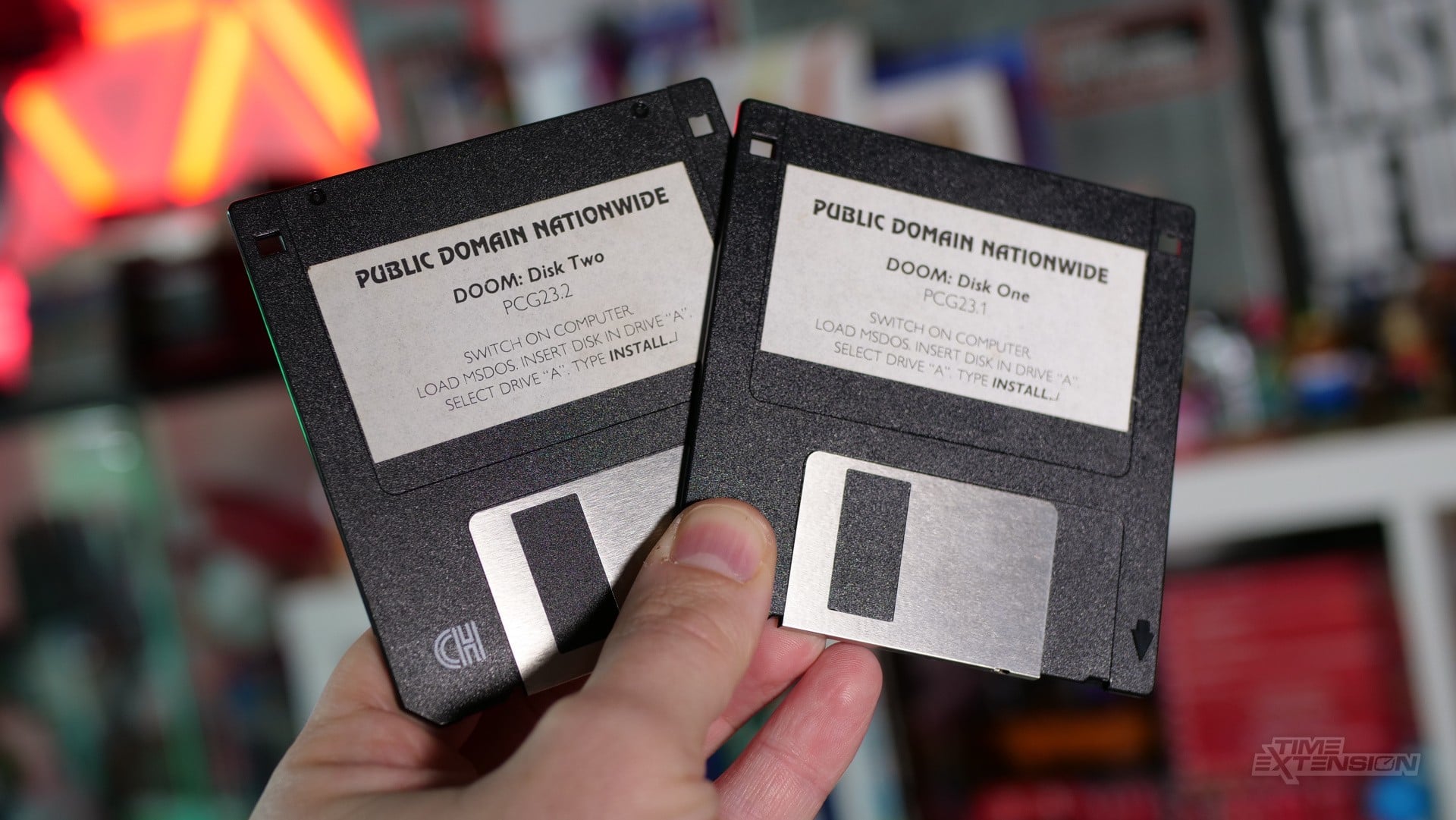

Bobby Prince, the composer best known for the brash, metal-tinged soundtrack of Doom and the soundscapes of Duke Nukem 3D and Rise of the Triad, has died at 81, according to reports published on June 19, 2026.
Prince—born Robert Caskin Prince III—was a defining voice in early 1990s PC shareware music and a frequent collaborator with id Software and Apogee Software.
Background and early life
Prince served as a first lieutenant platoon leader in the Vietnam War before returning to civilian life.
He later studied law and passed the bar in 1980; his legal knowledge informed how he adapted musical material for game projects.
Prince became fascinated with MIDI technology in the 1980s and used emerging tools to craft tracks that fit the limitations and possibilities of then-contemporary PC hardware.
Career and notable works
Prince’s credits include the original Doom score (1993), which helped establish an aggressive, rock-influenced palette for action games, as well as music for Duke Nukem 3D and Rise of the Triad.
He worked closely with leading developers of the era—most prominently id Software and publisher Apogee—and his compositions were staples of early shareware distribution models that brought PC games to a wide audience.
On composing Doom
In a 2020 interview with Quarter Circles, Prince explained his creative approach to Doom’s score: he said he used Tom Hall’s early design document known as the “Doom Bible” as a guide and translated those descriptions into music intended to match the game’s emerging tone and atmosphere.
Recognition and cultural legacy
The Doom soundtrack has been recognized for its cultural significance: the Library of Congress has described how Prince’s work drew on MIDI and CD-era influences, including material loaned to him by Doom co-creator John Romero, and noted that the soundtrack inspired numerous remixes and later generations of composers.
That recognition reflects the enduring impact of Prince’s music beyond the original PC releases; his compositions have been experienced by players on modern platforms and digital storefronts, including ports and re-releases that appear on consoles and services such as the Nintendo Switch eShop.
Tributes and remembrance
Tributes from colleagues and fans have been widespread.
Duke Nukem co-creator George Broussard wrote that Prince ‘‘defined a generation of music for early shareware games’’ and described his impact on the industry as lasting and profound.
Legacy
Bobby Prince’s body of work remains an influential chapter in video game audio history.
His approach to composition—combining rock sensibilities with the technical constraints of early PC audio—helped define how action games sounded in the 1990s and left a legacy that continues to be studied and celebrated by composers and fans alike.
Prince—born Robert Caskin Prince III—was a defining voice in early 1990s PC shareware music and a frequent collaborator with id Software and Apogee Software.
Background and early life
Prince served as a first lieutenant platoon leader in the Vietnam War before returning to civilian life.
He later studied law and passed the bar in 1980; his legal knowledge informed how he adapted musical material for game projects.
Prince became fascinated with MIDI technology in the 1980s and used emerging tools to craft tracks that fit the limitations and possibilities of then-contemporary PC hardware.
Career and notable works
Prince’s credits include the original Doom score (1993), which helped establish an aggressive, rock-influenced palette for action games, as well as music for Duke Nukem 3D and Rise of the Triad.
He worked closely with leading developers of the era—most prominently id Software and publisher Apogee—and his compositions were staples of early shareware distribution models that brought PC games to a wide audience.
On composing Doom
In a 2020 interview with Quarter Circles, Prince explained his creative approach to Doom’s score: he said he used Tom Hall’s early design document known as the “Doom Bible” as a guide and translated those descriptions into music intended to match the game’s emerging tone and atmosphere.
Recognition and cultural legacy
The Doom soundtrack has been recognized for its cultural significance: the Library of Congress has described how Prince’s work drew on MIDI and CD-era influences, including material loaned to him by Doom co-creator John Romero, and noted that the soundtrack inspired numerous remixes and later generations of composers.
That recognition reflects the enduring impact of Prince’s music beyond the original PC releases; his compositions have been experienced by players on modern platforms and digital storefronts, including ports and re-releases that appear on consoles and services such as the Nintendo Switch eShop.
Tributes and remembrance
Tributes from colleagues and fans have been widespread.
Duke Nukem co-creator George Broussard wrote that Prince ‘‘defined a generation of music for early shareware games’’ and described his impact on the industry as lasting and profound.
Legacy
Bobby Prince’s body of work remains an influential chapter in video game audio history.
His approach to composition—combining rock sensibilities with the technical constraints of early PC audio—helped define how action games sounded in the 1990s and left a legacy that continues to be studied and celebrated by composers and fans alike.