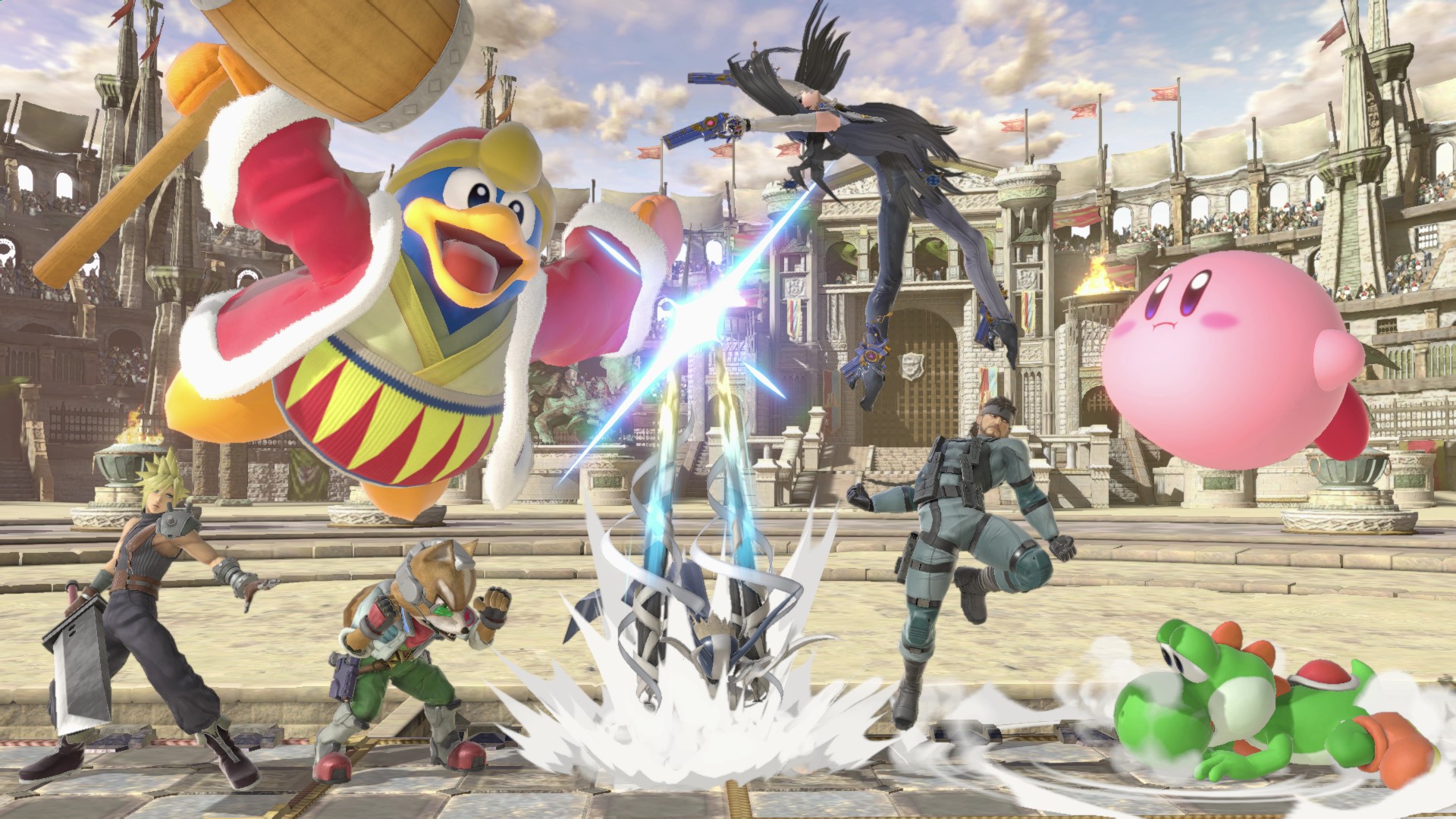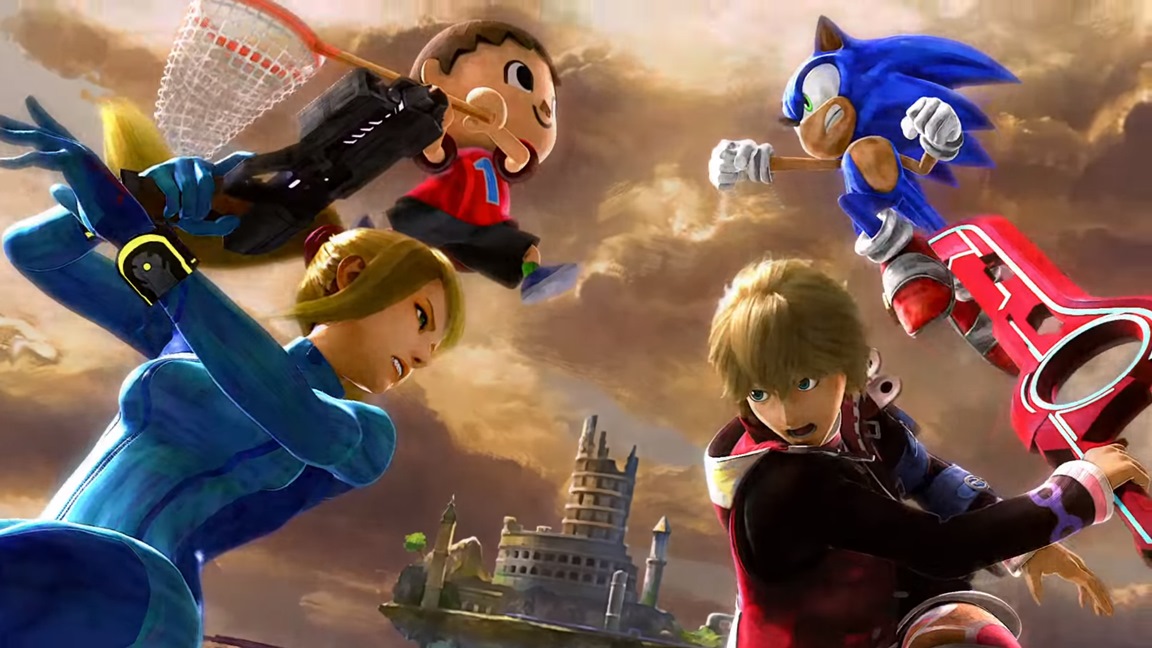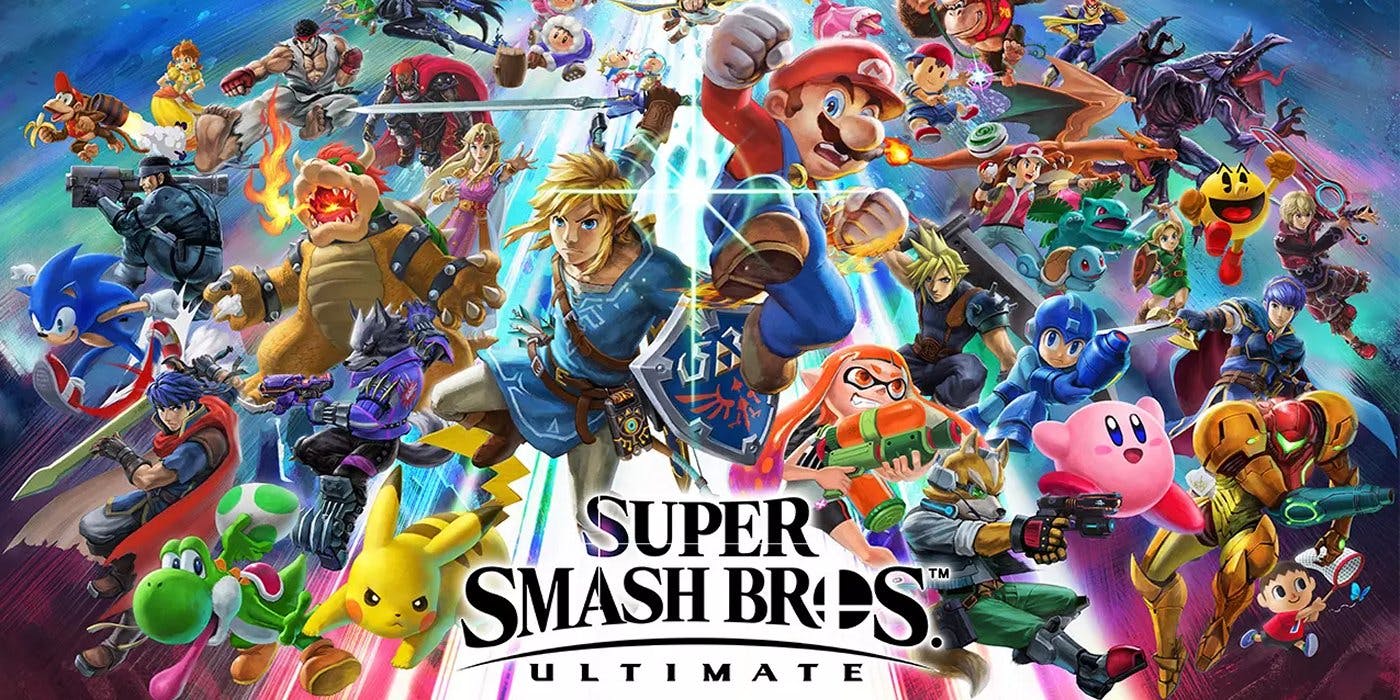

Super Smash Bros. remains one of Nintendo’s most enduring and popular franchises, spanning multiple entries across platforms from the Nintendo 64 to the Nintendo Switch.
The series has generated a dedicated competitive community around titles such as Super Smash Bros.
Melee (GameCube) and Super Smash Bros.
Ultimate (Switch), but professional players and organizers have long argued that the scene operates with minimal direct support from Nintendo.
Following his performance at Smash Summit 9, Juan “HungryBox” DeBiedma — widely regarded as one of the world’s top Melee competitors — publicly urged Nintendo to provide more formal backing for the Smash community.
He emphasized that players and organizers sustain the ecosystem largely through grassroots efforts: streaming content daily, fundraising to host events like Smash Summit, and building audience interest without the same corporate resources that support other major esports titles.
HungryBox argued that even modest, official support for Melee or Super Smash Bros.
Ultimate would validate the community’s efforts and amplify the cultural appreciation Nintendo receives in return.
He pointed to high-profile celebrations and promotional investments made on behalf of other franchises as models of how official backing can boost a scene’s visibility.
Nintendo’s leadership has articulated a different perspective.
Series creator Masahiro Sakurai has said that the ethos of professional esports — where competition is driven by prize money — does not align with Nintendo’s broader philosophy for its games.
Nintendo president Shuntaro Furukawa reiterated that the company is not opposed to esports but prioritizes making games accessible to players of varying ages and experiences, and that Nintendo’s strengths lie in a worldview that differs from emphasizing large prize pools.
Prize comparisons underline the gap between the Smash scene and some esports spectacles: Kyle “Bugha” Giersdorf, the 2019 Fortnite World Cup winner, received $3 million for his victory, and even lower placements at that event earned six-figure sums.
By contrast, the largest single-tournament payout recorded for a Melee event remains the $29,315.30 won by DeBiedma at Smash Summit 5 in November 2017.
Nintendo has hosted competitive events tied to marketing campaigns for its titles in the past, but much of the Super Smash Bros. tournament ecosystem continues to be community-driven.
As the conversation between top players and Nintendo’s executives continues, the future of formal support for Smash esports will remain a closely watched topic within the competitive gaming and Nintendo communities.