
Masahiro Sakurai, the creator behind Kirby and director of the Super Smash Bros. series, recently discussed creativity and player expectations in a wide-ranging interview with DenfaminicoGamer.
The conversation — translated for Nintendo Everything by SatsumaFS, Philip Proctor and Simon Griffin — offers a clear look at how Sakurai balances originality against commercial realities and why Super Smash Bros., released for the Nintendo 64 in 1999, took an atypical approach to the fighting genre.
Sakurai told the interviewer that while originality is not the highest determinant of whether a game will sell, he still prioritizes adding distinctive elements where possible.
Paraphrasing his remarks: he believes that if a new title is merely the same as an established game, players are better off playing the original.
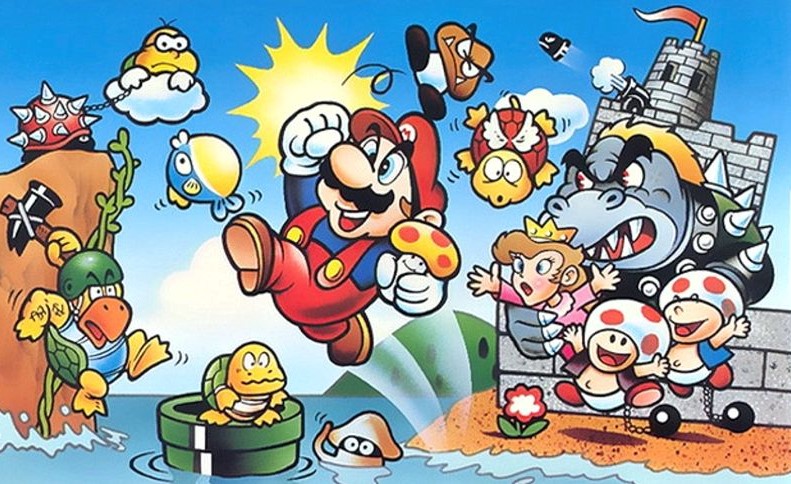
He used Kirby (first released as Kirby's Dream Land on Game Boy in 1992, developed by HAL Laboratory) as an example — Kirby needed to depart from the exact Super Mario Bros. side-scrolling formula in order to justify its existence.
He also explained that small changes to a familiar series can provoke a negative reaction because players expect a particular "feel" from established franchises.
In Sakurai’s words, players ‘‘expect things to be as they expect them,’’ and if a game deviates from that expectation it can initially feel off, even if the change has its own merits.
He compared that reaction to tasting a familiar dish that has been altered: before a player recognizes the new appeal, they may register aversion.
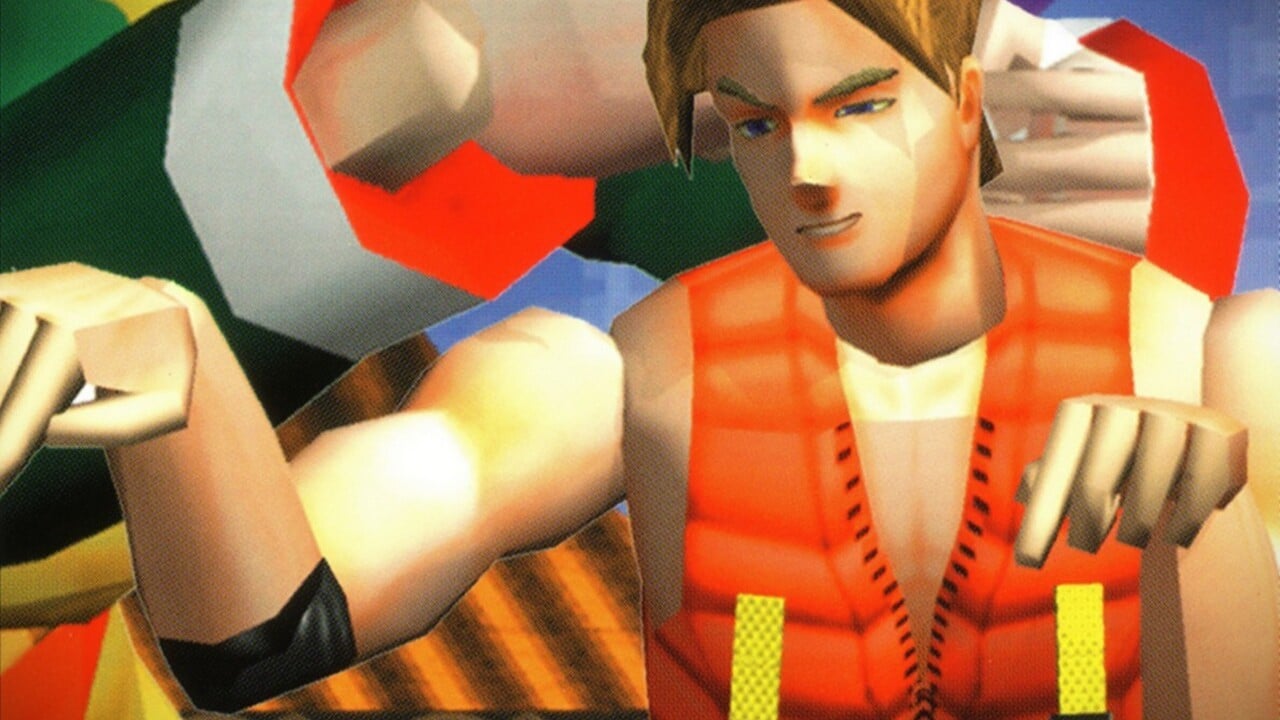
On Super Smash Bros., Sakurai argued that the series’ survival was contingent on rejecting conventional fighting-game rules.
Rather than standard one-on-one health bars and KOs, the original Smash introduced percentage-based damage and positioning-driven knockbacks — design choices Sakurai believed provided fresh hooks.
He said that had Smash followed normal fighting conventions, it likely would have been dismissed as a novelty and not continued as a franchise.
Indeed, he recalled that early reactions included criticism from players who could not reconcile Smash’s differences with established fighters such as Street Fighter II (1991) and Virtua Fighter (1993).
Sakurai named several of his other projects that faced similar initial resistance — Meteos (Q Entertainment, Nintendo DS, 2005), Kid Icarus: Uprising (Sora Ltd./Nintendo, Nintendo 3DS, 2012), Kirby Air Ride (GameCube, 2003) — noting the persistent challenge of communicating intentional innovation to teams and players alike.
He also touched briefly on concerns that AI-driven design could contribute to unoriginal or unplayable games.
This interview underscores Sakurai’s long-running commitment to gameplay individuality.
Though originality may be a lower commercial priority in his view, it remains central to how he conceives and defends unconventional design choices — particularly for landmark titles such as Super Smash Bros.