

Super Smash Bros.
Melee 3D: Modder retools 2001 GameCube classic into a navigable 3D arena
Super Smash Bros.
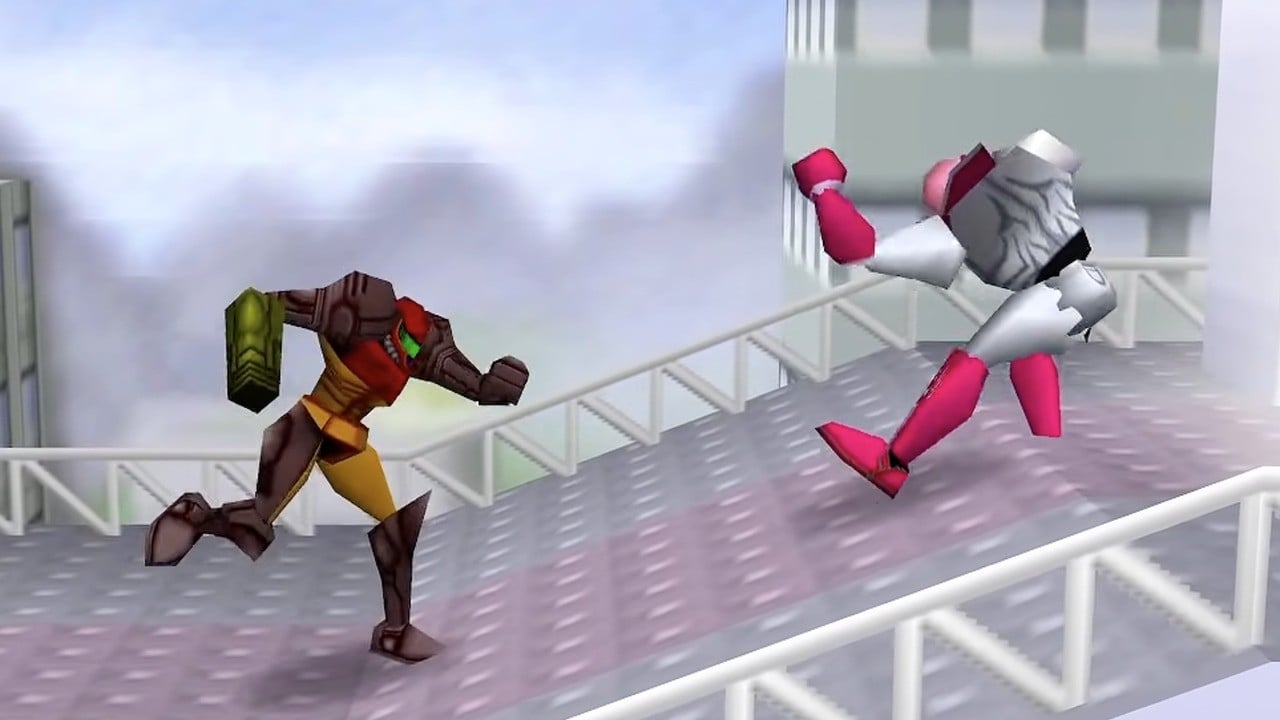
Melee 3D is a fan-made modification that reimagines Super Smash Bros.
Melee — the 2001 GameCube fighting game developed by HAL Laboratory and directed by Masahiro Sakurai — as a fully navigable 3D arena fighter.
Created by programmer Aidan Walz, the mod shifts Melee’s traditionally 2D, side-on stages into environments where characters can move and attack in all directions, similar in feel to arena fighters such as Power Stone or Dragon Ball: Sparking!
Zero.
What the mod changes and how it plays
Melee 3D introduces true three-dimensional movement across stages, including the ability for fighters to grab ledges on any side of a stage and for attacks to send opponents into the foreground or background.
The rework preserves Melee’s character roster and core mechanics while expanding spatial options for movement and positioning.
A GitHub repository hosts the mod files and step-by-step setup instructions for users who want to install and test the build on supported hardware and emulation setups.
Included stages and future updates
The initial release of Melee 3D includes nine adapted stages: Dream Land, Final Destination, Fountain of Dreams, Green Greens, Mute City, Onett, Pokémon Stadium, Yoshi’s Island, and Yoshi’s Story.
Walz has told the mod’s Discord community that additional stages are planned for future updates, indicating ongoing development and community-driven expansion.
Distribution and community context
Walz’s project is distributed via GitHub and accompanied by demonstration videos, including a gameplay showcase and a “How to Play” segment styled after Melee’s official tutorial.
The mod joins a long tradition of Super Smash Bros. community projects — from competitive preservation efforts around Melee to large-scale mods like Project M — showing continued interest in adapting and extending Nintendo’s fighting franchise.
For developers and modders, Melee 3D is a technical example of how legacy engine work and animation systems can be adapted to new spatial paradigms.
For players, it offers a fresh way to experience a GameCube-era classic while remaining grounded in Melee’s established mechanics.