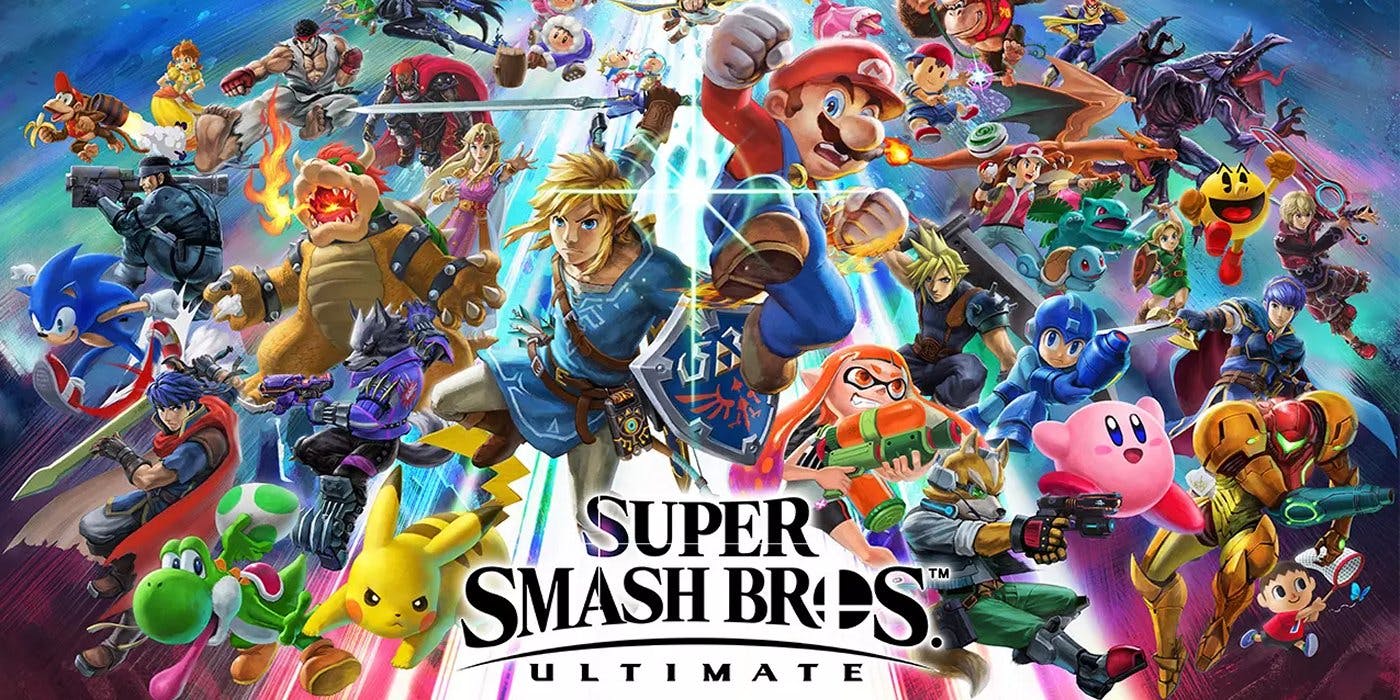
Super Smash Bros.
Melee 25th Anniversary: GameCube Best-Seller and Enduring Competitive Legacy
Super Smash Bros.
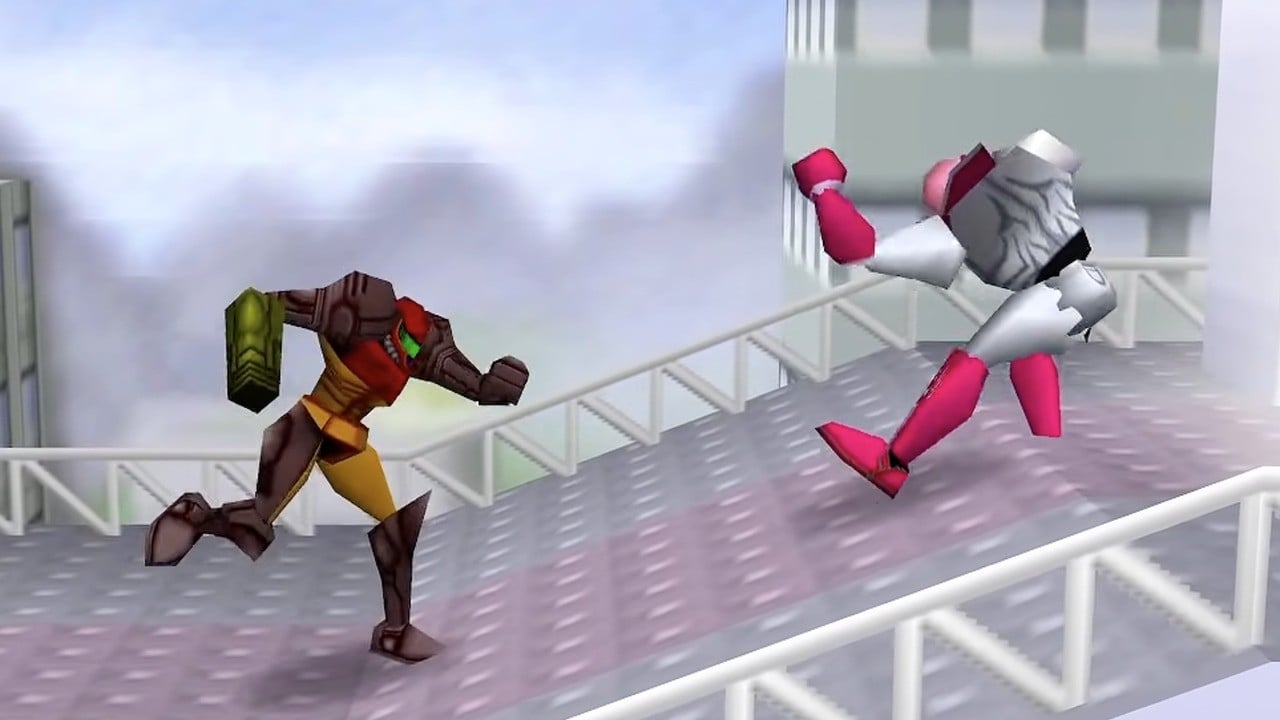
Melee, developed under the direction of Masahiro Sakurai with HAL Laboratory and published by Nintendo, celebrates its 25th anniversary this year.
The GameCube fighter first launched in Japan on November 21, 2001, before arriving in North America on December 3, 2001, and later in Europe and Australia.
Melee followed the original 1999 Super Smash Bros. on the Nintendo 64 and introduced a faster, more technical take on the series that helped define modern competitive play.
Commercial milestones and platform history
Nintendo's official figures list Super Smash Bros.
Melee as the GameCube's best-selling title, with global sales topping seven million copies.
The GameCube itself sold approximately 21.74 million units during its lifetime, making Melee a standout success on the platform.
Legacy in competitive play and hardware
Melee's balance and physics fostered a deeply technical competitive scene that has persisted for decades.
The title remains a fixture at grassroots and major tournaments worldwide, with long-running player careers and evolving metagame strategies.
High-profile competitors such as Juan "Hungrybox" Debiedma, known for his Jigglypuff play, continue to be associated with Melee events.
The game's influence extended to hardware decisions: Melee's popularity prompted Nintendo to reissue GameCube controllers and support their use with later Super Smash Bros. releases, reflecting the controller's enduring popularity among competitive players.
Attributions and contemporary context
As noted by Nintendo Life, Melee's milestone anniversary has reignited discussion among fans and press about potential re-releases or placements within Nintendo's modern services.
Nintendo Life suggested that the 25th anniversary would be an apt moment for Nintendo to consider adding Melee to future GameCube libraries for upcoming hardware.
Those observations represent commentary from a reputable outlet; Nintendo has not announced any official re-release tied to the anniversary.
Why Melee still matters
Melee's combination of tight mechanics, diverse roster, and community-driven tournament scene has kept it relevant far beyond the GameCube era.
For industry observers and developers, Melee is frequently cited as an example of how deep mechanical design and an engaged player base can sustain a game's relevance across console generations.
As the anniversary is marked around the world—late November in Japan and early December in North America—Melee's place in Nintendo history remains secure: a commercial flagship for the GameCube and a competitive title whose influence can still be seen in modern Smash releases and the broader fighting-game community.