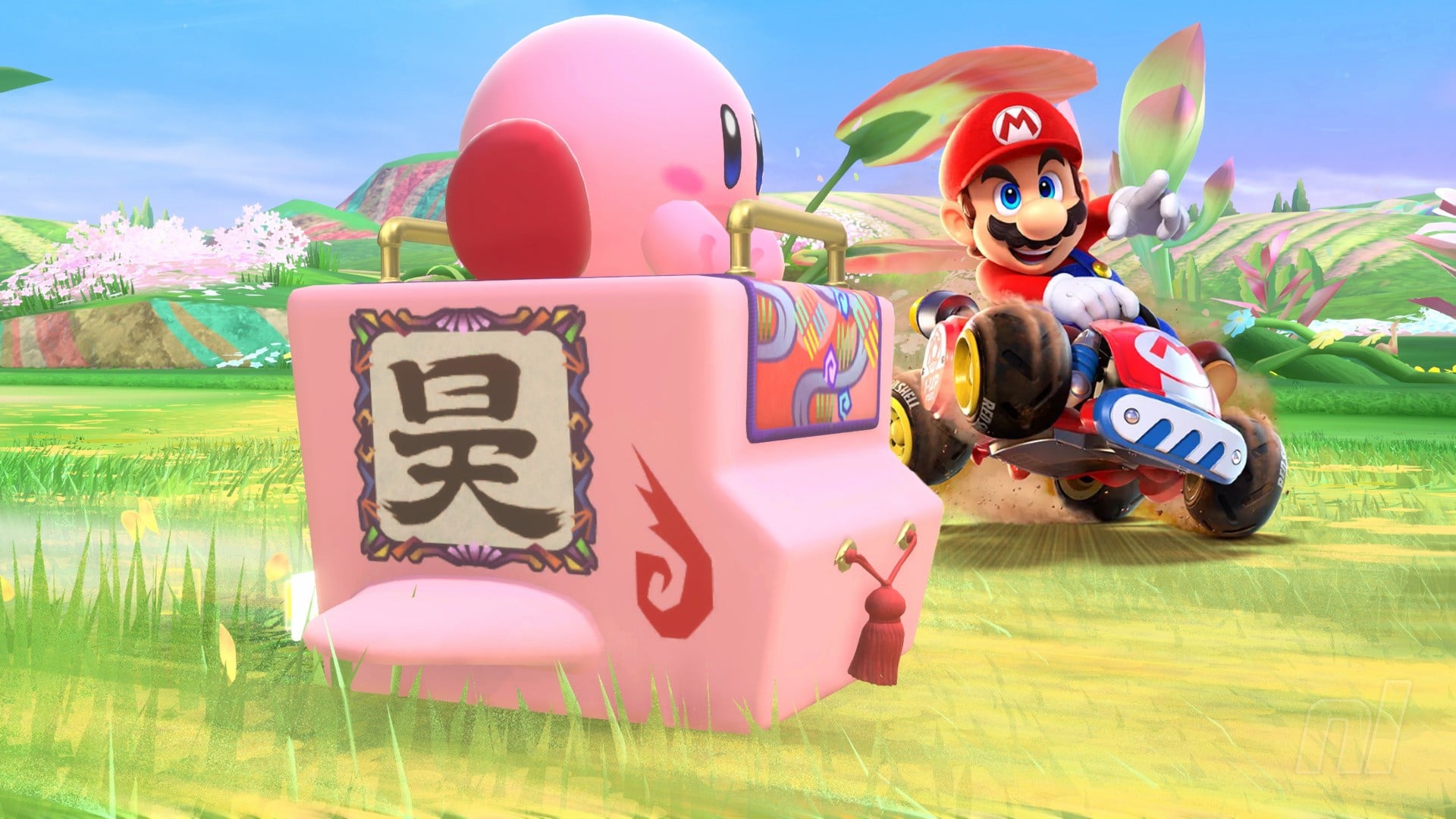
Nintendo continues to hold an unshakeable grip on the Japanese gaming market, as shown in the latest physical sales data released by Famitsu for the week ending November 30. Mario Kart World, the acclaimed racing title on Nintendo Switch 2, reclaimed the number one position in game sales after briefly yielding to Kirby Air Riders. The persistent popularity of Mario Kart World demonstrates Nintendo’s enduring franchise appeal, underscored by its staggering lifetime sales surpassing 2.25 million units on Switch 2 alone.
Kirby Air Riders, having led the charts last week, maintained strong momentum to secure the number two spot with over 46,000 units sold—an impressive figure for HAL Laboratory’s whimsical racer, now at 241,881 cumulative sales. Yet, Mario Kart World’s broad family-friendly reach propelled it back on top, moving nearly 50,000 additional retail copies and reflecting the game’s long-term success across every platform iteration.
Close behind, Pokémon Legends: Z-A managed strong multi-platform performance with over 1.3 million total units sold on the original Switch and an additional 818,046 sales on Switch 2, further solidifying the Pokémon brand’s dominance in the region. Konami’s Momotaro Dentetsu 2: Anata no Machi mo Kitto Aru – Higashi Nihon Hen + Nishi Nihon Hen continues to enjoy robust support, bolstering both Switch and Switch 2 software charts with a combined lifetime sales well above 230,000 units. Hyrule Warriors: Age of Imprisonment also remained in the top ten, holding position seven with a tenacious fanbase contributing to its 109,768 units sold on Switch 2.
In terms of enduring popularity, Mojang’s Minecraft saw 7,368 additional sales—pushing its all-time Switch tally beyond 4 million. Dragon Quest I & II HD-2D Remake and Animal Crossing: New Horizons round out the rankings, underscoring the staying power of these evergreen franchises on Nintendo hardware.
Looking at hardware, Nintendo Switch 2 once again dominated sales, shifting an impressive 97,677 units over the period and bringing its lifetime total to nearly 3 million. The Switch OLED remained a strong performer with 16,004 units, and the enduring Switch Lite model added 12,896 more. Although competition from Sony remains tight—PlayStation 5 and its variants combined for 35,786 units, only narrowly edging out the combined sales of standard Switch, OLED, and Lite models (35,327)—Nintendo’s hardware ecosystem maintains a leading market share.
Konami and Nintendo, along with key developers like HAL Laboratory and Game Freak, have consistently demonstrated their games’ broad consumer appeal in Japan. The cumulative software and hardware milestones achieved this month reflect a robust and resilient market, with physical retail remaining a critical avenue for game adoption—even as digital eShop sales continue to grow.
For an audience versed in the intricacies of the Japanese video game sector, these charts reinforce the Nintendo Switch platform’s continued success and the unwavering legacy of its flagship franchises. As major releases and hardware refreshes impact upcoming charts, Nintendo enthusiasts and industry observers alike will be closely tracking whether Mario Kart World and its high-performing peers can sustain this remarkable sales momentum.
Mario Kart World Dominates Japanese Sales as Nintendo Switch 2 Hardware Charts Surge
Nintendo News Hub
Game Pages Mentioned In This Article
Use these Nintendo Switch game pages to keep exploring the titles connected to this story, including related genres, developers, screenshots, and more coverage.

Mario Kart World
Nintendo · Action · 2025
View game page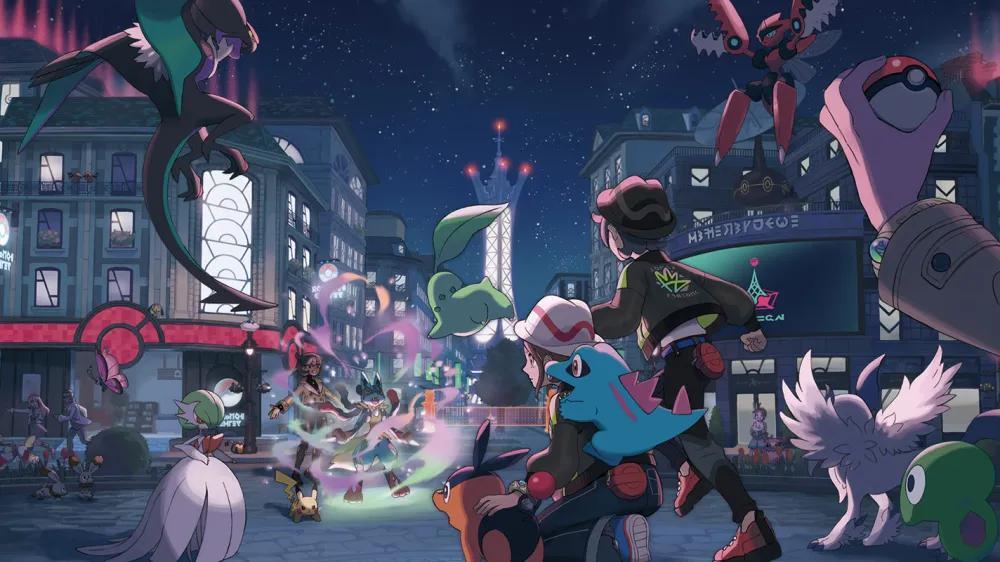
Pokémon Legends: Z-A
Game Freak · Adventure · 2025
View game page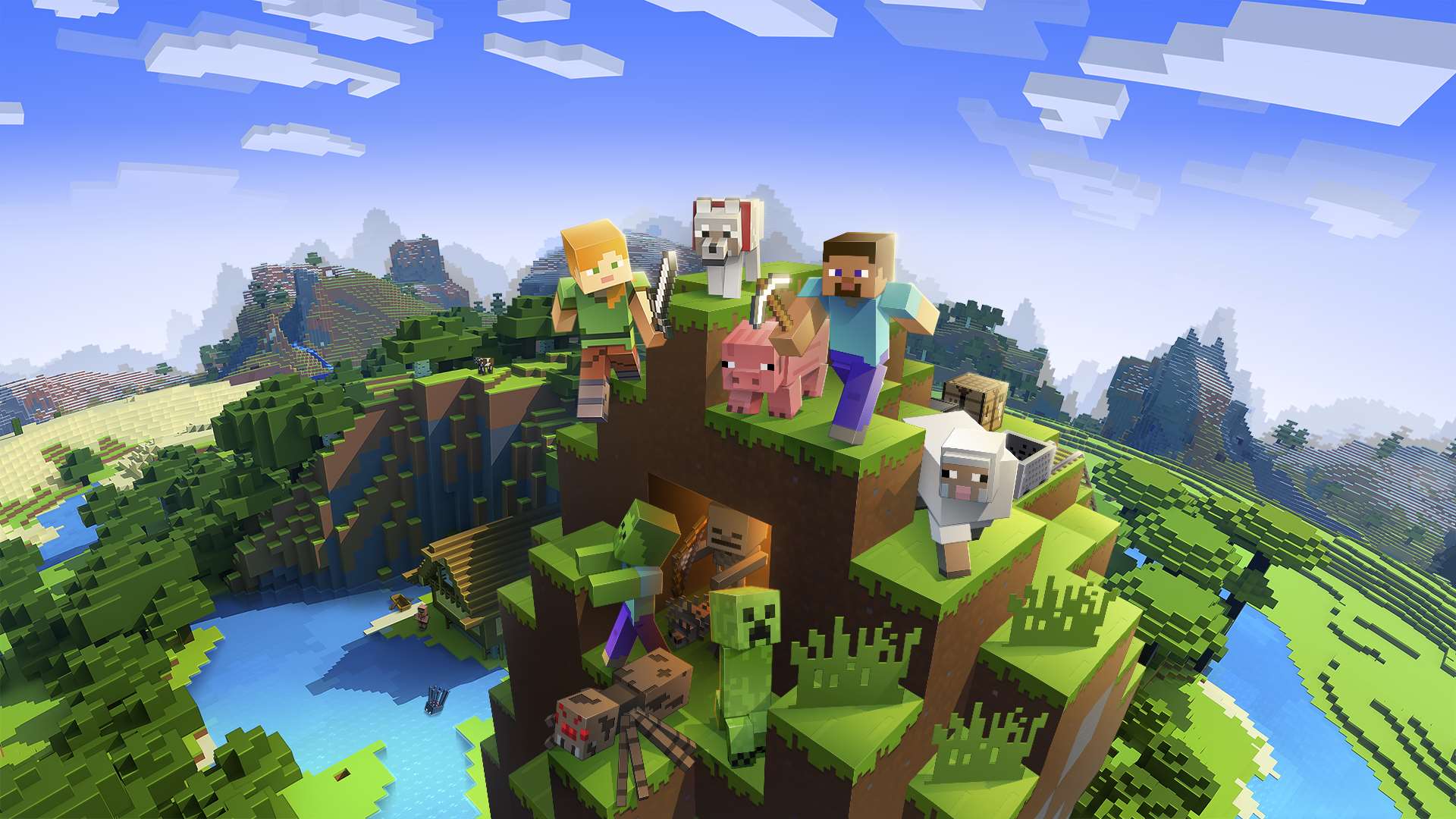
Minecraft
4J Studios · Action · 2009
View game page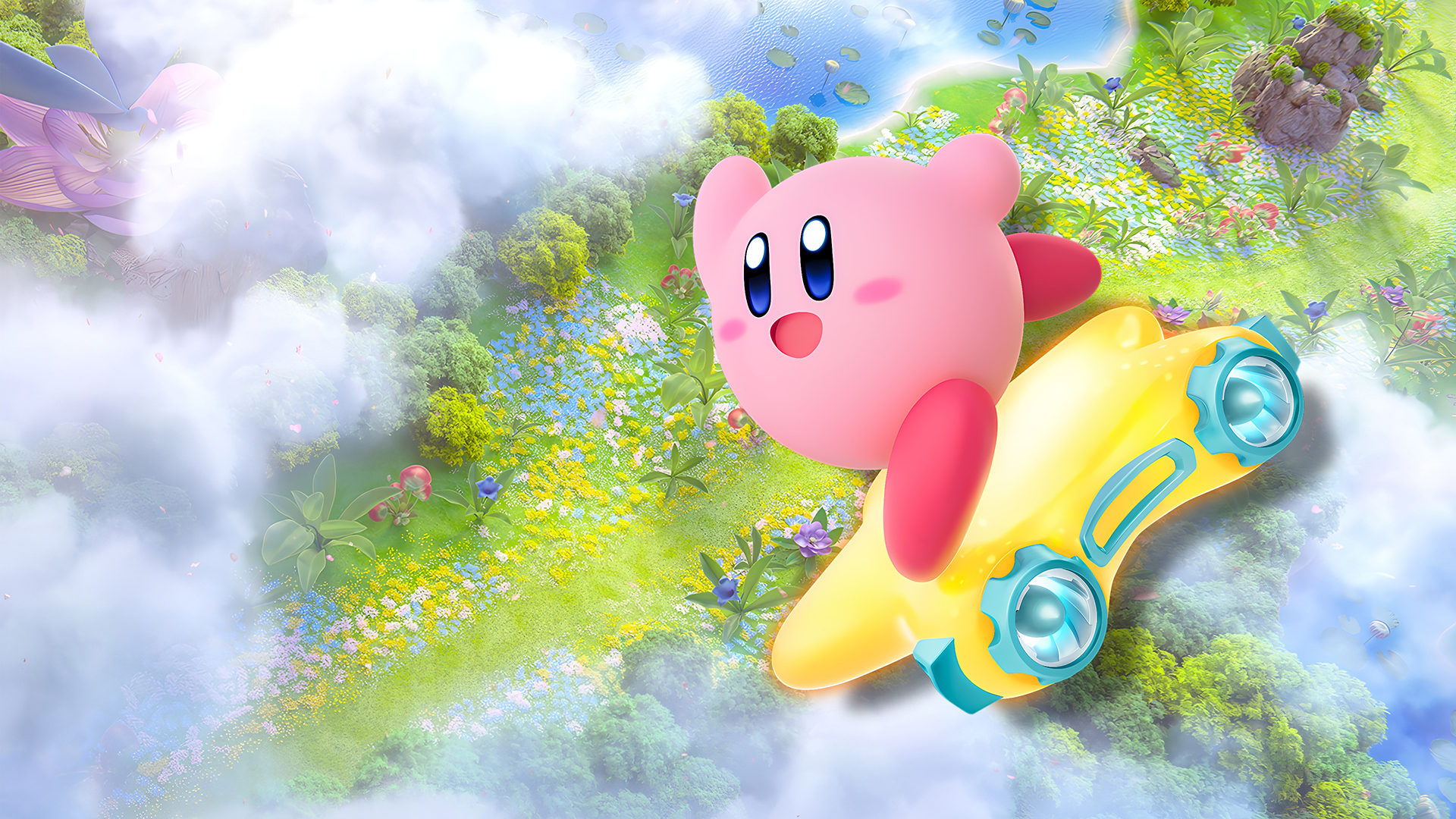
Kirby Air Riders
Action · 2025
View game page
I, Zombie
Awesome Games Studio · Action · 2014
View game page
Hyrule Warriors: Age of Imprisonment
Action · 2025
View game pageRelated Topics
Explore more articles about these topics:
Source: NintendoSwitchLife