Metal Gear Solid's vertical box art: how a cover design helped sell a 1998 PlayStation classic
When Konami released Metal Gear Solid on PlayStation in 1998, the game's box art became as talked-about as its gameplay.
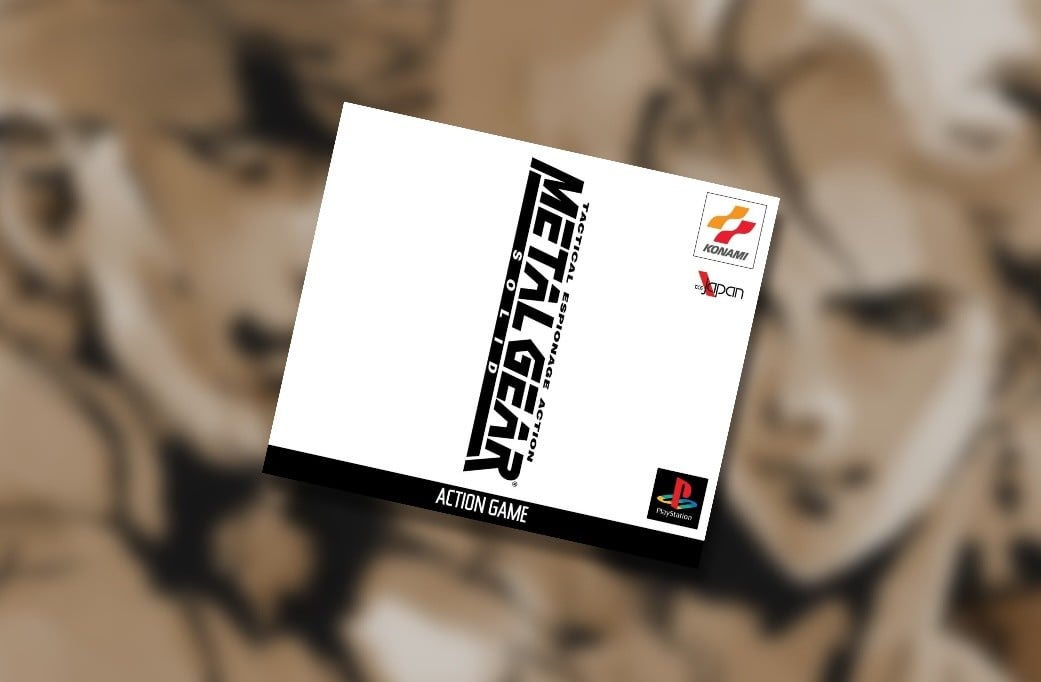
The North American and Japanese covers both featured the game's now-iconic font and the tagline "Tactical Espionage Action," but the Japanese edition stood out for an unusual reason: the title was printed vertically, rotated relative to the PlayStation and Konami logos.
That perpendicular layout ran counter to standard Japanese box design and drew attention on retail shelves.
Hideo Kojima later addressed the design choice on Twitter, explaining that the vertical lettering was intentional and crafted to provoke interaction.
Kojima said the rotated title encouraged customers to pick the case up out of curiosity or to set it 'right side up,' and once a potential buyer handled the product, the likelihood of purchase increased.
In short, Kojima framed the unconventional typography as a subtle retail engagement tactic that leveraged human curiosity.
Design choices and retail presentation have long played a role in physical game sales, and Metal Gear Solid’s cover is an early example of using packaging as part of a broader marketing plan.
Konami’s PlayStation release arrived at a time when 3D stealth action was still novel to many players.
Despite initial concerns about its marketability, Metal Gear Solid went on to become a global bestseller in 1998, earning critical praise and multiple industry awards and establishing Hideo Kojima and Konami as major forces in modern game design.
The title's legacy extends beyond its original PlayStation launch.
Metal Gear Solid has been reissued and preserved through multiple compilations and digital releases over the years, and elements of the original design — including its striking box art and the "Tactical Espionage Action" branding — remain central to how the game is remembered and marketed in retrospective collections such as Konami's later releases.
For developers and marketers, Metal Gear Solid’s vertical lettering is a concise case study: a small, deliberate design decision that boosted shelf presence, reinforced a game's identity, and complemented its broader messaging.
Kojima’s explanation turns what looks like eccentricity into a clear example of showmanship and retail-savvy design.
When Konami released Metal Gear Solid on PlayStation in 1998, the game's box art became as talked-about as its gameplay.
The North American and Japanese covers both featured the game's now-iconic font and the tagline "Tactical Espionage Action," but the Japanese edition stood out for an unusual reason: the title was printed vertically, rotated relative to the PlayStation and Konami logos.
That perpendicular layout ran counter to standard Japanese box design and drew attention on retail shelves.
Hideo Kojima later addressed the design choice on Twitter, explaining that the vertical lettering was intentional and crafted to provoke interaction.
Kojima said the rotated title encouraged customers to pick the case up out of curiosity or to set it 'right side up,' and once a potential buyer handled the product, the likelihood of purchase increased.
In short, Kojima framed the unconventional typography as a subtle retail engagement tactic that leveraged human curiosity.
Design choices and retail presentation have long played a role in physical game sales, and Metal Gear Solid’s cover is an early example of using packaging as part of a broader marketing plan.
Konami’s PlayStation release arrived at a time when 3D stealth action was still novel to many players.
Despite initial concerns about its marketability, Metal Gear Solid went on to become a global bestseller in 1998, earning critical praise and multiple industry awards and establishing Hideo Kojima and Konami as major forces in modern game design.
The title's legacy extends beyond its original PlayStation launch.
Metal Gear Solid has been reissued and preserved through multiple compilations and digital releases over the years, and elements of the original design — including its striking box art and the "Tactical Espionage Action" branding — remain central to how the game is remembered and marketed in retrospective collections such as Konami's later releases.
For developers and marketers, Metal Gear Solid’s vertical lettering is a concise case study: a small, deliberate design decision that boosted shelf presence, reinforced a game's identity, and complemented its broader messaging.
Kojima’s explanation turns what looks like eccentricity into a clear example of showmanship and retail-savvy design.

![Kingdom Hearts Collection [I–III] Tops Famitsu Charts as Switch 2 Leads Hardware Sales - Nintendo News Article](https://images.nintendolife.com/1866ff454bbcc/1280x720.jpg)