

Super Mario Sunshine remains one of Nintendo's most discussed 3D platformers more than two decades after its GameCube debut.
Developed by Nintendo EAD and published by Nintendo, Sunshine first launched in 2002 for the GameCube (Japan: July 19, 2002; North America: August 26, 2002; Europe: October 4, 2002).
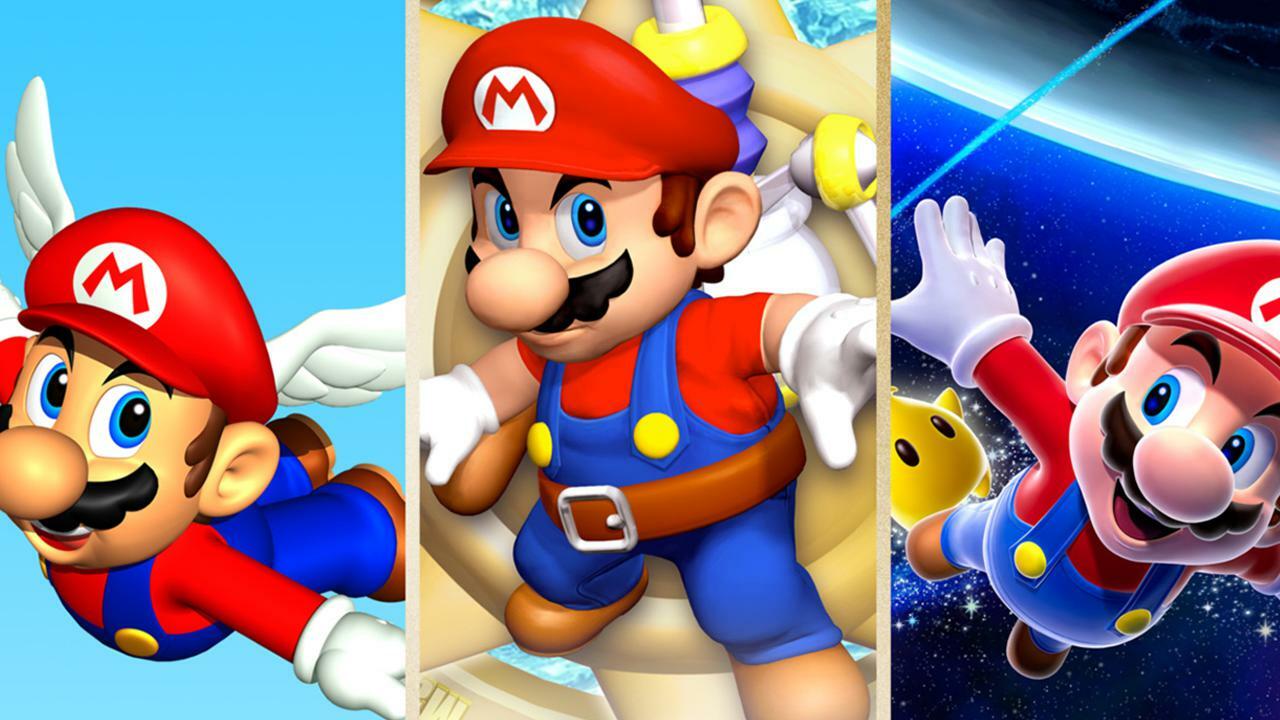
The title returned to modern consoles in the Super Mario 3D All-Stars compilation on Nintendo Switch, released September 18, 2020, which introduced widescreen support and updated visuals for the trilogy.
Sunshine is often remembered for its summer-on-a-tropical-island setting, colorful art direction and the F.L.U.D.D. (Flash Liquidizer Ultra Dousing Device) mechanic that fundamentally changed Mario's movement.
Journalistically restated from firsthand impressions: the game can humble new players quickly, and many longtime fans still find it more demanding than other 3D Mario entries.
Its central hub, Delfino Plaza, and stages such as Bianco Hills and Ricco Harbor remain iconic for their music and distinct level design.
Mechanically, Sunshine pairs traditional 3D Mario movement—triple jumps, side flips, spin jumps and ground slides—with F.L.U.D.D.'s range of options: hover, water slides, spin sprays and rocket boosts.
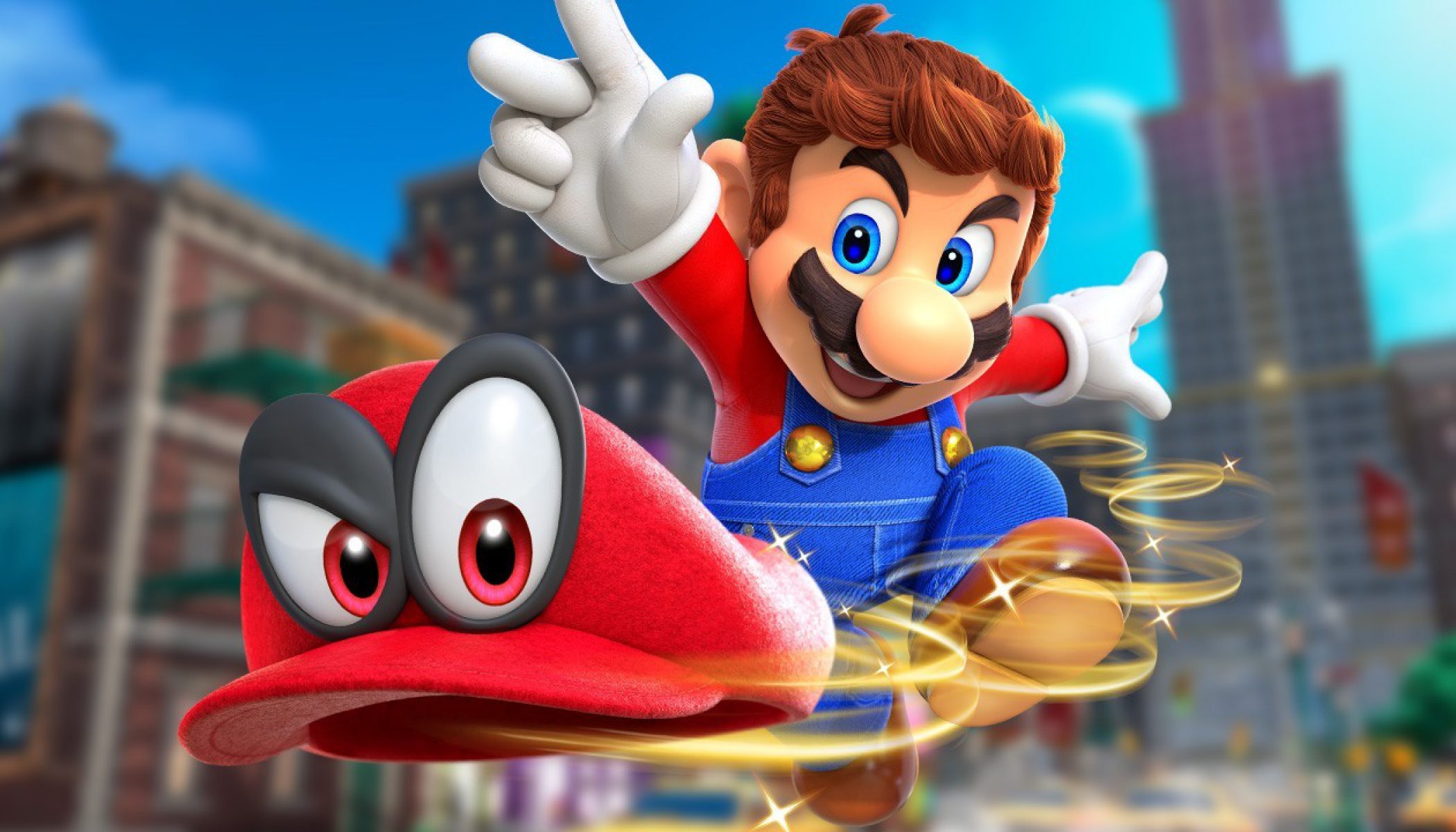
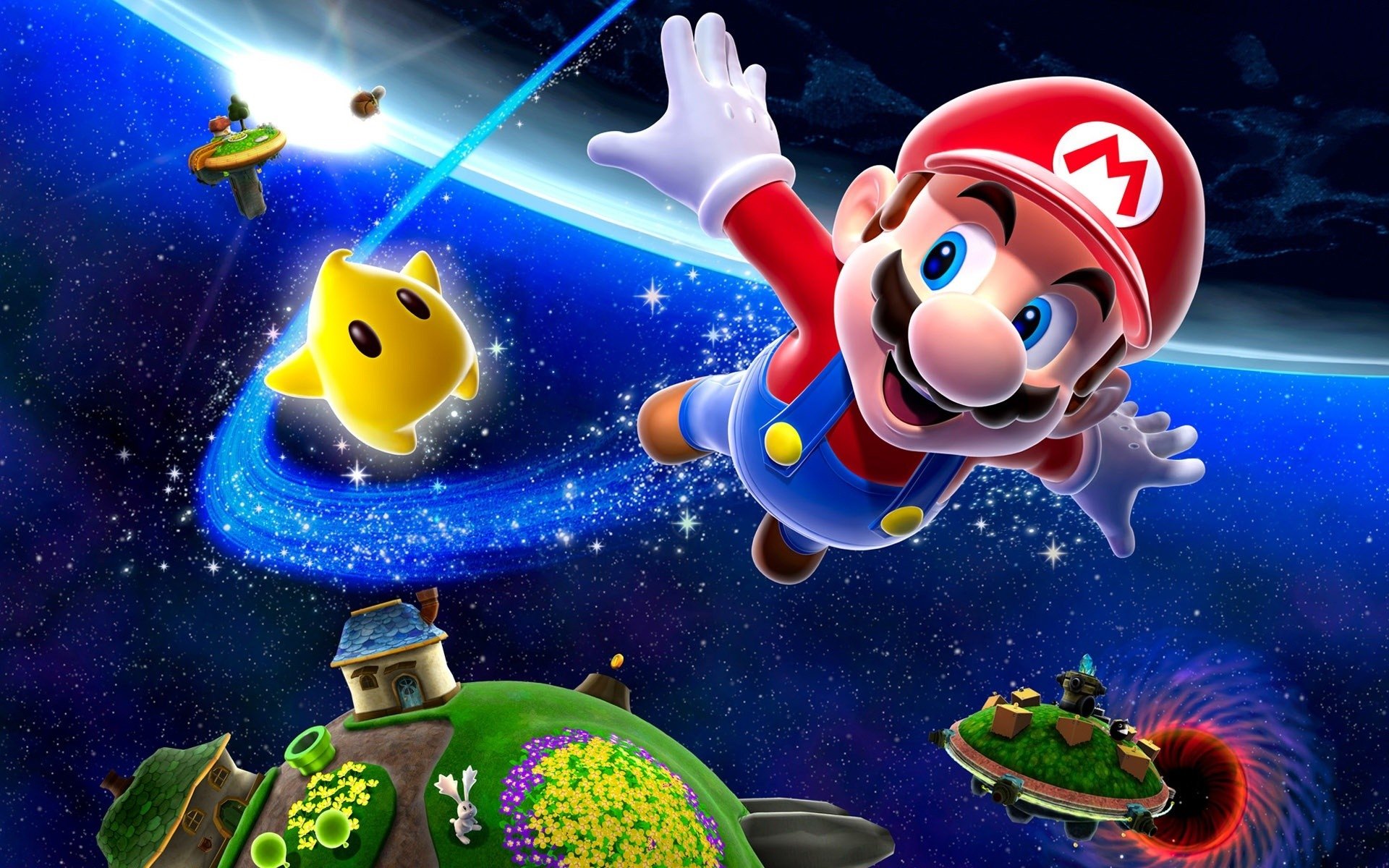
That mix rewards chaining moves and exploration, and it helps explain why many players praise the title's mobility even as others prefer later entries like Super Mario Galaxy or Super Mario Odyssey.
The game contains substantial collectible content: 120 Shine Sprites that drive progression and a large set of Blue Coins used to unlock additional Shines.
Blue Coins are intentionally hidden and often require environmental interaction; they have been a frequent source of player frustration because stages report only a numeric total per area rather than which specific coins remain uncollected.
Sunshine's difficulty curve and design quirks also attract criticism.
The GameCube release runs at 30 frames per second, and some players note camera and control frustrations on precision platforming sections.
Certain gimmick-based missions—rolling giant fruit, timed pachinko-style challenges or tight indoor camera scenarios—can feel unforgiving without practice or tools such as external guides.
Despite these issues, Sunshine's combination of distinctive levels, memorable music and movement depth keeps it relevant for speedrunners, completionists and players revisiting Nintendo's 3D catalog on Switch hardware.
For those new to the title, the 3D All-Stars release remains the most accessible way to experience Super Mario Sunshine's visuals and core gameplay on Nintendo Switch.
Developed by Nintendo EAD and published by Nintendo, Sunshine first launched in 2002 for the GameCube (Japan: July 19, 2002; North America: August 26, 2002; Europe: October 4, 2002).
The title returned to modern consoles in the Super Mario 3D All-Stars compilation on Nintendo Switch, released September 18, 2020, which introduced widescreen support and updated visuals for the trilogy.
Sunshine is often remembered for its summer-on-a-tropical-island setting, colorful art direction and the F.L.U.D.D. (Flash Liquidizer Ultra Dousing Device) mechanic that fundamentally changed Mario's movement.
Journalistically restated from firsthand impressions: the game can humble new players quickly, and many longtime fans still find it more demanding than other 3D Mario entries.
Its central hub, Delfino Plaza, and stages such as Bianco Hills and Ricco Harbor remain iconic for their music and distinct level design.
Mechanically, Sunshine pairs traditional 3D Mario movement—triple jumps, side flips, spin jumps and ground slides—with F.L.U.D.D.'s range of options: hover, water slides, spin sprays and rocket boosts.
That mix rewards chaining moves and exploration, and it helps explain why many players praise the title's mobility even as others prefer later entries like Super Mario Galaxy or Super Mario Odyssey.
The game contains substantial collectible content: 120 Shine Sprites that drive progression and a large set of Blue Coins used to unlock additional Shines.
Blue Coins are intentionally hidden and often require environmental interaction; they have been a frequent source of player frustration because stages report only a numeric total per area rather than which specific coins remain uncollected.
Sunshine's difficulty curve and design quirks also attract criticism.
The GameCube release runs at 30 frames per second, and some players note camera and control frustrations on precision platforming sections.
Certain gimmick-based missions—rolling giant fruit, timed pachinko-style challenges or tight indoor camera scenarios—can feel unforgiving without practice or tools such as external guides.
Despite these issues, Sunshine's combination of distinctive levels, memorable music and movement depth keeps it relevant for speedrunners, completionists and players revisiting Nintendo's 3D catalog on Switch hardware.
For those new to the title, the 3D All-Stars release remains the most accessible way to experience Super Mario Sunshine's visuals and core gameplay on Nintendo Switch.