


A short clip posted on X by user @tyousameYSK has reignited interest in one of Super Mario Bros' most obscure mechanical quirks: a way to rescue the game’s Super Mushroom in World 1-1 by exploiting NES screen behavior.
Super Mario Bros, developed by Nintendo and released for the Nintendo Entertainment System in 1985, remains one of the most influential platformers in video game history and continues to be studied by speedrunners and retro enthusiasts.
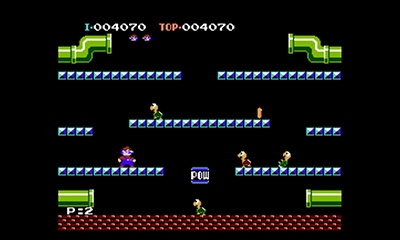
The clip shows Mario positioned on the upper section of the stage as a Super Mushroom falls from a platform and slides toward a pit.
Rather than disappearing, the mushroom reappears and is collected after Mario drops below the visible playfield and overlaps with the item.
The footage appears to rely on a screen wraparound effect that can cause sprites near the screen border to overlap.
Such boundary and wrap behavior has long been documented in NES-era titles and is consistent with how the system handled horizontal and vertical scrolling and sprite rendering.
Rewriting the original poster's reaction in journalistic terms: the user said they were surprised by the number of people accusing the clip of being altered and by how many viewers found the trick unfamiliar.
They also stated they first encountered the move in Keibunsha's Great Encyclopedia, a series of Japanese hobby books from the 1980s that covered video games, anime, and manga.
According to the post, the poster has long known about the trick and did not expect the recent wave of disbelief.
This type of discovery underscores why Super Mario Bros continues to be revisited decades after its 1985 release.
The original NES game has been re-released across multiple Nintendo platforms and is available to subscribers via the Nintendo Switch Online service, where players can experiment with classic stage geometry and legacy behaviors without original hardware.
For developers and preservationists, clips like this highlight the importance of documenting hardware-specific behaviors that can influence in-game outcomes.
For players, it's a reminder that even the most familiar stages can hold surprises.
The mushroom-saving maneuver in World 1-1 is a small but vivid example of how low-level system quirks can produce memorable moments in classic gaming.
Super Mario Bros, developed by Nintendo and released for the Nintendo Entertainment System in 1985, remains one of the most influential platformers in video game history and continues to be studied by speedrunners and retro enthusiasts.
The clip shows Mario positioned on the upper section of the stage as a Super Mushroom falls from a platform and slides toward a pit.
Rather than disappearing, the mushroom reappears and is collected after Mario drops below the visible playfield and overlaps with the item.
The footage appears to rely on a screen wraparound effect that can cause sprites near the screen border to overlap.
Such boundary and wrap behavior has long been documented in NES-era titles and is consistent with how the system handled horizontal and vertical scrolling and sprite rendering.
Rewriting the original poster's reaction in journalistic terms: the user said they were surprised by the number of people accusing the clip of being altered and by how many viewers found the trick unfamiliar.
They also stated they first encountered the move in Keibunsha's Great Encyclopedia, a series of Japanese hobby books from the 1980s that covered video games, anime, and manga.
According to the post, the poster has long known about the trick and did not expect the recent wave of disbelief.
This type of discovery underscores why Super Mario Bros continues to be revisited decades after its 1985 release.
The original NES game has been re-released across multiple Nintendo platforms and is available to subscribers via the Nintendo Switch Online service, where players can experiment with classic stage geometry and legacy behaviors without original hardware.
For developers and preservationists, clips like this highlight the importance of documenting hardware-specific behaviors that can influence in-game outcomes.
For players, it's a reminder that even the most familiar stages can hold surprises.
The mushroom-saving maneuver in World 1-1 is a small but vivid example of how low-level system quirks can produce memorable moments in classic gaming.