



Modern Vintage Gamer's Neo Geo raycaster demo has been modified by members of the retro development community, underscoring how hobbyist engineers continue to push the limits of classic hardware.
The original Neo Geo — released by SNK in 1990 as the AES home console and MVS arcade platform — was built as a 2D sprite powerhouse and was not designed for the kind of true 3D rendering seen in id Software's seminal 1993 first-person shooter DOOM.
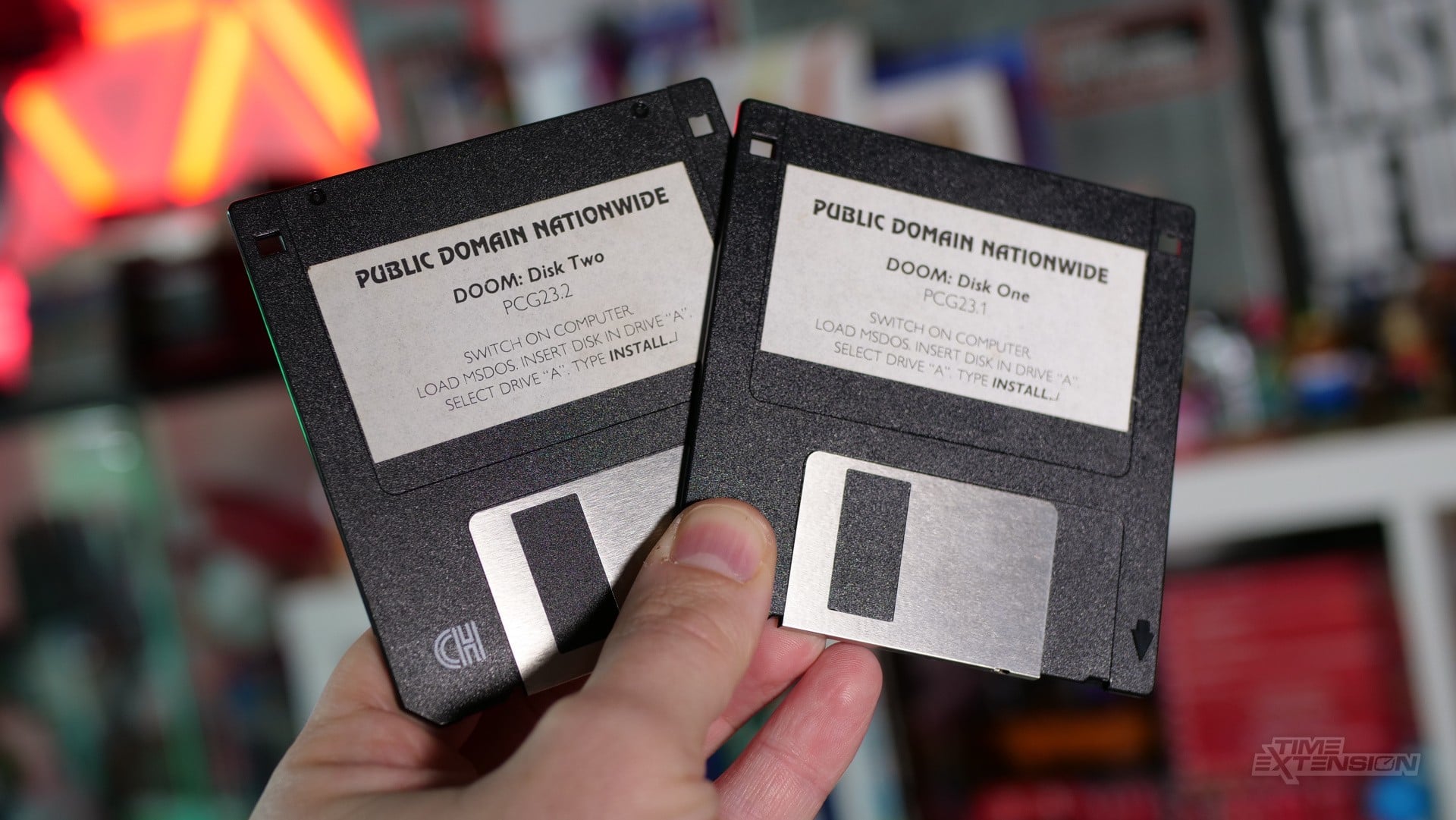
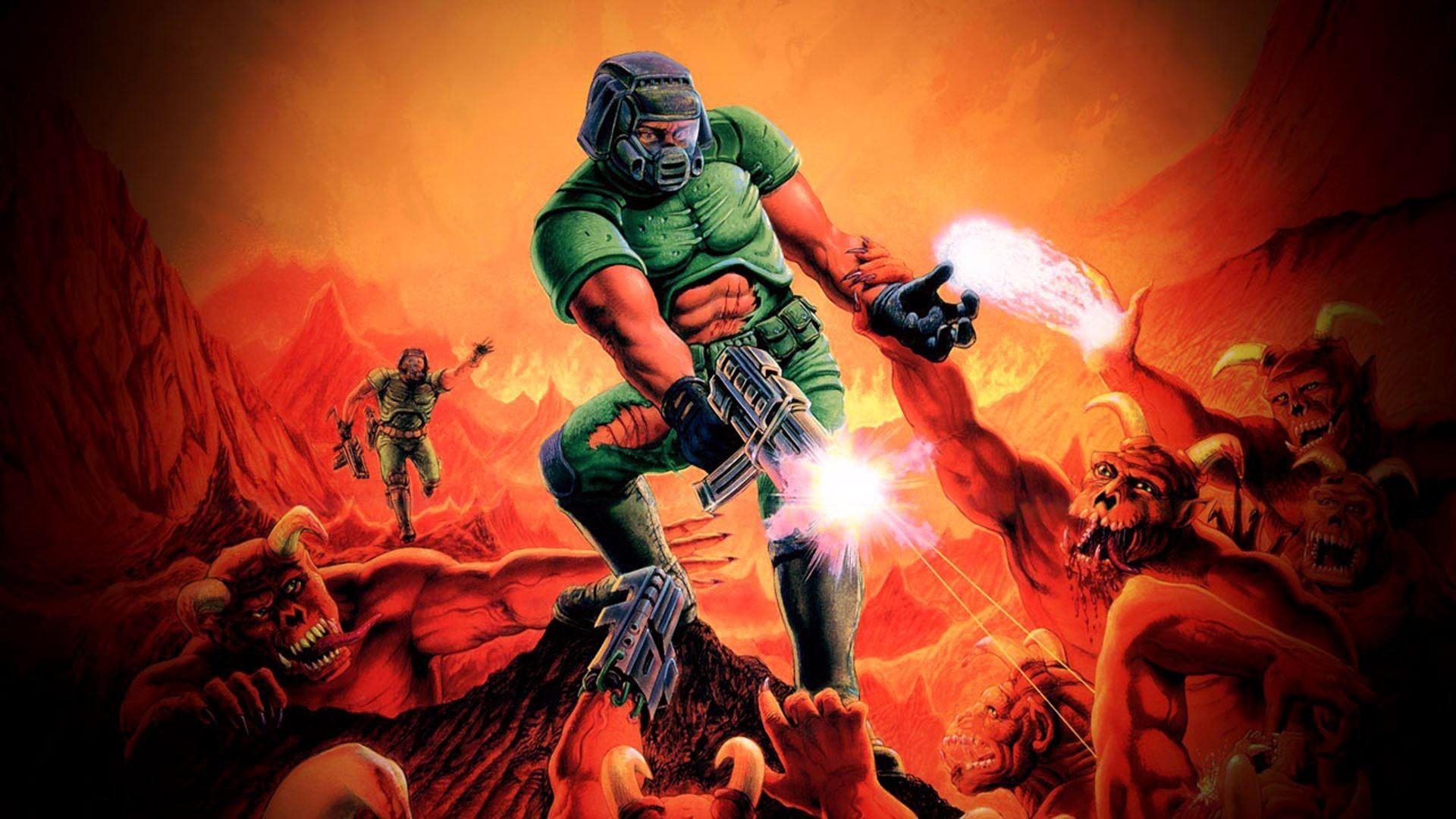
DOOM, released in 1993 by id Software, is widely cited as a milestone in FPS design and has been famously ported or adapted to a vast array of platforms, including modern systems like the Nintendo Switch.
Still, the Neo Geo's architecture prioritized large, high-quality sprites and fast 2D performance rather than polygonal 3D or hardware-accelerated perspective rendering.
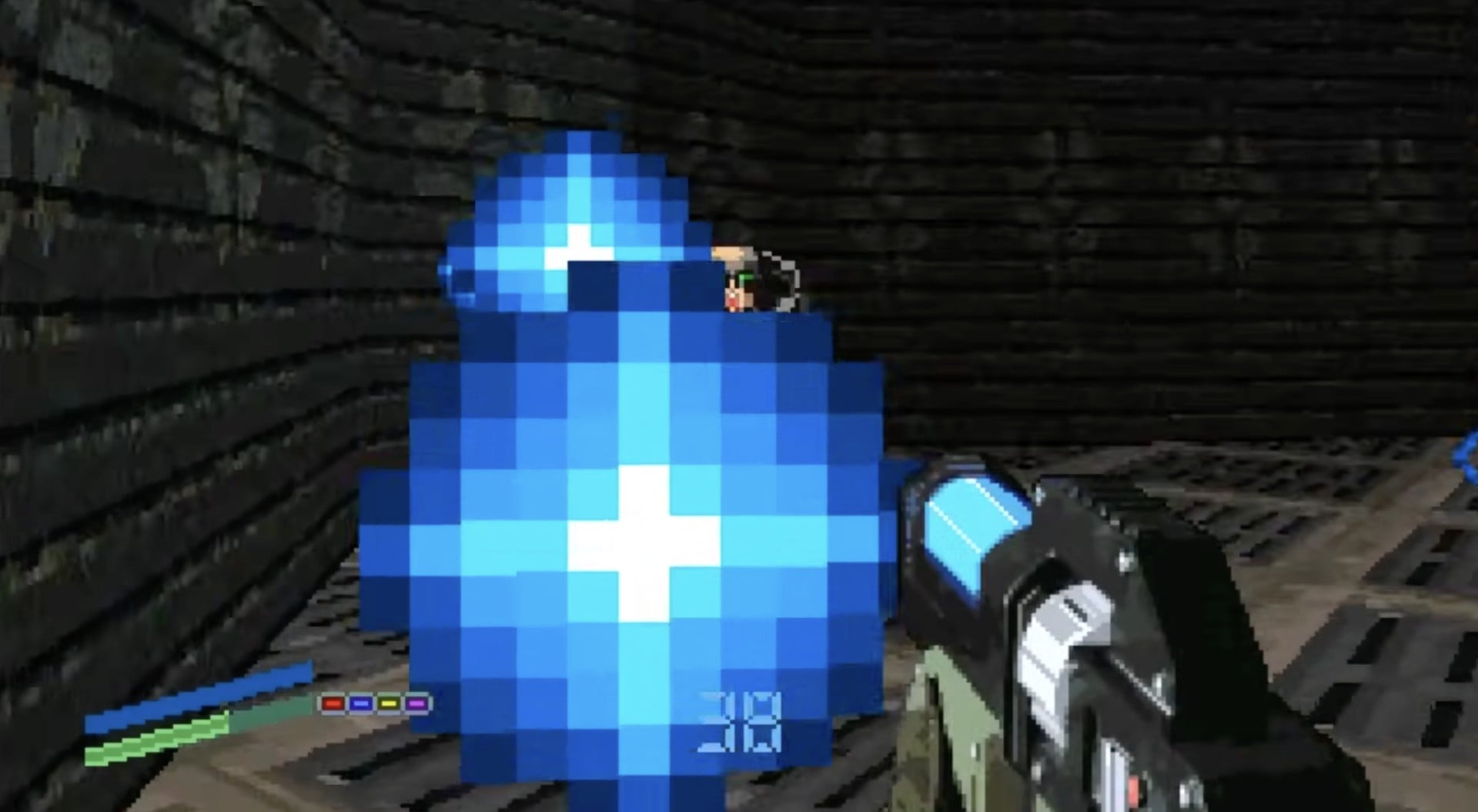
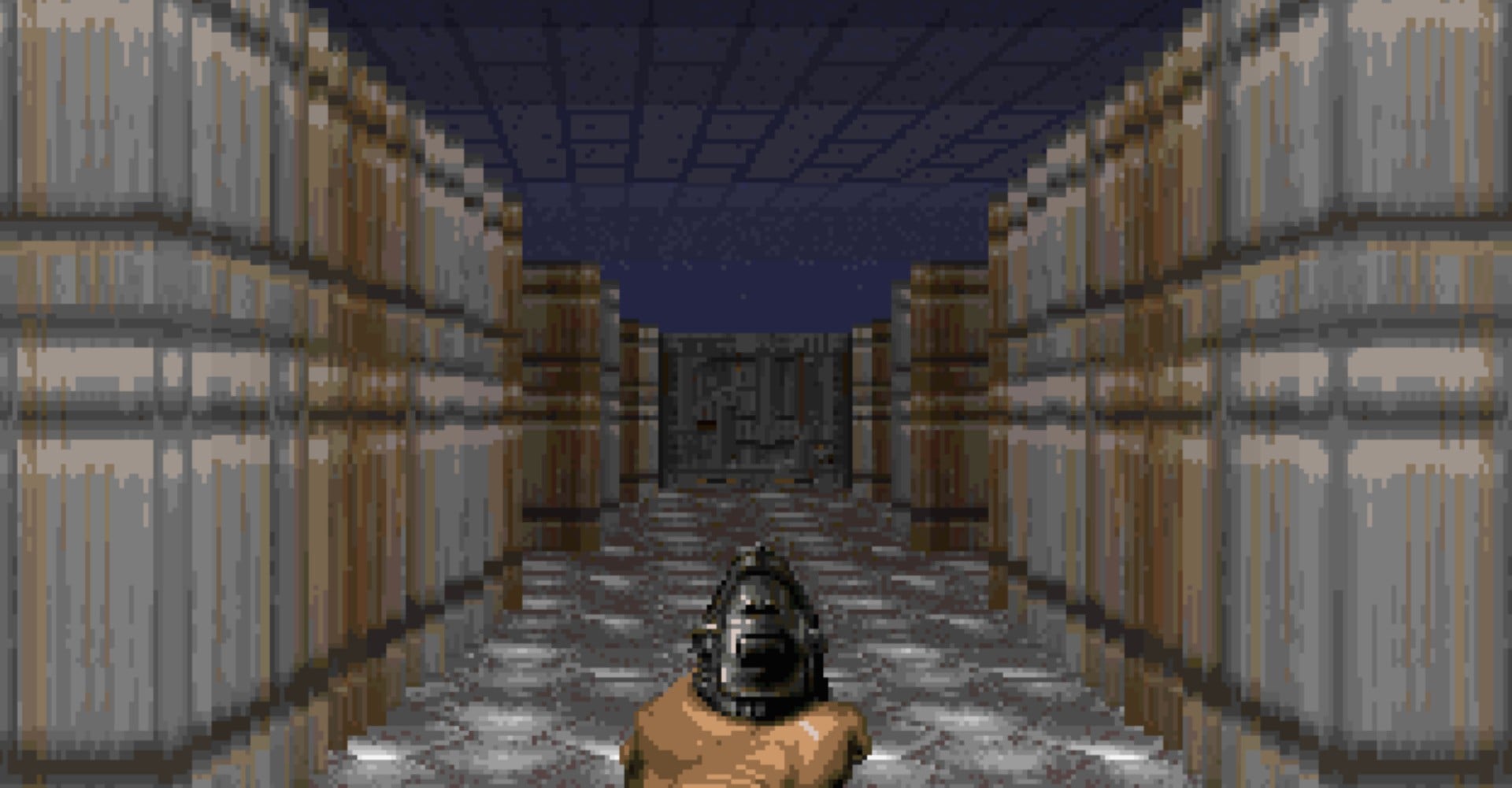
In a recent video, Modern Vintage Gamer (MVG) demonstrated a simple raycasting engine that runs on Neo Geo hardware by using clever hardware tricks and optimized code.
Paraphrasing MVG's findings: DOOM has been shown to run on many platforms, but the Neo Geo's design makes full 3D engines impractical; however, developers can implement a basic raycaster on the system with significant engineering work, raising the question of how close such a demo can get to an authentic DOOM experience on SNK hardware.
Only days after MVG's video was published, community developers began modifying and improving the raycaster demo — a common pattern in retro development where proof-of-concept projects quickly attract contributors who refine performance, add features, or adapt builds for different ROM formats and flash cartridges.
This activity is strictly community-driven and exists outside official channels.
It demonstrates both the enduring interest in id Software's DOOM across platforms and the Neo Geo's continued relevance to retro developers.
While these projects are not official releases and are not distributed through storefronts like the Nintendo eShop or announced on Nintendo Direct, they are part of a broader culture that keeps legacy hardware alive through technical ingenuity.
For readers tracking retro-development milestones: the Neo Geo AES debuted in 1990, DOOM arrived in 1993, and Modern Vintage Gamer's demo serves as a modern example of how enthusiasts can coax unconventional capabilities from classic consoles.
The community modifications to MVG's raycaster are a notable step toward showing what bespoke, low-level programming can achieve on systems not originally intended for 3D rendering.
The original Neo Geo — released by SNK in 1990 as the AES home console and MVS arcade platform — was built as a 2D sprite powerhouse and was not designed for the kind of true 3D rendering seen in id Software's seminal 1993 first-person shooter DOOM.
DOOM, released in 1993 by id Software, is widely cited as a milestone in FPS design and has been famously ported or adapted to a vast array of platforms, including modern systems like the Nintendo Switch.
Still, the Neo Geo's architecture prioritized large, high-quality sprites and fast 2D performance rather than polygonal 3D or hardware-accelerated perspective rendering.
In a recent video, Modern Vintage Gamer (MVG) demonstrated a simple raycasting engine that runs on Neo Geo hardware by using clever hardware tricks and optimized code.
Paraphrasing MVG's findings: DOOM has been shown to run on many platforms, but the Neo Geo's design makes full 3D engines impractical; however, developers can implement a basic raycaster on the system with significant engineering work, raising the question of how close such a demo can get to an authentic DOOM experience on SNK hardware.
Only days after MVG's video was published, community developers began modifying and improving the raycaster demo — a common pattern in retro development where proof-of-concept projects quickly attract contributors who refine performance, add features, or adapt builds for different ROM formats and flash cartridges.
This activity is strictly community-driven and exists outside official channels.
It demonstrates both the enduring interest in id Software's DOOM across platforms and the Neo Geo's continued relevance to retro developers.
While these projects are not official releases and are not distributed through storefronts like the Nintendo eShop or announced on Nintendo Direct, they are part of a broader culture that keeps legacy hardware alive through technical ingenuity.
For readers tracking retro-development milestones: the Neo Geo AES debuted in 1990, DOOM arrived in 1993, and Modern Vintage Gamer's demo serves as a modern example of how enthusiasts can coax unconventional capabilities from classic consoles.
The community modifications to MVG's raycaster are a notable step toward showing what bespoke, low-level programming can achieve on systems not originally intended for 3D rendering.