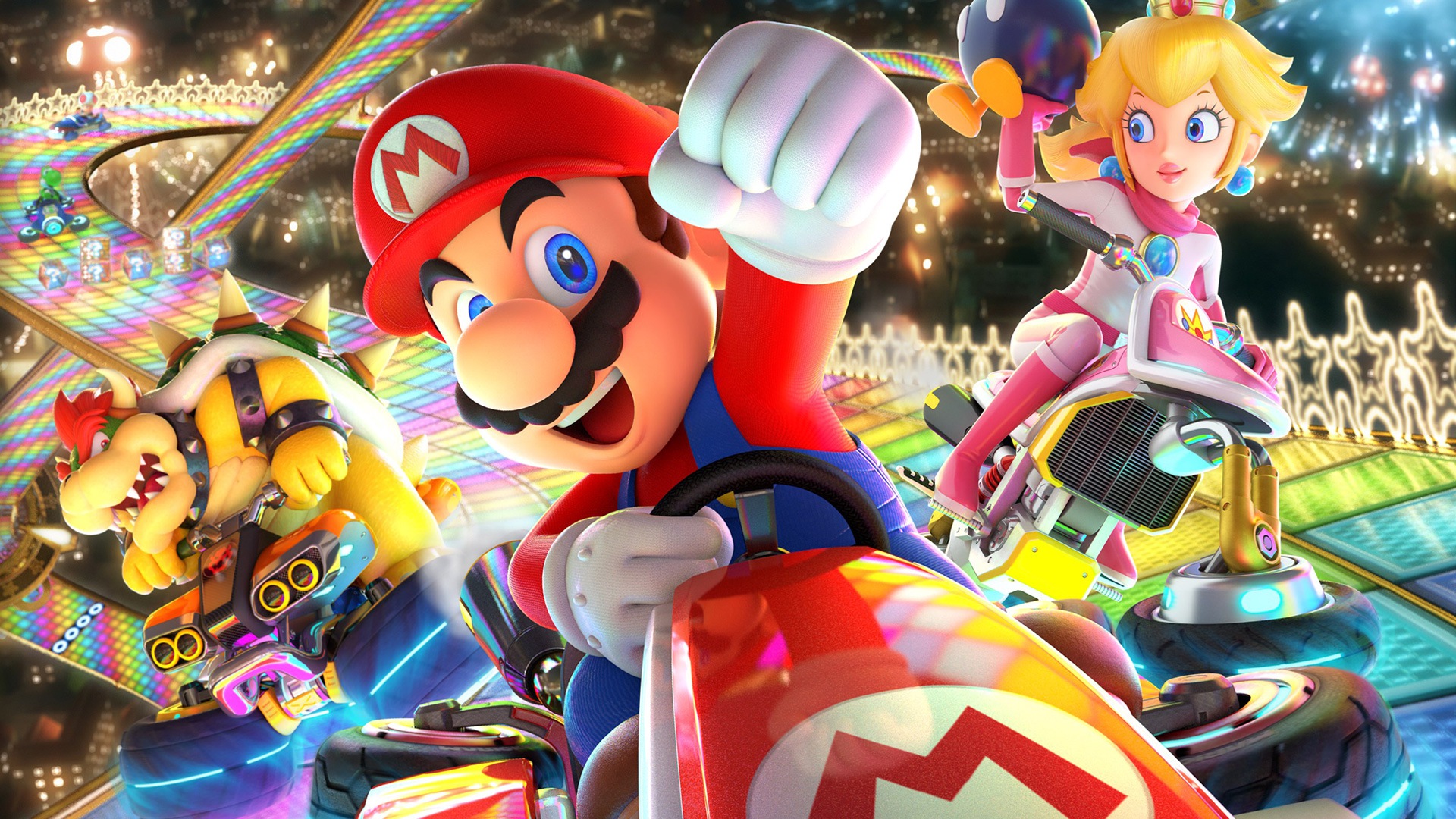
Mario Kart Tour launched as Nintendo’s mobile take on its long-running kart racing series on September 25, 2019.
Developed in collaboration between Nintendo and DeNA for iOS and Android, the free-to-play title ran as a live-service mobile game with microtransactions and randomized driver and item unlock systems common to gacha-style monetization.
Over its run, Mario Kart Tour became notable for offering a steady cadence of themed cups, seasonal content and mobile-specific characters and costumes.
Many of the courses and driver variants introduced on mobile later reappeared in console form: Nintendo brought a large slate of Tour-originated tracks into Mario Kart 8 Deluxe via the Booster Course Pass, a DLC campaign that expanded Mario Kart 8 Deluxe’s track roster in six waves and added a total of 48 additional courses.
Rewritten statement for clarity: When Nintendo ended support for another mobile title and offered a limited offline experience to players, the company made a different choice for its kart racer — Nintendo confirmed there would be no comparable offline build for Mario Kart Tour, meaning the mobile game’s live service nature determines how long its exclusive content remains accessible.
What Mario Kart Tour contributed to the series
- Mobile-first content: Tour introduced many character variants, outfits and remixed tracks crafted for vertical play and short-session sessions.
Several of those courses were remastered and included in Mario Kart 8 Deluxe’s Booster Course Pass, expanding the console game’s content library.
- Influence on DLC strategy: The Booster Course Pass — delivered in multiple waves — brought 48 tracks to Mario Kart 8 Deluxe, making it the most content-rich entry in the franchise and demonstrating how mobile-originated designs can be adapted for console audiences.
- Monetization lessons: As a free-to-play mobile release, Tour highlighted how randomized pulls and paid bundles function in a major Nintendo franchise, sparking industry discussion about player experience and spend mechanics in mobile adaptations of premium series.
Mario Kart Tour was never positioned as a replacement for the core console experience; instead, it operated as a mobile spin-off that left a measurable imprint on later DLC and track selections for console entries.
For players and preservation advocates, the mobile-exclusive nature of some Tour content underlines ongoing questions about long-term access to live-service releases in the games industry.
Have you played Mario Kart Tour?
Share your thoughts on how its content and approach compared to the mainline Mario Kart titles.
Developed in collaboration between Nintendo and DeNA for iOS and Android, the free-to-play title ran as a live-service mobile game with microtransactions and randomized driver and item unlock systems common to gacha-style monetization.
Over its run, Mario Kart Tour became notable for offering a steady cadence of themed cups, seasonal content and mobile-specific characters and costumes.
Many of the courses and driver variants introduced on mobile later reappeared in console form: Nintendo brought a large slate of Tour-originated tracks into Mario Kart 8 Deluxe via the Booster Course Pass, a DLC campaign that expanded Mario Kart 8 Deluxe’s track roster in six waves and added a total of 48 additional courses.
Rewritten statement for clarity: When Nintendo ended support for another mobile title and offered a limited offline experience to players, the company made a different choice for its kart racer — Nintendo confirmed there would be no comparable offline build for Mario Kart Tour, meaning the mobile game’s live service nature determines how long its exclusive content remains accessible.
What Mario Kart Tour contributed to the series
- Mobile-first content: Tour introduced many character variants, outfits and remixed tracks crafted for vertical play and short-session sessions.
Several of those courses were remastered and included in Mario Kart 8 Deluxe’s Booster Course Pass, expanding the console game’s content library.
- Influence on DLC strategy: The Booster Course Pass — delivered in multiple waves — brought 48 tracks to Mario Kart 8 Deluxe, making it the most content-rich entry in the franchise and demonstrating how mobile-originated designs can be adapted for console audiences.
- Monetization lessons: As a free-to-play mobile release, Tour highlighted how randomized pulls and paid bundles function in a major Nintendo franchise, sparking industry discussion about player experience and spend mechanics in mobile adaptations of premium series.
Mario Kart Tour was never positioned as a replacement for the core console experience; instead, it operated as a mobile spin-off that left a measurable imprint on later DLC and track selections for console entries.
For players and preservation advocates, the mobile-exclusive nature of some Tour content underlines ongoing questions about long-term access to live-service releases in the games industry.
Have you played Mario Kart Tour?
Share your thoughts on how its content and approach compared to the mainline Mario Kart titles.