Microsoft’s Xbox SmartGlass announcement at E3 2012 reframed industry discussion about second‑screen features and cross‑device integration.
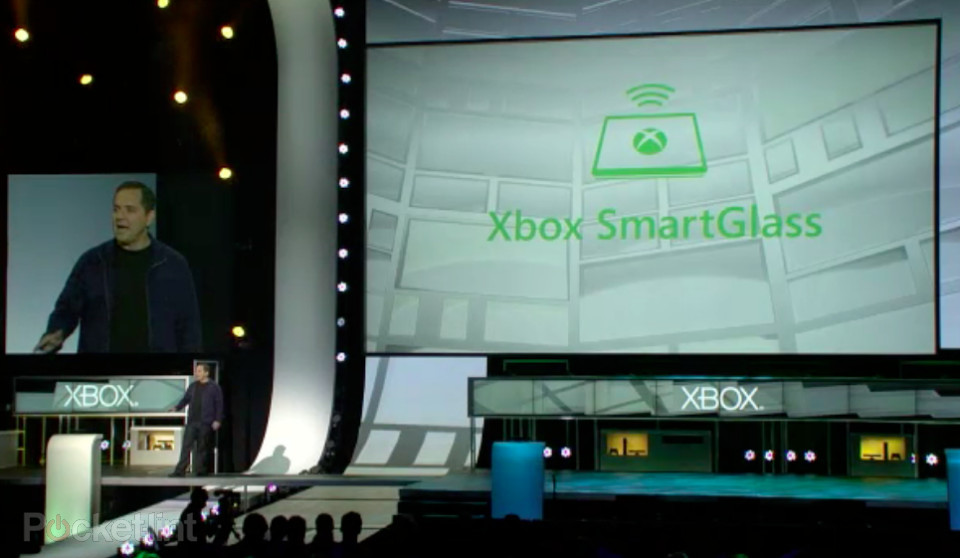
Revealed during the company’s E3 press conference, SmartGlass positioned Microsoft to pair Xbox 360 consoles with Windows 8‑powered tablets and PCs, as well as compatible phones, enabling users to watch video, control playback, and access companion content from mobile devices.
The companion app was slated to roll out during the 2012 holiday season.
The unveiling prompted swift reaction across gaming media.
Some outlets argued SmartGlass could blunt the market case for Nintendo’s Wii U, which launched in North America on November 18, 2012 (followed by launches in Europe on November 30, 2012 and Japan on December 8, 2012).
Pocket-lint journalist Stuart Miles went so far as to say that SmartGlass made the Wii U "almost irrelevant," a characterization he used to emphasize Microsoft's cross‑device approach to interactive content.
Similarly, the blog 14U published commentary suggesting SmartGlass represented a substantial competitive threat to Nintendo’s tablet‑style innovations.
Those were opinionated takes grounded in a specific moment: Microsoft leveraging an existing Xbox 360 install base and the growing Windows 8 ecosystem to deliver second‑screen functionality without shipping new console hardware.
Factually, SmartGlass delivered features such as remote control, media streaming handoffs, and second‑screen game support on compatible devices.
Microsoft promoted SmartGlass as part of a broader push to blur lines between console, PC, and mobile experiences.
For Nintendo, the Wii U’s integrated GamePad offered a different approach: a bundled, dedicated second screen designed around unique hardware and software interactions.
Nintendo supported the Wii U with its own digital storefront, the Nintendo eShop, and continued to use direct channels such as Nintendo Direct to communicate updates to its audience.
In the longer term, Nintendo shifted platform strategy with the Nintendo Switch, released on March 3, 2017, which combined handheld and docked play under a single hardware model.
The E3 2012 SmartGlass episode underscores how the industry moved quickly to embrace second‑screen and cross‑device features, and how media narratives can amplify competitive tensions.
Microsoft’s SmartGlass and Nintendo’s GamePad reflected different design philosophies—one leveraging existing device ecosystems, the other investing in dedicated hardware—each with implications for developers, publishers, and players navigating console ecosystems, digital storefronts, and platform messaging channels like Nintendo Direct and Microsoft’s cross‑platform services.
Revealed during the company’s E3 press conference, SmartGlass positioned Microsoft to pair Xbox 360 consoles with Windows 8‑powered tablets and PCs, as well as compatible phones, enabling users to watch video, control playback, and access companion content from mobile devices.
The companion app was slated to roll out during the 2012 holiday season.
The unveiling prompted swift reaction across gaming media.
Some outlets argued SmartGlass could blunt the market case for Nintendo’s Wii U, which launched in North America on November 18, 2012 (followed by launches in Europe on November 30, 2012 and Japan on December 8, 2012).
Pocket-lint journalist Stuart Miles went so far as to say that SmartGlass made the Wii U "almost irrelevant," a characterization he used to emphasize Microsoft's cross‑device approach to interactive content.
Similarly, the blog 14U published commentary suggesting SmartGlass represented a substantial competitive threat to Nintendo’s tablet‑style innovations.
Those were opinionated takes grounded in a specific moment: Microsoft leveraging an existing Xbox 360 install base and the growing Windows 8 ecosystem to deliver second‑screen functionality without shipping new console hardware.
Factually, SmartGlass delivered features such as remote control, media streaming handoffs, and second‑screen game support on compatible devices.
Microsoft promoted SmartGlass as part of a broader push to blur lines between console, PC, and mobile experiences.
For Nintendo, the Wii U’s integrated GamePad offered a different approach: a bundled, dedicated second screen designed around unique hardware and software interactions.
Nintendo supported the Wii U with its own digital storefront, the Nintendo eShop, and continued to use direct channels such as Nintendo Direct to communicate updates to its audience.
In the longer term, Nintendo shifted platform strategy with the Nintendo Switch, released on March 3, 2017, which combined handheld and docked play under a single hardware model.
The E3 2012 SmartGlass episode underscores how the industry moved quickly to embrace second‑screen and cross‑device features, and how media narratives can amplify competitive tensions.
Microsoft’s SmartGlass and Nintendo’s GamePad reflected different design philosophies—one leveraging existing device ecosystems, the other investing in dedicated hardware—each with implications for developers, publishers, and players navigating console ecosystems, digital storefronts, and platform messaging channels like Nintendo Direct and Microsoft’s cross‑platform services.