

Microsoft's evolving approach to Xbox exclusives could significantly affect future game releases on platforms such as the anticipated Nintendo Switch 2.
This development follows several internal corporate changes and major acquisitions, underlining Microsoft's shifting philosophy within the gaming sector.
Background: A Strategic Shift for Xbox
With Asha Sharma recently stepping into the role formerly held by Phil Spencer as CEO of Microsoft Gaming, industry watchers are closely tracking the company's strategic direction.
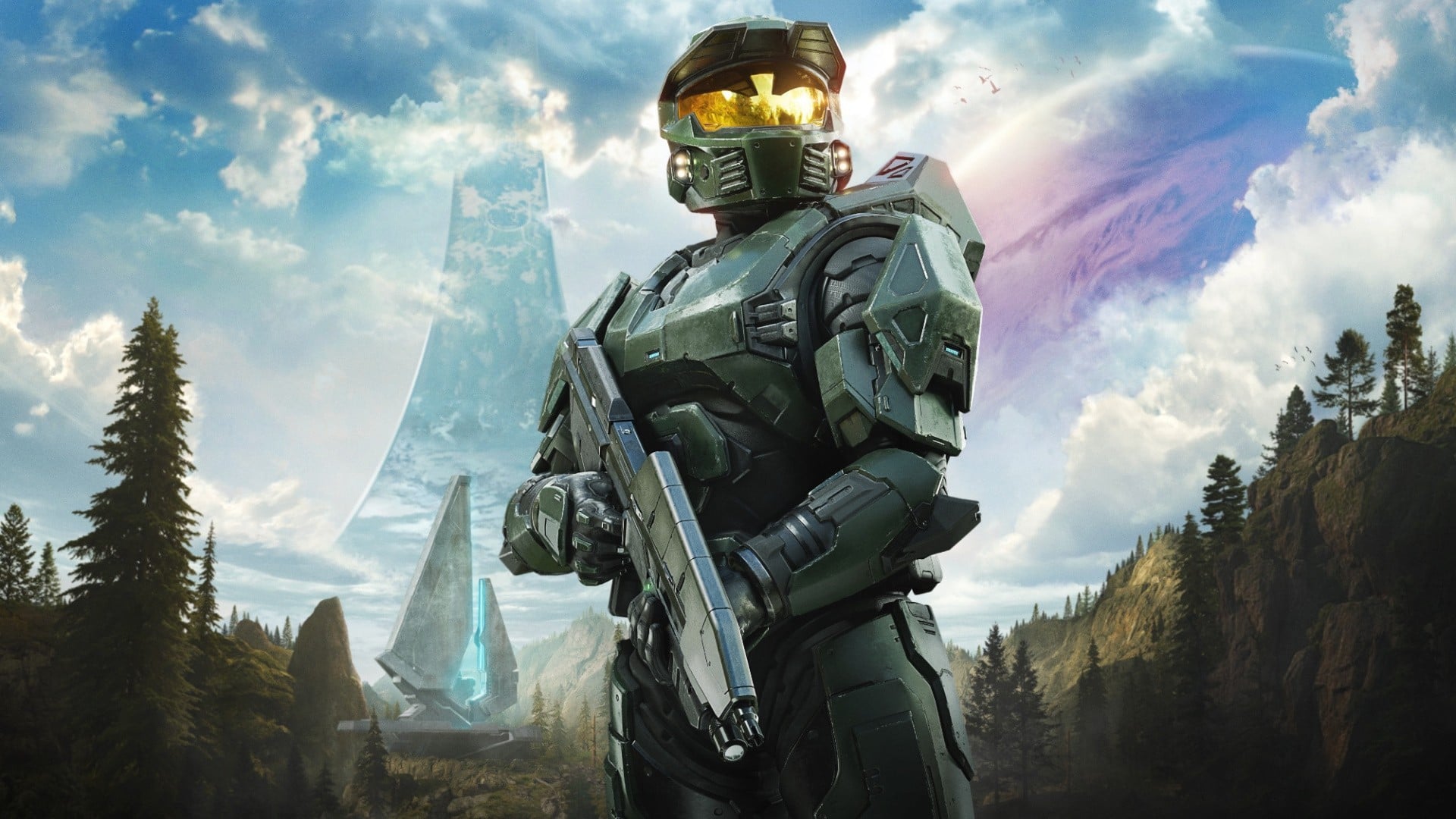
In recent years, the Xbox brand has placed a bigger emphasis on accessibility, notably crossing traditional hardware boundaries by launching flagship IPs like Forza Horizon on PlayStation and preparing for Halo's broader release.
This cross-platform push comes after Microsoft’s acquisition of multiple third-party studios—decisions designed to increase reach and profitability.
Latest Developments: Major Discussions on Exclusivity
According to Jez Corden, Executive Editor of Windows Central, Microsoft is currently engaged in significant internal dialogues concerning the future of exclusives on the Xbox platform.
As Corden reported, “There are ongoing, substantial conversations at Microsoft about exclusivity.
The core question is whether Microsoft sees itself foremost as an ecosystem provider or a publishing business.”
This sentiment was echoed via coverage from Pure Xbox, revealing that the company is debating the foundational identity of its gaming division—will it prioritize keeping its ecosystem closed, or continue to expand into broader publishing by launching on competing hardware like the Nintendo Switch 2?
Implications for Nintendo Switch 2 and Third-Party Platforms
Microsoft's cross-platform releases have proven to be lucrative according to industry analyses, though some devoted Xbox fans worry that eroding the brand's exclusivity could dilute its identity, potentially making upcoming hardware such as the next-generation Xbox (codenamed Project Helix) less competitive.
As of now, Microsoft has not officially confirmed any intention to limit certain games to the Xbox platform.
However, Corden suggests that while live-service titles and established multiplayer franchises—such as Call of Duty—are unlikely to become exclusive, there is a possibility that some future single-player projects could be restricted to Xbox hardware.
Looking Forward
While speculation remains around which games, if any, might become exclusive to Xbox, these evolving discussions highlight how Microsoft’s long-term strategy will influence the availability of high-profile titles across platforms.
Stakeholders—including Nintendo Switch 2 users and developers—should monitor announcements closely, as the outcomes could shape release plans and consumer access in the next gaming generation.
For the latest in verified gaming industry developments, keep following updates on Microsoft’s exclusivity policy and what it means for multi-platform gaming ecosystems.
This development follows several internal corporate changes and major acquisitions, underlining Microsoft's shifting philosophy within the gaming sector.
Background: A Strategic Shift for Xbox
With Asha Sharma recently stepping into the role formerly held by Phil Spencer as CEO of Microsoft Gaming, industry watchers are closely tracking the company's strategic direction.
In recent years, the Xbox brand has placed a bigger emphasis on accessibility, notably crossing traditional hardware boundaries by launching flagship IPs like Forza Horizon on PlayStation and preparing for Halo's broader release.
This cross-platform push comes after Microsoft’s acquisition of multiple third-party studios—decisions designed to increase reach and profitability.
Latest Developments: Major Discussions on Exclusivity
According to Jez Corden, Executive Editor of Windows Central, Microsoft is currently engaged in significant internal dialogues concerning the future of exclusives on the Xbox platform.
As Corden reported, “There are ongoing, substantial conversations at Microsoft about exclusivity.
The core question is whether Microsoft sees itself foremost as an ecosystem provider or a publishing business.”
This sentiment was echoed via coverage from Pure Xbox, revealing that the company is debating the foundational identity of its gaming division—will it prioritize keeping its ecosystem closed, or continue to expand into broader publishing by launching on competing hardware like the Nintendo Switch 2?
Implications for Nintendo Switch 2 and Third-Party Platforms
Microsoft's cross-platform releases have proven to be lucrative according to industry analyses, though some devoted Xbox fans worry that eroding the brand's exclusivity could dilute its identity, potentially making upcoming hardware such as the next-generation Xbox (codenamed Project Helix) less competitive.
As of now, Microsoft has not officially confirmed any intention to limit certain games to the Xbox platform.
However, Corden suggests that while live-service titles and established multiplayer franchises—such as Call of Duty—are unlikely to become exclusive, there is a possibility that some future single-player projects could be restricted to Xbox hardware.
Looking Forward
While speculation remains around which games, if any, might become exclusive to Xbox, these evolving discussions highlight how Microsoft’s long-term strategy will influence the availability of high-profile titles across platforms.
Stakeholders—including Nintendo Switch 2 users and developers—should monitor announcements closely, as the outcomes could shape release plans and consumer access in the next gaming generation.
For the latest in verified gaming industry developments, keep following updates on Microsoft’s exclusivity policy and what it means for multi-platform gaming ecosystems.