
Lizardcube Declined SNK Offer to Rework Metal Slug After Wonder Boy Success
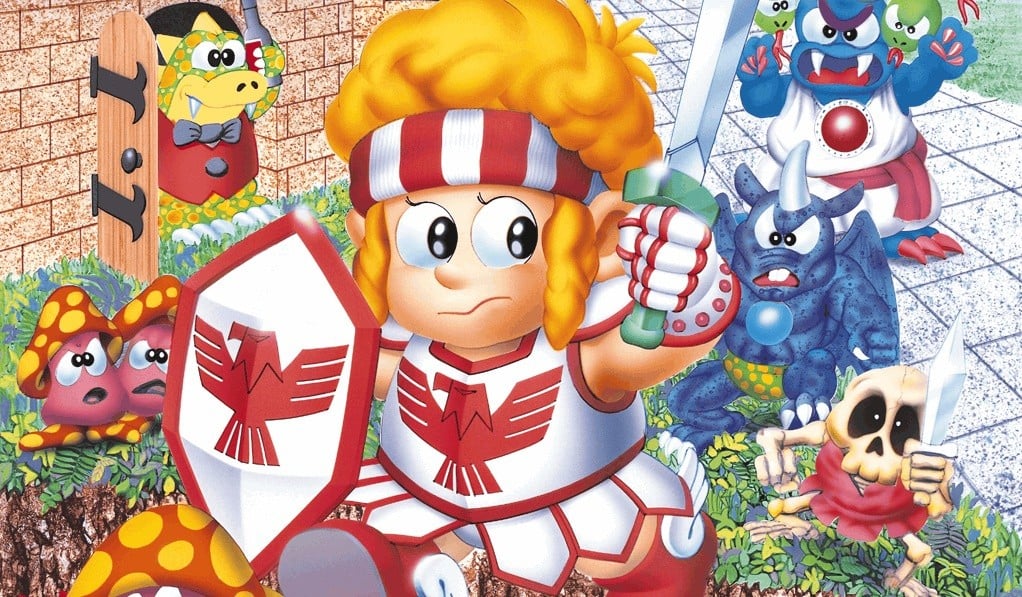
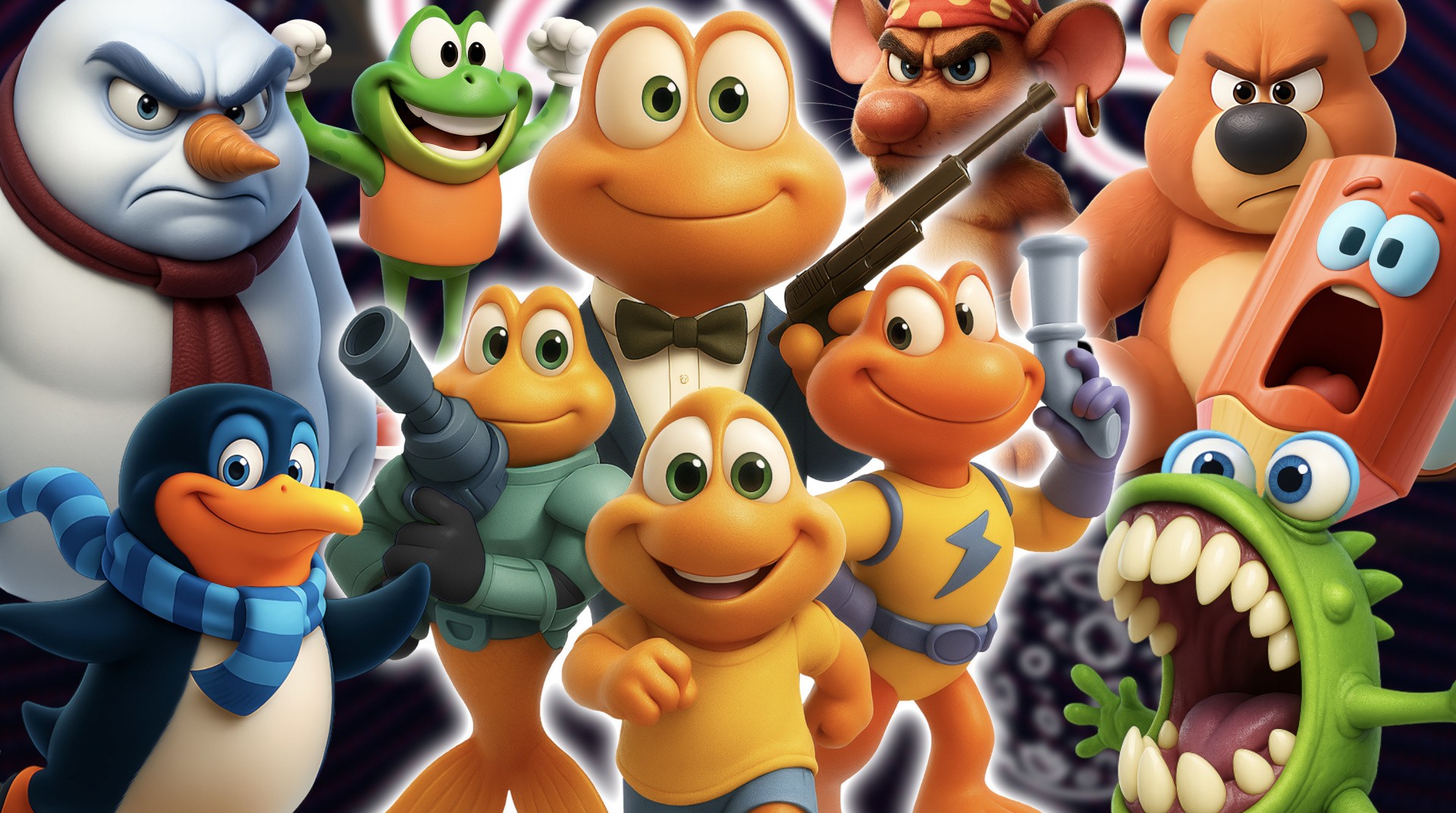
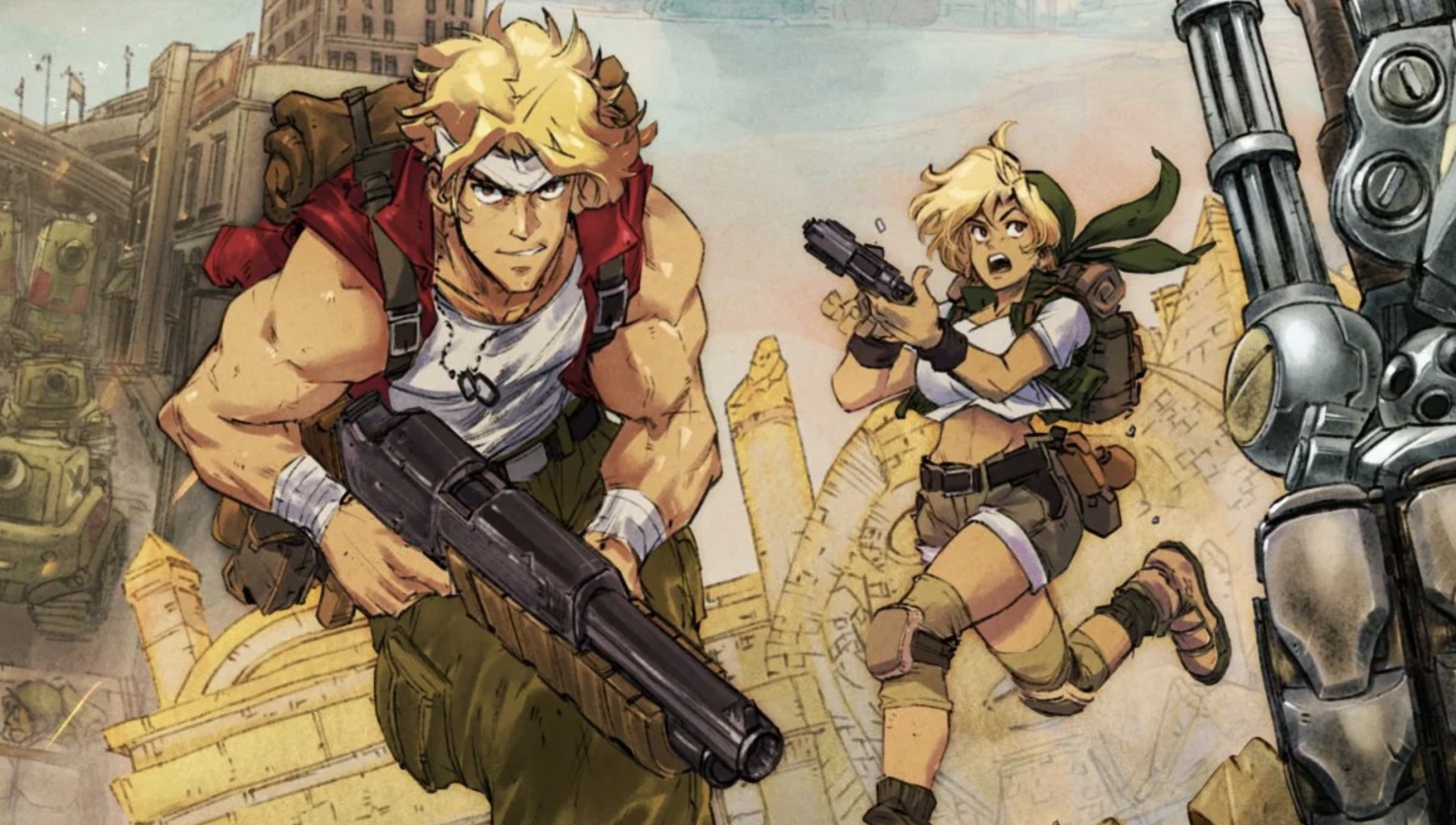
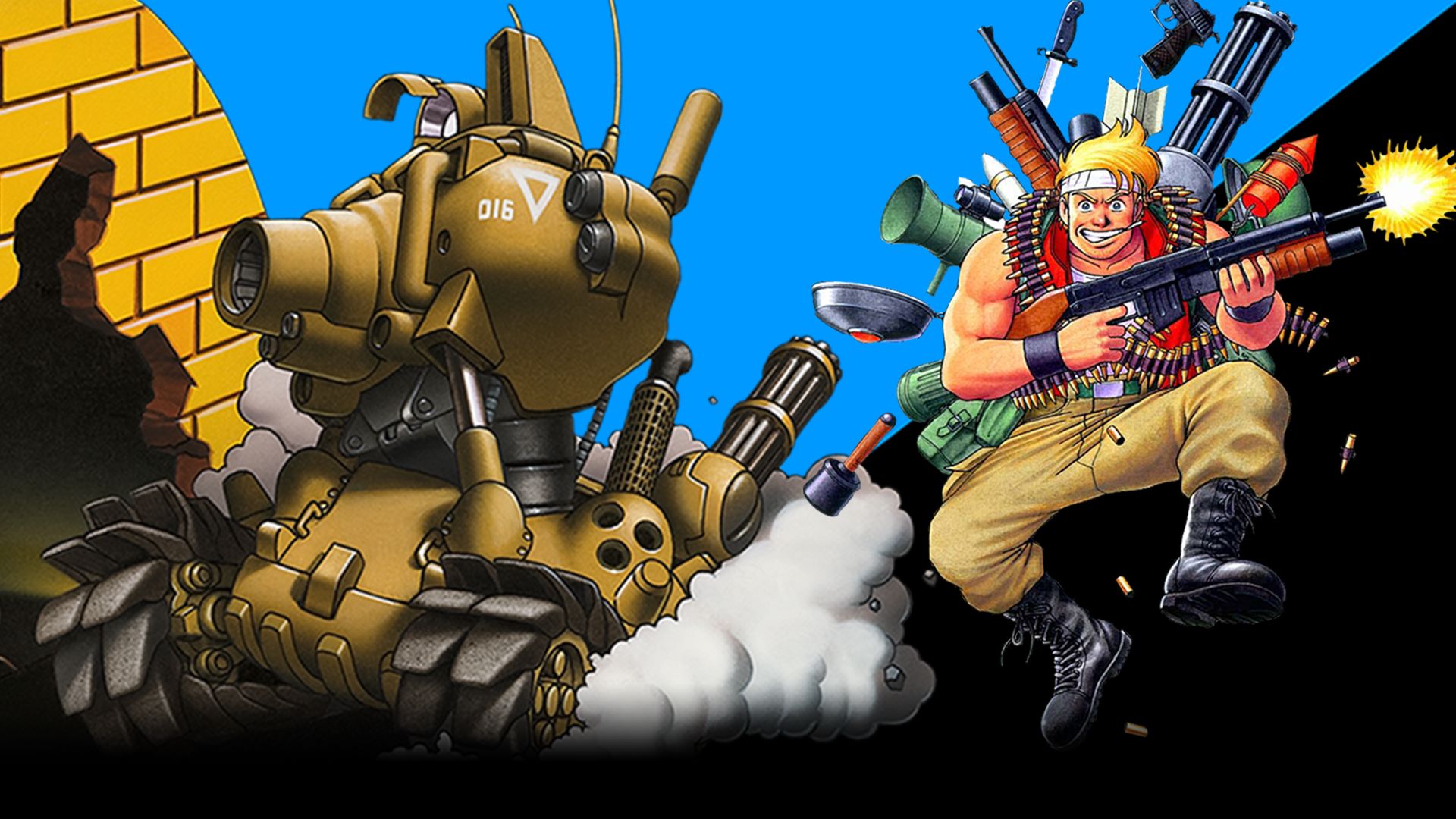
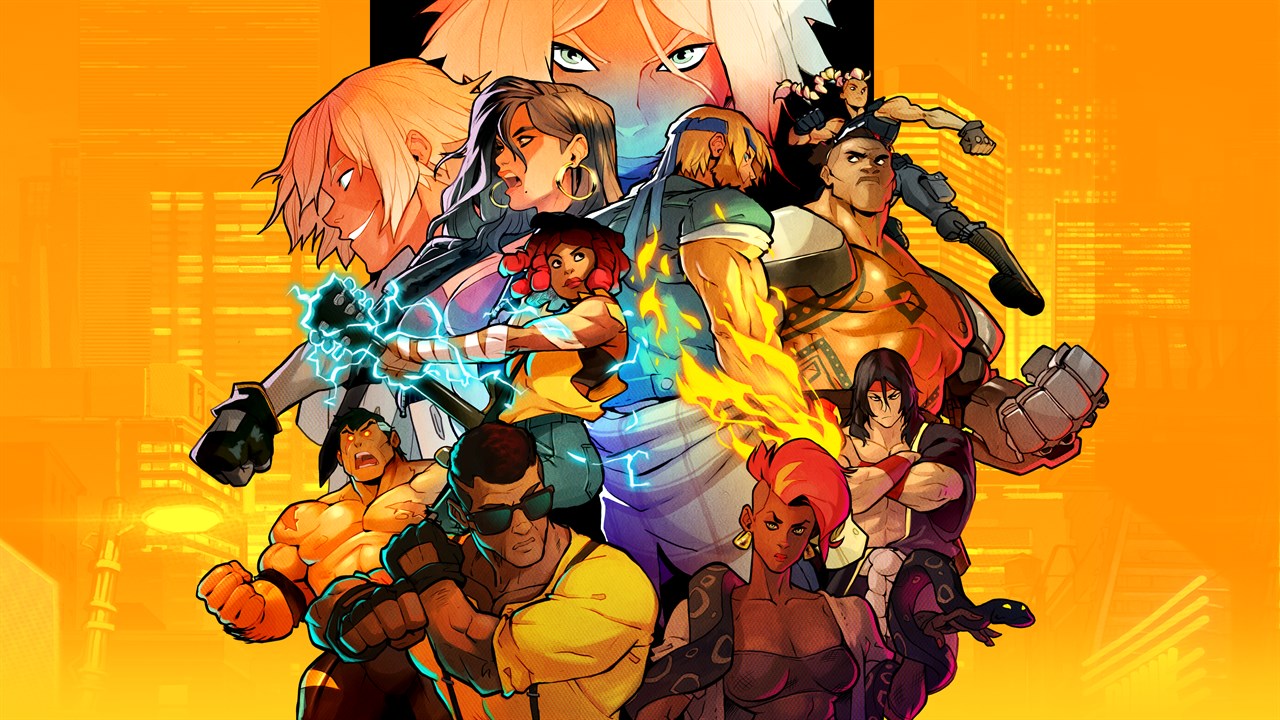
French studio Lizardcube, best known for its 2017 remake Wonder Boy: The Dragon's Trap and its contribution to Streets of Rage 4, revealed it was approached by SNK to create an HD Metal Slug title.
The exchange, disclosed publicly by Lizardcube co-founder Ben Fiquet on social media, sheds light on how major IP holders scout specialist studios after high-profile remakes and revitalisations.
Background and context
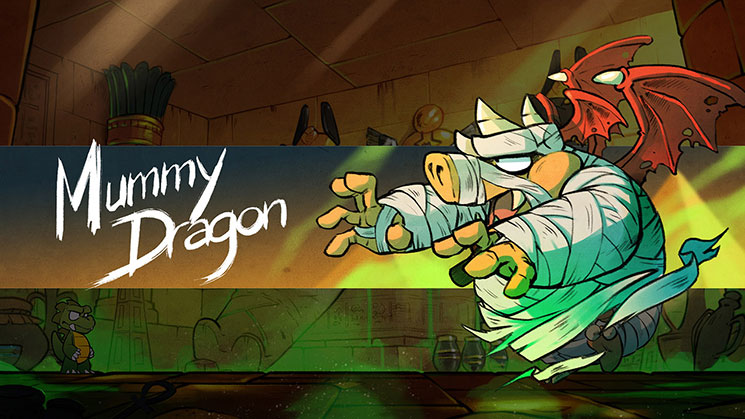
Lizardcube earned industry recognition for Wonder Boy: The Dragon's Trap (released in 2017) for its hand-drawn visual approach and faithful 2D gameplay, and later worked alongside Dotemu and Guard Crush Games on Streets of Rage 4.
Both titles have appeared on Nintendo Switch as part of their multi-platform releases, helping to raise Lizardcube’s profile among publishers looking to modernize classic franchises.
How the Metal Slug approach came about
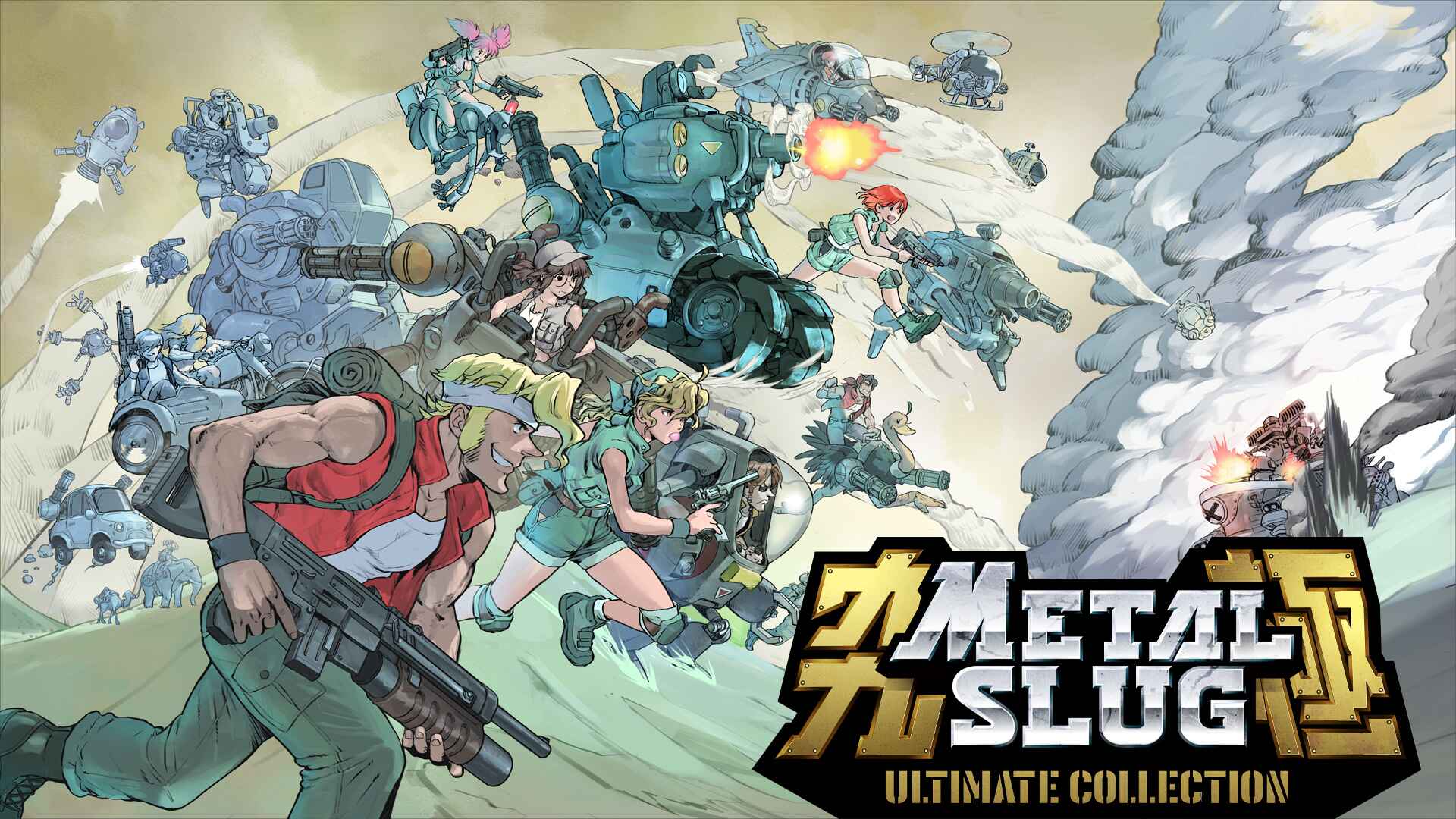
According to Fiquet, SNK reached out a few months after Wonder Boy’s release to ask whether Lizardcube could produce a high-definition Metal Slug in the spirit of their Wonder Boy work.
Fiquet explained that, despite his admiration for Metal Slug, he ultimately turned the offer down because he believed the artistic demands of the franchise would be too great.
In his words, he declined the project because he did not feel he could do the series justice.
Franchise and developer context
Metal Slug’s mainline series last saw a numbered entry with Metal Slug 7, which released in 2008 for the Nintendo DS.
More recently, SNK has collaborated with Leikir Studio on Metal Slug Tactics, expanding the franchise into different genres while maintaining its legacy.
SNK’s engagement with outside studios reflects a broader trend in which legacy IP owners partner with specialty teams to modernize 2D and pixel-era properties for contemporary platforms and digital storefronts such as the Nintendo eShop.
Why the decision matters
Fiquet’s decision highlights the creative calculus small studios undertake when balancing ambition, expertise, and respect for established IP.
Lizardcube’s careful stance underscores a commitment to preserving the identity of the franchises it touches, a factor that resonates with fans and publishers alike as classic series continue to see re-releases and remakes on platforms including Nintendo Switch.
For Nintendo-focused audiences, the disclosure is a reminder of how remakes and revivals are negotiated behind the scenes, involving both creative judgment and platform considerations that influence which studios pair with which legacy franchises.
French studio Lizardcube, best known for its 2017 remake Wonder Boy: The Dragon's Trap and its contribution to Streets of Rage 4, revealed it was approached by SNK to create an HD Metal Slug title.
The exchange, disclosed publicly by Lizardcube co-founder Ben Fiquet on social media, sheds light on how major IP holders scout specialist studios after high-profile remakes and revitalisations.
Background and context
Lizardcube earned industry recognition for Wonder Boy: The Dragon's Trap (released in 2017) for its hand-drawn visual approach and faithful 2D gameplay, and later worked alongside Dotemu and Guard Crush Games on Streets of Rage 4.
Both titles have appeared on Nintendo Switch as part of their multi-platform releases, helping to raise Lizardcube’s profile among publishers looking to modernize classic franchises.
How the Metal Slug approach came about
According to Fiquet, SNK reached out a few months after Wonder Boy’s release to ask whether Lizardcube could produce a high-definition Metal Slug in the spirit of their Wonder Boy work.
Fiquet explained that, despite his admiration for Metal Slug, he ultimately turned the offer down because he believed the artistic demands of the franchise would be too great.
In his words, he declined the project because he did not feel he could do the series justice.
Franchise and developer context
Metal Slug’s mainline series last saw a numbered entry with Metal Slug 7, which released in 2008 for the Nintendo DS.
More recently, SNK has collaborated with Leikir Studio on Metal Slug Tactics, expanding the franchise into different genres while maintaining its legacy.
SNK’s engagement with outside studios reflects a broader trend in which legacy IP owners partner with specialty teams to modernize 2D and pixel-era properties for contemporary platforms and digital storefronts such as the Nintendo eShop.
Why the decision matters
Fiquet’s decision highlights the creative calculus small studios undertake when balancing ambition, expertise, and respect for established IP.
Lizardcube’s careful stance underscores a commitment to preserving the identity of the franchises it touches, a factor that resonates with fans and publishers alike as classic series continue to see re-releases and remakes on platforms including Nintendo Switch.
For Nintendo-focused audiences, the disclosure is a reminder of how remakes and revivals are negotiated behind the scenes, involving both creative judgment and platform considerations that influence which studios pair with which legacy franchises.