
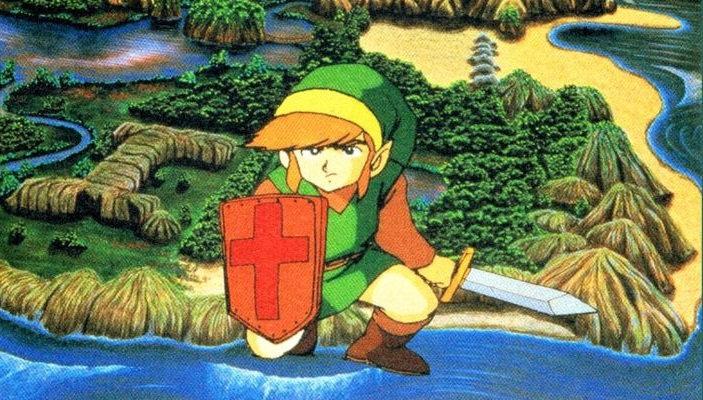
Nintendo confirmed earlier this week that The Legend of Zelda: Ocarina of Time for the Switch 2 was developed internally by Nintendo Entertainment Planning & Development (EPD) Production Group No. 3. The announcement clarifies the lead studio on the project and follows an update from Monolith Soft that confirms the studio contributed to the title in a supporting role.
Monolith Soft posted a notice on its official website stating that it handled partial contract development for the Switch 2 version of Ocarina of Time. In a translated summary of the company's message, Monolith Soft said it was responsible for specific elements of the project, including game design, programming and graphics, and noted that the finished product was released by Nintendo Co., Ltd. The entry has also been added to Monolith Soft's public games list on its site.
Rewriting the company statement in journalistic terms: Monolith Soft confirmed it performed contracted development work on The Legend of Zelda: Ocarina of Time, supplying support in game design, programming and graphics development for the title released by Nintendo.
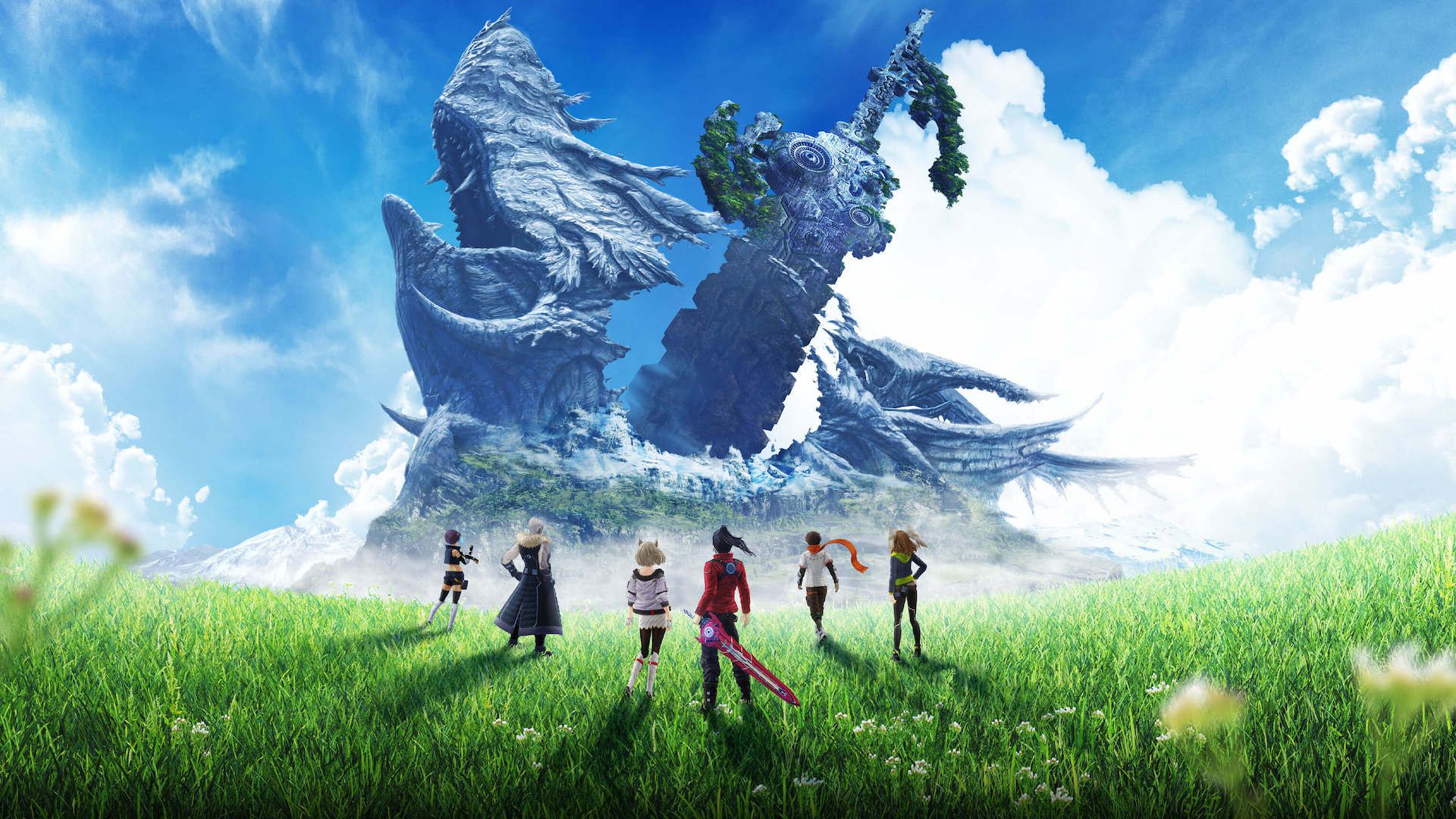
Monolith Soft's involvement follows a year of close collaboration with Nintendo around the Switch 2 platform. Since the launch of the Switch 2 last June, Monolith Soft has been visible on several Nintendo-led projects: it produced the Switch 2 Edition releases of the Xenoblade series, contributed to Splatoon Raiders, and has updates planned for Xenoblade Chronicles 3, which is scheduled to return next month. The studio remains best known for creating the Xenoblade Chronicles franchise, a centerpiece of its development history.
Nintendo EPD Production Group No. 3 has a track record of overseeing major entries in Nintendo’s flagship franchises, and the firm designation of that group as the primary developer on Ocarina of Time for Switch 2 settles earlier questions about lead development ownership. Nintendo Life and other outlets first reported Nintendo’s internal confirmation, and Monolith Soft’s site now provides direct documentation of its role.
This development highlights the collaborative model Nintendo often uses for large-scale releases on the Nintendo Switch ecosystem and the Switch 2 hardware, leveraging internal EPD teams alongside trusted external studios like Monolith Soft to deliver high-profile titles to the eShop and retail platforms.
Monolith Soft Assisted Development on The Legend of Zelda: Ocarina of Time for Switch 2, Nintendo Confirms
Nintendo News Hub

Game Pages Mentioned In This Article
Use these Nintendo Switch game pages to keep exploring the titles connected to this story, including related genres, developers, screenshots, and more coverage.
Related Topics
Explore more articles about these topics:
Source: NintendoSwitchLife


