Naoto Ohshima, the artist credited with designing Sonic the Hedgehog, is not listed in the on-screen credits for the recent live-action Sonic films, a fact that has prompted renewed discussion about crediting practices in the Japanese games industry.
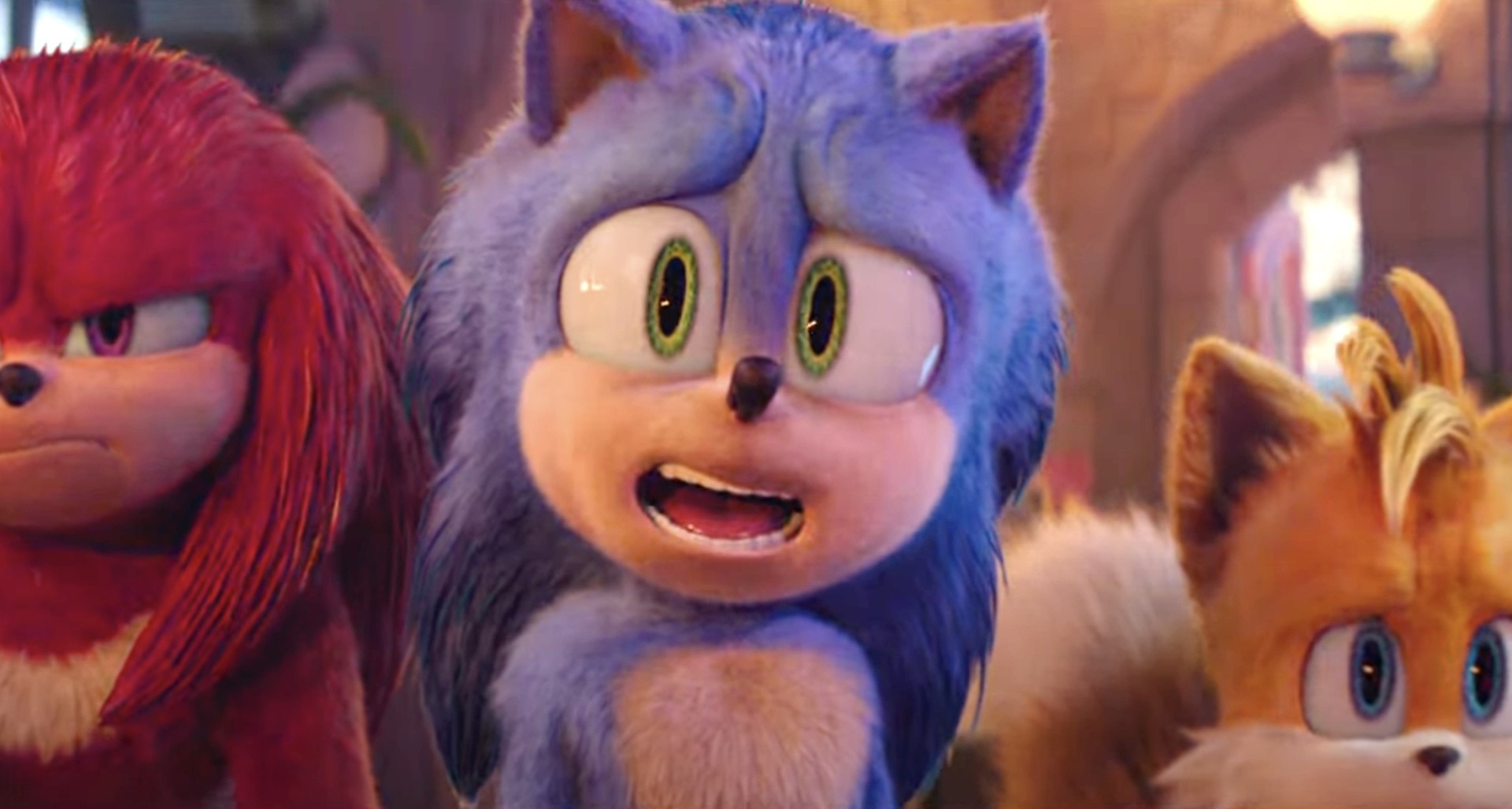
The Sonic theatrical franchise, produced by Paramount Pictures in partnership with Sega Sammy, began with Sonic the Hedgehog in 2020 and continued with Sonic the Hedgehog 2 in 2022.
Together those two films have grossed more than $700 million worldwide, underpinning the broader commercial value of the Sonic IP.
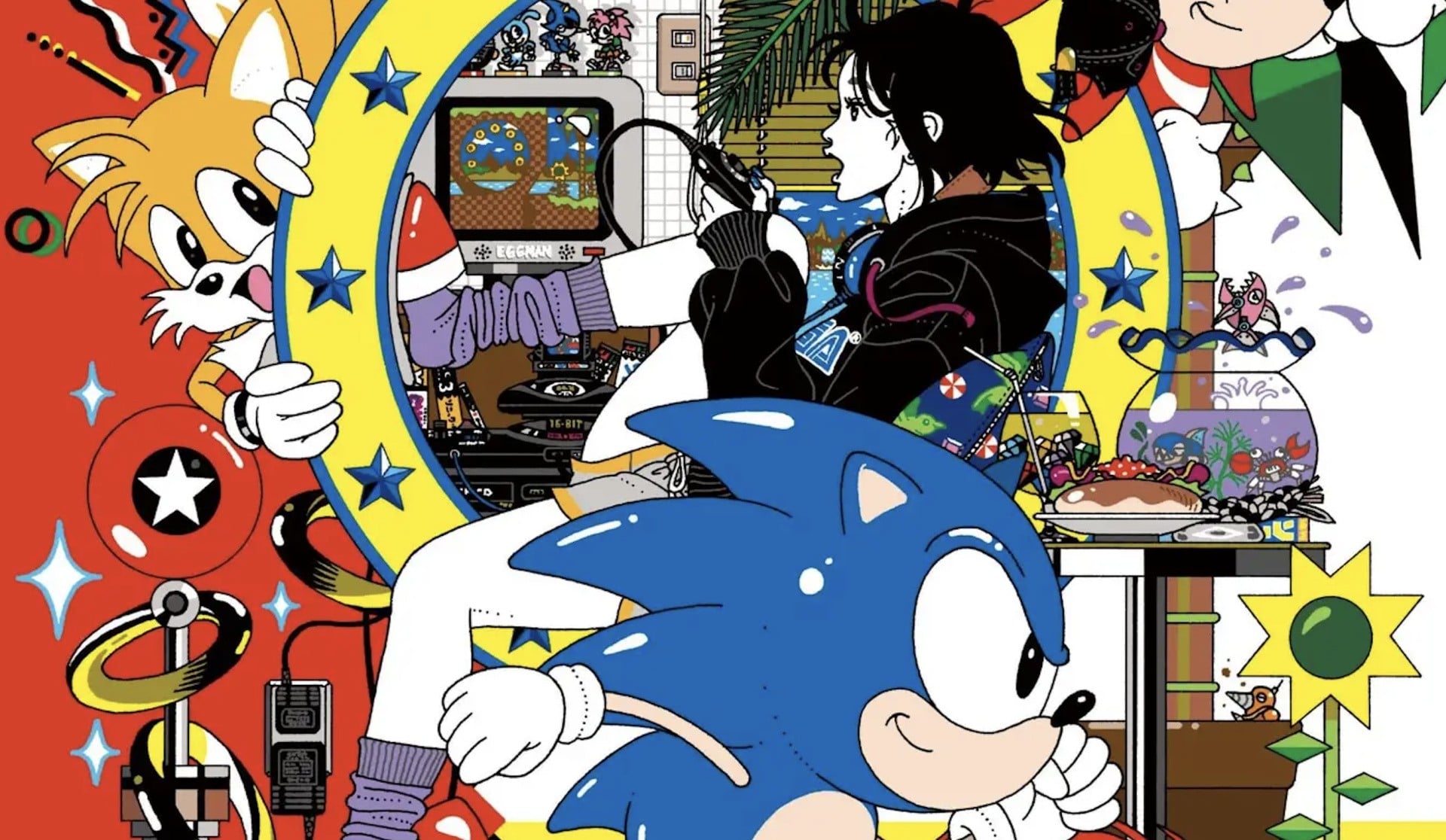
Ohshima is widely acknowledged within the games industry as the visual designer who created Sonic's original look for the 1991 Sega Genesis / Mega Drive release.
Key members of the original development team include Yuji Naka, the lead programmer often associated with the character's technical development, and Hirokazu Yasuhara, credited with gameplay and level design on the 1991 title.
Ohshima's role as character designer is part of the documented development history of Sonic Team and Sega.
In an interview for John Szczepaniak's Untold History project, Ohshima explained that early employment and crediting practices at Japanese game companies often used pseudonyms.
Ohshima said he was credited under the nickname Rocky Nao and that Sega discouraged the use of real names in credits at the time.
He and Szczepaniak discussed that the practice was intended to limit headhunting and to avoid establishing byline evidence that could be used in disputes over ownership or revenue.
That approach contrasts with recent high-profile examples where individual creators receive prominent on-screen acknowledgment.
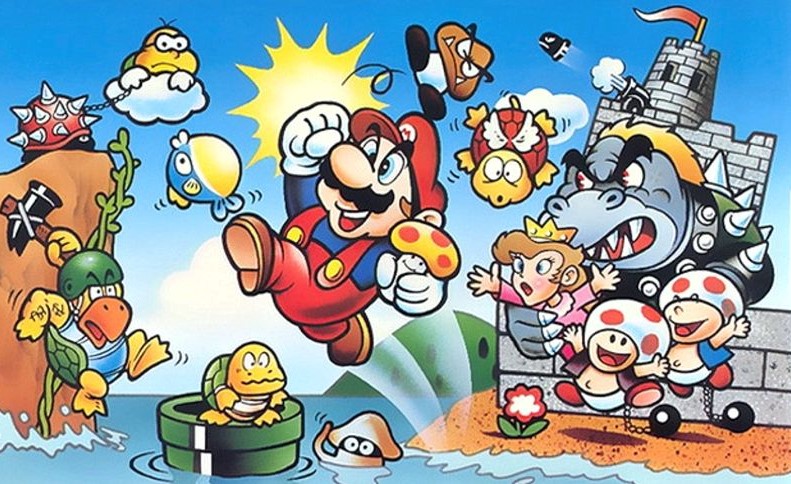
Shigeru Miyamoto, for instance, is credited among the creative team for The Super Mario Bros.
Movie.
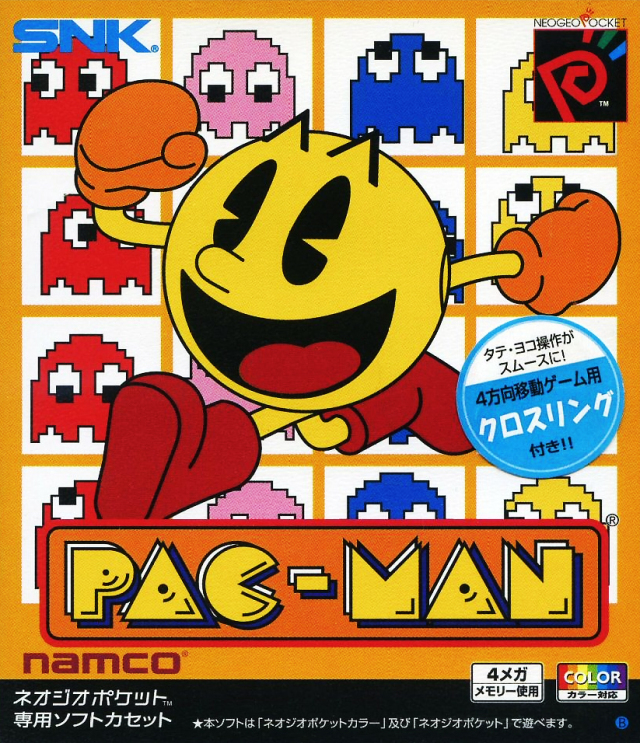
Likewise, industry histories note other cases where companies retain IP ownership while creators are not listed as owners; Pac-Man is owned by Bandai Namco, even though Toru Iwatani is recognized as the original designer and made a cameo appearance in the 2015 film Pixels.
Modern employment agreements typically specify that work created during employment belongs to the employer, and crediting practices have evolved alongside changes in international IP law and the visibility of creators.
Meanwhile, Sonic as a property continues to reach audiences both in film and in games.
Numerous Sonic titles remain available on contemporary platforms, including releases on Nintendo Switch and the Nintendo eShop, keeping the character in the public eye across multiple media.
The absence of Naoto Ohshima's name from the Sonic films credits reflects a specific historical practice at Sega during the 1980s and 1990s.
As the Sonic franchise continues to generate substantial revenue and cultural attention, the conversation about how creators are acknowledged has returned to the foreground for journalists, historians, and fans alike.
The Sonic theatrical franchise, produced by Paramount Pictures in partnership with Sega Sammy, began with Sonic the Hedgehog in 2020 and continued with Sonic the Hedgehog 2 in 2022.
Together those two films have grossed more than $700 million worldwide, underpinning the broader commercial value of the Sonic IP.
Ohshima is widely acknowledged within the games industry as the visual designer who created Sonic's original look for the 1991 Sega Genesis / Mega Drive release.
Key members of the original development team include Yuji Naka, the lead programmer often associated with the character's technical development, and Hirokazu Yasuhara, credited with gameplay and level design on the 1991 title.
Ohshima's role as character designer is part of the documented development history of Sonic Team and Sega.
In an interview for John Szczepaniak's Untold History project, Ohshima explained that early employment and crediting practices at Japanese game companies often used pseudonyms.
Ohshima said he was credited under the nickname Rocky Nao and that Sega discouraged the use of real names in credits at the time.
He and Szczepaniak discussed that the practice was intended to limit headhunting and to avoid establishing byline evidence that could be used in disputes over ownership or revenue.
That approach contrasts with recent high-profile examples where individual creators receive prominent on-screen acknowledgment.
Shigeru Miyamoto, for instance, is credited among the creative team for The Super Mario Bros.
Movie.
Likewise, industry histories note other cases where companies retain IP ownership while creators are not listed as owners; Pac-Man is owned by Bandai Namco, even though Toru Iwatani is recognized as the original designer and made a cameo appearance in the 2015 film Pixels.
Modern employment agreements typically specify that work created during employment belongs to the employer, and crediting practices have evolved alongside changes in international IP law and the visibility of creators.
Meanwhile, Sonic as a property continues to reach audiences both in film and in games.
Numerous Sonic titles remain available on contemporary platforms, including releases on Nintendo Switch and the Nintendo eShop, keeping the character in the public eye across multiple media.
The absence of Naoto Ohshima's name from the Sonic films credits reflects a specific historical practice at Sega during the 1980s and 1990s.
As the Sonic franchise continues to generate substantial revenue and cultural attention, the conversation about how creators are acknowledged has returned to the foreground for journalists, historians, and fans alike.