

Super Mario Galaxy Nintendo Switch: How Nintendo's 2007 Classic Holds Up in 2026
Super Mario Galaxy launched on the Wii in November 2007 and quickly became one of Nintendo's most celebrated 3D platformers.
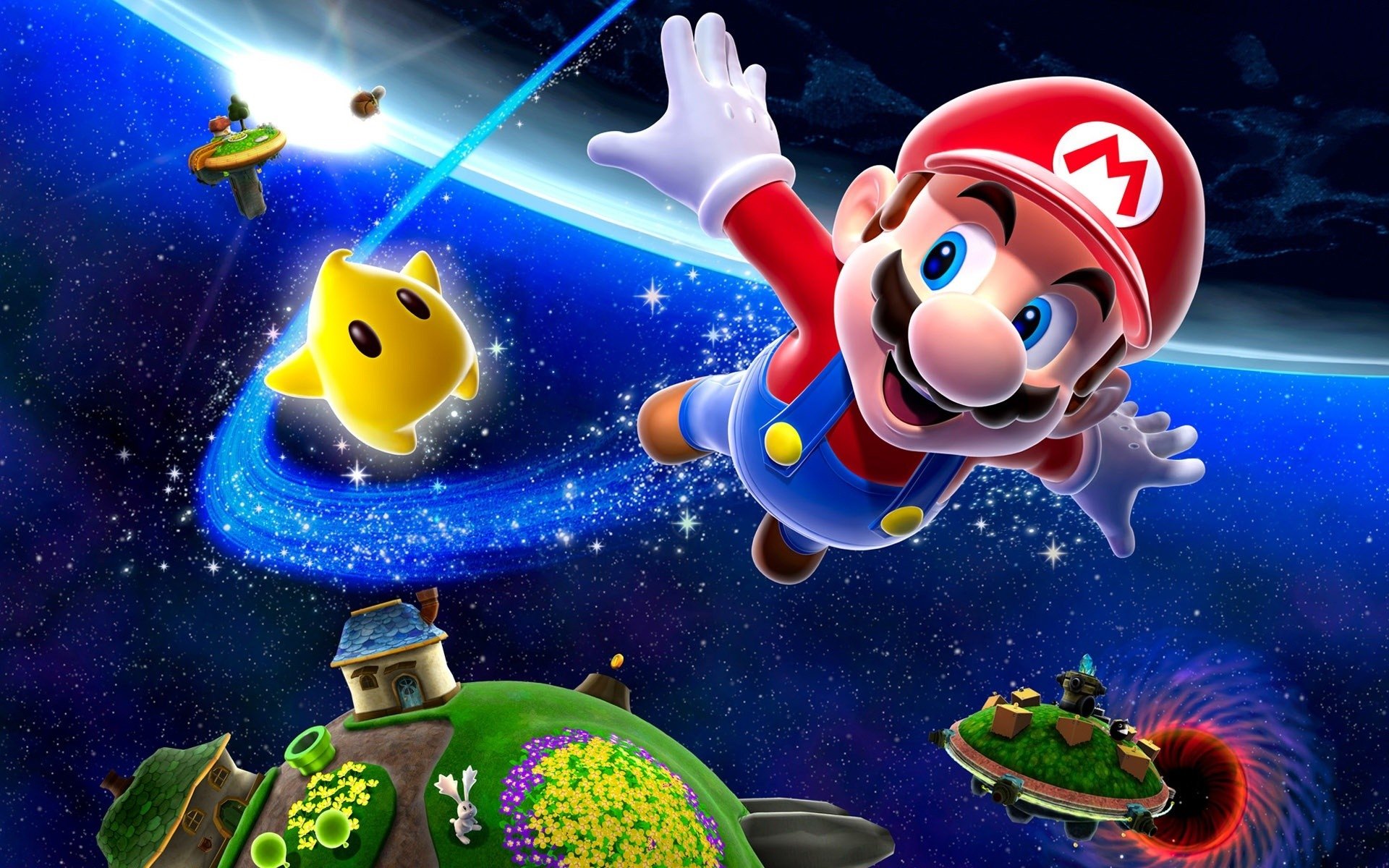
Developed by Nintendo EAD Tokyo and directed by Yoshiaki Koizumi with production led by Shigeru Miyamoto, the game introduced new characters and mechanics — notably Rosalina and the Lumas, gravity-driven level design, and a collectible structure built around 120 Power Stars.
The title was later packaged for the Nintendo Switch as part of Super Mario 3D All-Stars, which released on September 18, 2020 and was available for a limited time through March 31, 2021.
Background and legacy
Super Mario Galaxy elevated the series' cinematic presentation with a stronger narrative emphasis than many earlier Mario entries.
Rosalina’s backstory is revealed gradually through storybook chapters unlocked by Power Stars, and the Lumas serve as both narrative and gameplay elements.
The game’s orchestral score — composed with key contributions from Koji Kondo and Mahito Yokota — is frequently cited alongside the game's visual design as a major factor in its lasting appeal.
Player perspectives and replayability
Many players describe a strong sense of nostalgia for Galaxy: one fan recalled that the game "got them into Nintendo," recounting hours spent at a demo kiosk before acquiring a Wii.
That personal nostalgia aligns with broader critical praise: reviewers highlighted Galaxy’s inventive level design, its varied atmospheres (from the buoyant Good Egg Galaxy to the isolated Space Junk Galaxy), and its polished platforming setpieces.
Design, mechanics and comparisons
Galaxy’s gravity-based mechanics and themed “galaxy” levels set it apart from other 3D Mario entries.
The game offers a defined move set for Mario, multiple power-ups (including temporary transformations like Ice Mario and Fire Mario), and a 120-Star completion structure that many players find concise compared with modern open-ended completion lists.
Super Mario Galaxy’s direct sequel, Super Mario Galaxy 2, arrived on Wii in 2010 and expanded on many core ideas introduced by the original.
Platform history and availability
Originally a Wii exclusive at launch (Japan: November 1, 2007; North America: November 12, 2007; Europe: November 16, 2007), Super Mario Galaxy has been reissued for modern audiences through the Super Mario 3D All-Stars compilation on Nintendo Switch.
That Switch release was distributed for a limited period in 2020–2021 and remains the primary official way the title has appeared on Nintendo Switch hardware.
Conclusion
More than a decade after release, Super Mario Galaxy remains a frequently cited example of Nintendo’s design strengths: concise level design, a memorable orchestral score, and character moments that go beyond typical franchise fare.
For players and industry observers tracking Nintendo Switch libraries, Galaxy’s inclusion in 3D All-Stars reaffirmed its status as a landmark 3D Mario title and a reference point for future 3D platform design.
Super Mario Galaxy launched on the Wii in November 2007 and quickly became one of Nintendo's most celebrated 3D platformers.
Developed by Nintendo EAD Tokyo and directed by Yoshiaki Koizumi with production led by Shigeru Miyamoto, the game introduced new characters and mechanics — notably Rosalina and the Lumas, gravity-driven level design, and a collectible structure built around 120 Power Stars.
The title was later packaged for the Nintendo Switch as part of Super Mario 3D All-Stars, which released on September 18, 2020 and was available for a limited time through March 31, 2021.
Background and legacy
Super Mario Galaxy elevated the series' cinematic presentation with a stronger narrative emphasis than many earlier Mario entries.
Rosalina’s backstory is revealed gradually through storybook chapters unlocked by Power Stars, and the Lumas serve as both narrative and gameplay elements.
The game’s orchestral score — composed with key contributions from Koji Kondo and Mahito Yokota — is frequently cited alongside the game's visual design as a major factor in its lasting appeal.
Player perspectives and replayability
Many players describe a strong sense of nostalgia for Galaxy: one fan recalled that the game "got them into Nintendo," recounting hours spent at a demo kiosk before acquiring a Wii.
That personal nostalgia aligns with broader critical praise: reviewers highlighted Galaxy’s inventive level design, its varied atmospheres (from the buoyant Good Egg Galaxy to the isolated Space Junk Galaxy), and its polished platforming setpieces.
Design, mechanics and comparisons
Galaxy’s gravity-based mechanics and themed “galaxy” levels set it apart from other 3D Mario entries.
The game offers a defined move set for Mario, multiple power-ups (including temporary transformations like Ice Mario and Fire Mario), and a 120-Star completion structure that many players find concise compared with modern open-ended completion lists.
Super Mario Galaxy’s direct sequel, Super Mario Galaxy 2, arrived on Wii in 2010 and expanded on many core ideas introduced by the original.
Platform history and availability
Originally a Wii exclusive at launch (Japan: November 1, 2007; North America: November 12, 2007; Europe: November 16, 2007), Super Mario Galaxy has been reissued for modern audiences through the Super Mario 3D All-Stars compilation on Nintendo Switch.
That Switch release was distributed for a limited period in 2020–2021 and remains the primary official way the title has appeared on Nintendo Switch hardware.
Conclusion
More than a decade after release, Super Mario Galaxy remains a frequently cited example of Nintendo’s design strengths: concise level design, a memorable orchestral score, and character moments that go beyond typical franchise fare.
For players and industry observers tracking Nintendo Switch libraries, Galaxy’s inclusion in 3D All-Stars reaffirmed its status as a landmark 3D Mario title and a reference point for future 3D platform design.