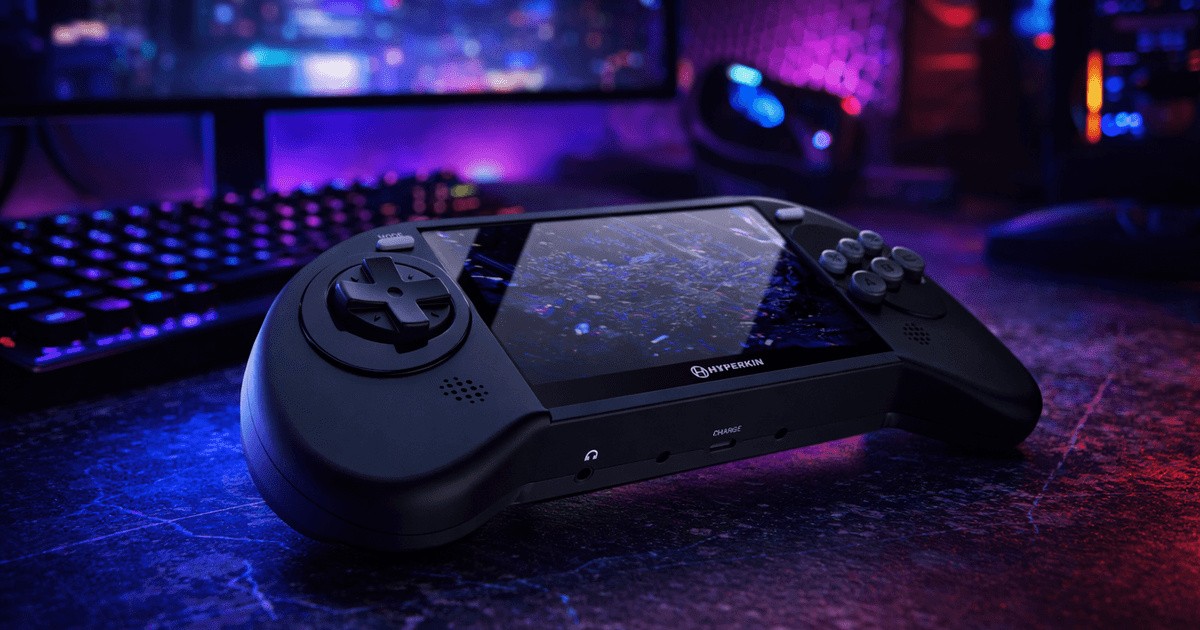

In early 2024, Hyperkin captured the attention of retro gaming enthusiasts by announcing the Mega95, a handheld console designed to celebrate and continue the legacy of the iconic Sega Genesis (Mega Drive).
Featuring a 5-inch IPS display, TV docking functionality reminiscent of the Nintendo Switch, and an impressive 10-hour battery life, the Mega95 aimed to succeed Sega's original Nomad portable system, bringing classic gaming experiences to modern audiences.
However, following its announcement, communication regarding the Mega95’s development became scarce, prompting concerns among fans about the project's ongoing status.
This week, Hyperkin addressed the community’s concerns with an official Mega95 development update, demonstrating their commitment to delivering a quality product worthy of collectors and Sega aficionados alike.
According to Hyperkin, the hardware design and manufacturing for the Mega95 are now finalized.
The outstanding challenge pertains to the software layer, specifically regarding graphical output.
The company has encountered issues such as graphic artifacts and occasional screen tearing when translating game visuals to the device’s display.
Hyperkin emphasized that these visual inconsistencies are not acceptable for release, especially for a platform dedicated to faithfully reproducing the feel of classic Genesis and Mega Drive titles.
A Hyperkin spokesperson shared, "Our priority is to ensure the Mega95 delivers the authentic experience our audience expects.
We have dedicated several months to refining the software, and while this has extended our timeline, it’s essential we resolve these issues before moving to mass production." They reiterated their philosophy: "We prefer to take additional time rather than release a product that does not meet the high standards of retro hardware collectors."
Encouragingly, Hyperkin reported progress in resolving the software challenges.
They are actively working on a new build, with internal testing scheduled soon.
Once the development team confirms the graphics output meets their quality benchmarks—clean visuals, stable performance, and faithful recreation of original titles—the company plans to advance to the mass production phase.
Despite the delays, this update from Hyperkin has been met with understanding and support from the gaming community, who recognize the importance of quality assurance in retro hardware.
Since its formation, Hyperkin has built a reputation on delivering innovative and reliable devices tailored for classic game fans, and the Mega95 appears poised to perpetuate this legacy.
At this stage, Hyperkin has not confirmed a new release date but assures fans that continuous progress is being made.
The Mega95 is notable not only for its hardware features but also for the ongoing debate within the community about its underlying technology.
Earlier speculation suggested the device might eschew conventional software emulation and field-programmable gate arrays (FPGA) in favor of a hybrid approach, although Hyperkin has not yet offered further technical specifics.
For now, Hyperkin’s development update reassures that the Mega95 handheld is steadily moving forward, with the company prioritizing quality and accuracy above a rushed launch.
Retro gaming enthusiasts and collectors can look forward to more detailed updates as the Mega95 approaches its eventual retail debut.
Featuring a 5-inch IPS display, TV docking functionality reminiscent of the Nintendo Switch, and an impressive 10-hour battery life, the Mega95 aimed to succeed Sega's original Nomad portable system, bringing classic gaming experiences to modern audiences.
However, following its announcement, communication regarding the Mega95’s development became scarce, prompting concerns among fans about the project's ongoing status.
This week, Hyperkin addressed the community’s concerns with an official Mega95 development update, demonstrating their commitment to delivering a quality product worthy of collectors and Sega aficionados alike.
According to Hyperkin, the hardware design and manufacturing for the Mega95 are now finalized.
The outstanding challenge pertains to the software layer, specifically regarding graphical output.
The company has encountered issues such as graphic artifacts and occasional screen tearing when translating game visuals to the device’s display.
Hyperkin emphasized that these visual inconsistencies are not acceptable for release, especially for a platform dedicated to faithfully reproducing the feel of classic Genesis and Mega Drive titles.
A Hyperkin spokesperson shared, "Our priority is to ensure the Mega95 delivers the authentic experience our audience expects.
We have dedicated several months to refining the software, and while this has extended our timeline, it’s essential we resolve these issues before moving to mass production." They reiterated their philosophy: "We prefer to take additional time rather than release a product that does not meet the high standards of retro hardware collectors."
Encouragingly, Hyperkin reported progress in resolving the software challenges.
They are actively working on a new build, with internal testing scheduled soon.
Once the development team confirms the graphics output meets their quality benchmarks—clean visuals, stable performance, and faithful recreation of original titles—the company plans to advance to the mass production phase.
Despite the delays, this update from Hyperkin has been met with understanding and support from the gaming community, who recognize the importance of quality assurance in retro hardware.
Since its formation, Hyperkin has built a reputation on delivering innovative and reliable devices tailored for classic game fans, and the Mega95 appears poised to perpetuate this legacy.
At this stage, Hyperkin has not confirmed a new release date but assures fans that continuous progress is being made.
The Mega95 is notable not only for its hardware features but also for the ongoing debate within the community about its underlying technology.
Earlier speculation suggested the device might eschew conventional software emulation and field-programmable gate arrays (FPGA) in favor of a hybrid approach, although Hyperkin has not yet offered further technical specifics.
For now, Hyperkin’s development update reassures that the Mega95 handheld is steadily moving forward, with the company prioritizing quality and accuracy above a rushed launch.
Retro gaming enthusiasts and collectors can look forward to more detailed updates as the Mega95 approaches its eventual retail debut.