
GF1 Neptune FPGA Console Launch Delayed to 2025 for Enhanced Software Quality
In a new statement, GamesCare—the Brazilian developer responsible for the GF1 Neptune—announced an updated release timeline for its ambitious hardware project, aiming to deliver an uncompromising retro gaming experience.
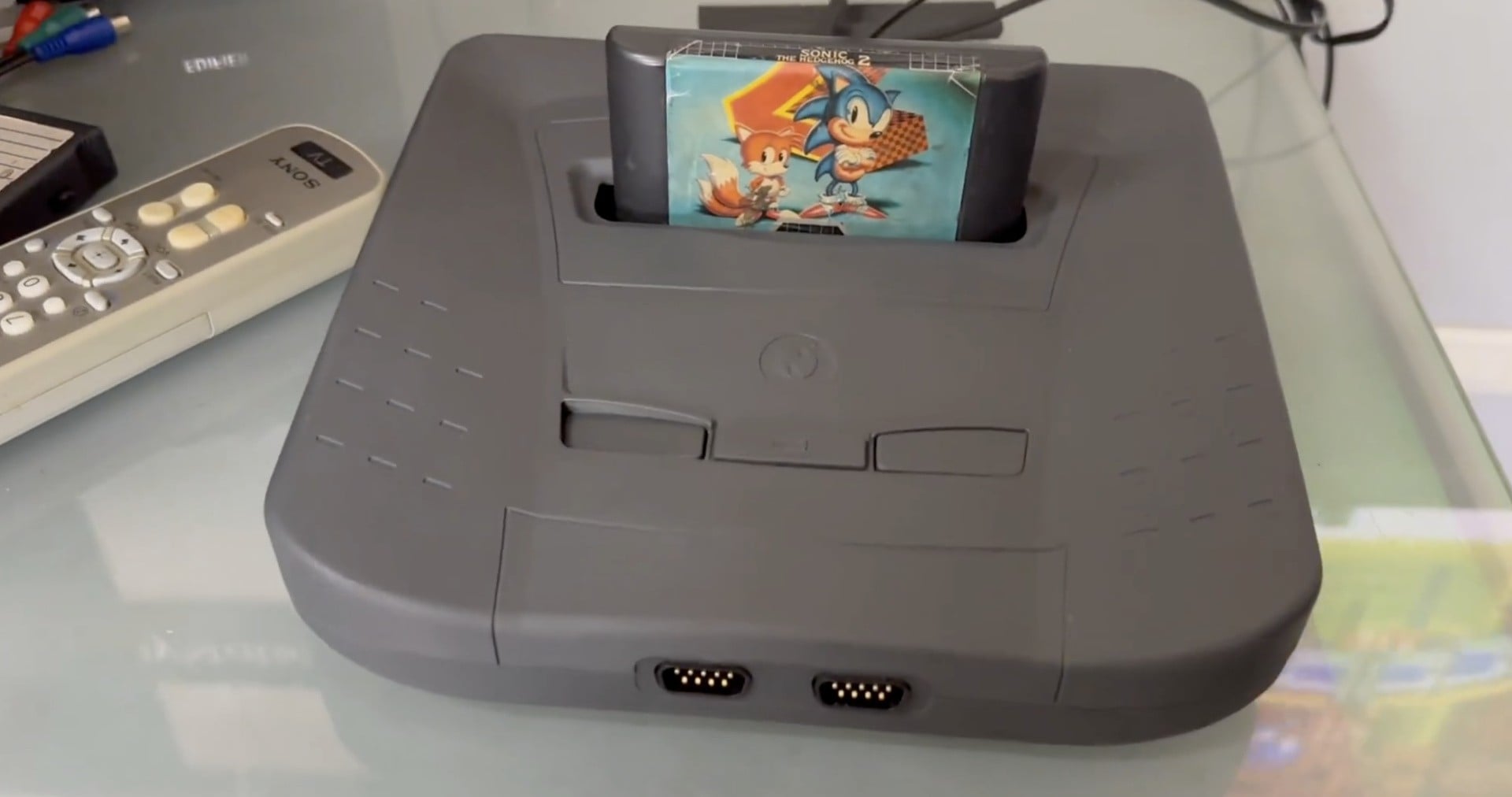
The GF1 Neptune is an FPGA-based recreation of Sega’s Genesis (Mega Drive) and 32X hybrid console, reimagining a product that Sega originally conceptualized but never released during the 1990s hardware race.
When Sega first introduced the Neptune, its primary goal was to offer gamers a seamless combination of Genesis and 32X hardware within a single device.
However, due to the underperformance of the 32X add-on and the imminent arrival of the Saturn, Sega shelved the Neptune project, making it a historical "what-if" in console history.
In the current retro gaming boom, GamesCare’s GF1 Neptune project has attracted significant attention from fans eager for high-fidelity, FPGA-based gaming solutions.
This week, GamesCare confirmed that the GF1 Neptune would not arrive within its originally planned launch window.
Instead, the release has been postponed to next year to further refine both its software and its FPGA cores.
In a statement released to the press, the company shared, "We are continuing the preparation of the console’s cores and software, working closely with members of the community.
Their ongoing support has proven invaluable to our process."
Elaborating on the revised timeline, GamesCare emphasized, "Our priority is to ensure that both the software and the cores deliver a stable and high-quality experience.
Integrating these improvements will require us to extend our development schedule.
As a result, we've decided to shift the GF1 Neptune's launch window to next year."
Citing community feedback and collaboration as critical drivers toward achieving a 'stronger, more capable, and more future-proof system,' GamesCare reassured retro enthusiasts and early adopters that the extra time in development is an investment in delivering a reliable, robust platform for Sega Genesis and 32X titles.
The company concluded, "We’re excited about the road ahead and look forward to sharing ongoing updates as development continues."
With its focus on hardware accuracy and stability, the GF1 Neptune stands out in the increasingly crowded landscape of retro gaming hardware.
As GamesCare continues to refine the console, fans of classic Sega platforms—and the broader gaming community—eagerly await further details and the finalized launch date for what could be one of the most authentic FPGA solutions for Genesis and 32X software yet.
In a new statement, GamesCare—the Brazilian developer responsible for the GF1 Neptune—announced an updated release timeline for its ambitious hardware project, aiming to deliver an uncompromising retro gaming experience.
The GF1 Neptune is an FPGA-based recreation of Sega’s Genesis (Mega Drive) and 32X hybrid console, reimagining a product that Sega originally conceptualized but never released during the 1990s hardware race.
When Sega first introduced the Neptune, its primary goal was to offer gamers a seamless combination of Genesis and 32X hardware within a single device.
However, due to the underperformance of the 32X add-on and the imminent arrival of the Saturn, Sega shelved the Neptune project, making it a historical "what-if" in console history.
In the current retro gaming boom, GamesCare’s GF1 Neptune project has attracted significant attention from fans eager for high-fidelity, FPGA-based gaming solutions.
This week, GamesCare confirmed that the GF1 Neptune would not arrive within its originally planned launch window.
Instead, the release has been postponed to next year to further refine both its software and its FPGA cores.
In a statement released to the press, the company shared, "We are continuing the preparation of the console’s cores and software, working closely with members of the community.
Their ongoing support has proven invaluable to our process."
Elaborating on the revised timeline, GamesCare emphasized, "Our priority is to ensure that both the software and the cores deliver a stable and high-quality experience.
Integrating these improvements will require us to extend our development schedule.
As a result, we've decided to shift the GF1 Neptune's launch window to next year."
Citing community feedback and collaboration as critical drivers toward achieving a 'stronger, more capable, and more future-proof system,' GamesCare reassured retro enthusiasts and early adopters that the extra time in development is an investment in delivering a reliable, robust platform for Sega Genesis and 32X titles.
The company concluded, "We’re excited about the road ahead and look forward to sharing ongoing updates as development continues."
With its focus on hardware accuracy and stability, the GF1 Neptune stands out in the increasingly crowded landscape of retro gaming hardware.
As GamesCare continues to refine the console, fans of classic Sega platforms—and the broader gaming community—eagerly await further details and the finalized launch date for what could be one of the most authentic FPGA solutions for Genesis and 32X software yet.