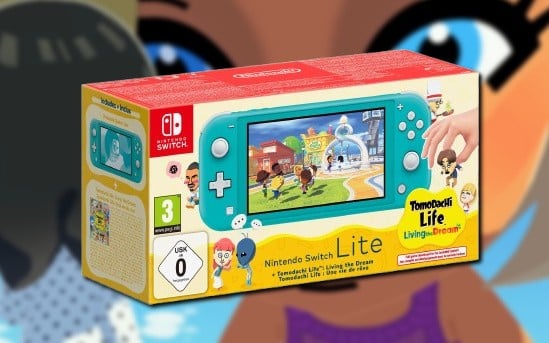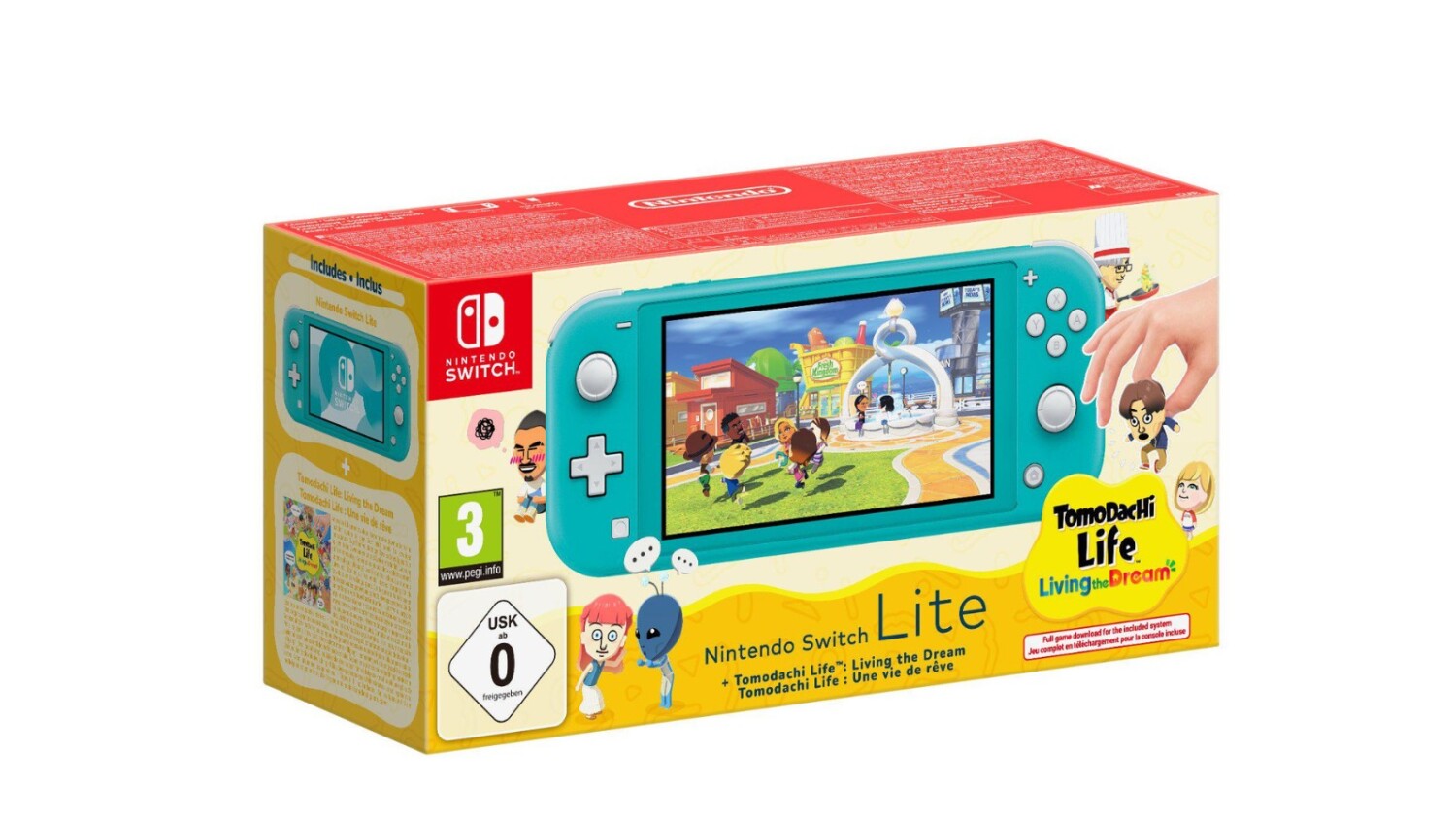

Nintendo has once again captured the hearts of simulation game fans with the revival of its offbeat and endearing franchise, launching Tomodachi Life: Living the Dream for the Nintendo Switch.
This updated social simulator expands on the creativity and character-driven storytelling that made the original Tomodachi Life a cult classic, now with a modern twist tailored for both veteran players and newcomers to Nintendo’s rich ecosystem.
The Tomodachi series is celebrated for its innovative use of Miis—Nintendo’s customizable avatars—to fuel a vibrant and interactive island community.
Similar to mechanics seen in Animal Crossing and recent titles like Pokémon Pokopia, Tomodachi Life: Living the Dream employs the Nintendo Switch’s internal clock to synchronize in-game events with real-world time.
Players can expect a bustling, dynamic experience as daily routines and unexpected events unfold in real time, adding an immersive, ever-changing quality to island life.
During a recent Nintendo-hosted virtual preview event, the development team showcased several significant enhancements that set this sequel apart.
The core process of creating and customizing Miis has been refined—not only do players fine-tune appearance, but they can now customize the pronunciation of names.
Players also have the power to assign pronouns—including they/them—and set individual dating preferences (male, female, or none), with all selections editable at any point.
This inclusive approach places Tomodachi Life: Living the Dream on the cutting edge of social simulation design, ensuring everyone finds representation and agency on their island.
“The game’s flexibility in customizing your character’s identity and relationships really makes the interactions feel uniquely personal and refreshed,” said a Nintendo spokesperson during the demonstration, highlighting the sequel’s commitment to modern, diverse player expression.
Exploring the island, the seamless “drag and drop” movement system allows players to navigate their Miis intuitively among various locations.
Even with a starting handful of characters, the previewed island was brimming with engaging activities, humor, and memorable conversations.
Dialog options influence the direction of relationships, paving the way for blossoming friendships, playful arguments, and everything in between.
The experience is accentuated by a series of mini-games—ranging from hilarious diversions to useful tasks that impact the Miis’ emotional well-being.
A standout moment from the preview featured a whimsical red light/green light mini-game, which underscored Nintendo’s trademark blend of lighthearted fun and subtle depth.
Customization also extends well beyond individual characters.
In handheld mode, players can draw directly onto the Switch screen, importing their art into the game or selling it through in-game shops for virtual currency.
This creative economy adds a rewarding layer to exploration and experimentation, while retaining the delightful, low-stakes tone that Tomodachi Life fans cherish.
While Miis don’t face dire consequences like death, they do encounter a full spectrum of emotion—sadness, joy, frustration, and more—resulting in the sort of touching, humorous moments that define the series.
Ultimately, Tomodachi Life: Living the Dream for Nintendo Switch represents a masterfully updated community simulator.
Combining easy-to-access interactions with robust customization, this title encourages creativity, relaxation, and laughter—all hallmarks of Nintendo’s enduring approach to fun.
Whether guiding your digital alter-egos through quirky adventures or simply unwinding after a long day, Tomodachi Life: Living the Dream is poised to be both a nostalgic favorite and a modern classic for simulation fans when it hits the eShop.
This updated social simulator expands on the creativity and character-driven storytelling that made the original Tomodachi Life a cult classic, now with a modern twist tailored for both veteran players and newcomers to Nintendo’s rich ecosystem.
The Tomodachi series is celebrated for its innovative use of Miis—Nintendo’s customizable avatars—to fuel a vibrant and interactive island community.
Similar to mechanics seen in Animal Crossing and recent titles like Pokémon Pokopia, Tomodachi Life: Living the Dream employs the Nintendo Switch’s internal clock to synchronize in-game events with real-world time.
Players can expect a bustling, dynamic experience as daily routines and unexpected events unfold in real time, adding an immersive, ever-changing quality to island life.
During a recent Nintendo-hosted virtual preview event, the development team showcased several significant enhancements that set this sequel apart.
The core process of creating and customizing Miis has been refined—not only do players fine-tune appearance, but they can now customize the pronunciation of names.
Players also have the power to assign pronouns—including they/them—and set individual dating preferences (male, female, or none), with all selections editable at any point.
This inclusive approach places Tomodachi Life: Living the Dream on the cutting edge of social simulation design, ensuring everyone finds representation and agency on their island.
“The game’s flexibility in customizing your character’s identity and relationships really makes the interactions feel uniquely personal and refreshed,” said a Nintendo spokesperson during the demonstration, highlighting the sequel’s commitment to modern, diverse player expression.
Exploring the island, the seamless “drag and drop” movement system allows players to navigate their Miis intuitively among various locations.
Even with a starting handful of characters, the previewed island was brimming with engaging activities, humor, and memorable conversations.
Dialog options influence the direction of relationships, paving the way for blossoming friendships, playful arguments, and everything in between.
The experience is accentuated by a series of mini-games—ranging from hilarious diversions to useful tasks that impact the Miis’ emotional well-being.
A standout moment from the preview featured a whimsical red light/green light mini-game, which underscored Nintendo’s trademark blend of lighthearted fun and subtle depth.
Customization also extends well beyond individual characters.
In handheld mode, players can draw directly onto the Switch screen, importing their art into the game or selling it through in-game shops for virtual currency.
This creative economy adds a rewarding layer to exploration and experimentation, while retaining the delightful, low-stakes tone that Tomodachi Life fans cherish.
While Miis don’t face dire consequences like death, they do encounter a full spectrum of emotion—sadness, joy, frustration, and more—resulting in the sort of touching, humorous moments that define the series.
Ultimately, Tomodachi Life: Living the Dream for Nintendo Switch represents a masterfully updated community simulator.
Combining easy-to-access interactions with robust customization, this title encourages creativity, relaxation, and laughter—all hallmarks of Nintendo’s enduring approach to fun.
Whether guiding your digital alter-egos through quirky adventures or simply unwinding after a long day, Tomodachi Life: Living the Dream is poised to be both a nostalgic favorite and a modern classic for simulation fans when it hits the eShop.