

Physical game media may feel more permanent than digital storefronts, but an example from Japan's retro market underscores how cartridges can fail.
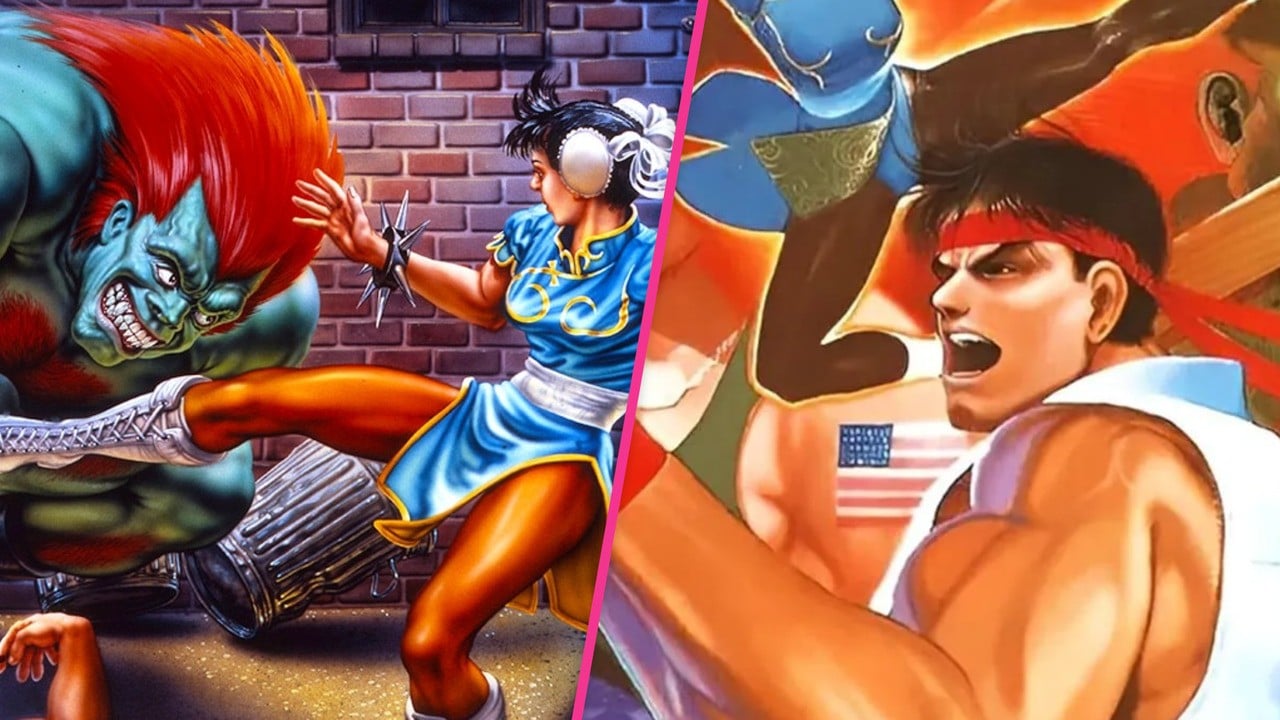
Capcom's Street Fighter II franchise began as an arcade phenomenon in 1991 and has been ported to numerous home systems, including the Super Famicom (the Japanese SNES).
A retro retailer has recently surfaced a damaged Super Famicom cartridge for Super Street Fighter II that demonstrates how even ROM-based media can suffer data corruption.
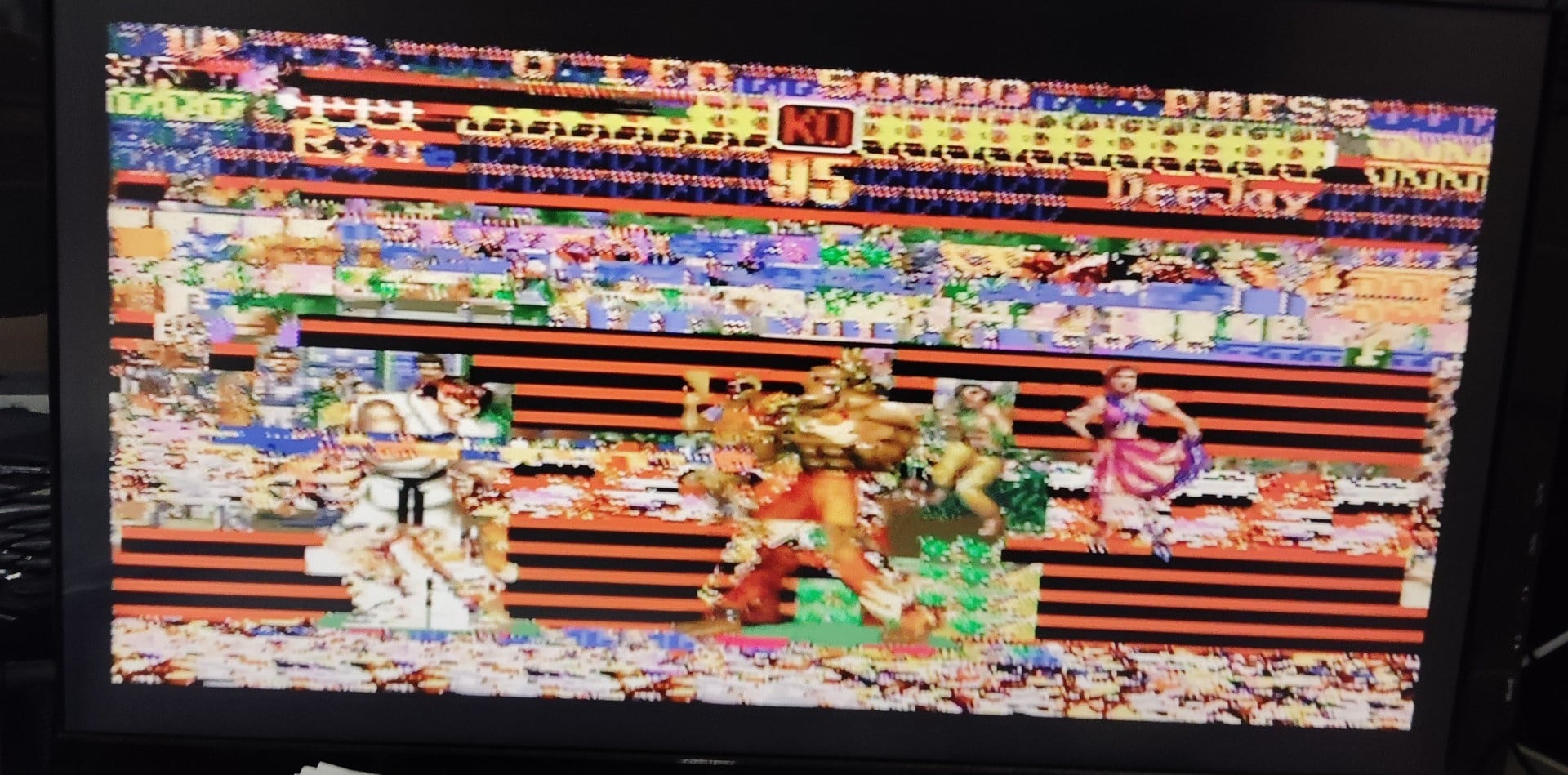
The incident was shared by Japanese retro store Beep, which published images showing scrambled in-game graphics when testing the cartridge.
In journalistic terms, the store said it conducted a functionality check on the Super Famicom Street Fighter II cartridge and found heavily distorted screenshots caused by data corruption rather than a simple contact problem, adding that ROM cartridges are not immune to failure.
Disc rot—a well-documented deterioration of optical media—has long been cited as a weakness of CD and DVD-based game distribution.
Cartridges avoid optical layers and are generally more robust, which is one reason many modern consoles such as the Nintendo Switch continue to offer cartridge-based physical releases alongside the Nintendo eShop's digital storefront.
However, cartridges still contain components that can degrade: exposed metal contacts can oxidize, battery-backed save cells (in older cartridges) can fail, and PCB-level faults or degraded ROM chips can lead to unreadable data.
These are documented hardware failure modes rather than hypothetical risks.
For collectors and preservationists, the Beep example is a reminder of why multiple approaches to long-term access matter.
Preservation efforts typically combine physical conservation, professional cleaning and repair, and verified data dumping to archival formats so that a game's content survives even if a single cartridge or disc fails.
Retro stores, museums, and community preservation groups frequently perform these tasks to safeguard gaming history.
The broader conversation around ownership and access has also been shaped by modern platform policies.
Nintendo still supports physical cartridges for the Nintendo Switch while offering digital purchases through the eShop, and Nintendo communicates product and service updates through channels such as Nintendo Direct.
That hybrid approach gives consumers options, but the Beep cartridge makes clear that neither physical nor digital distribution is inherently permanent — responsible stewardship and archiving are essential.
In short, the corrupted Super Street Fighter II cartridge is a concrete example of physical media degradation.
For gamers, collectors, and developers alike, it reinforces the importance of good storage, regular maintenance of legacy hardware, and coordinated preservation efforts to ensure classic titles remain playable for future generations.
Capcom's Street Fighter II franchise began as an arcade phenomenon in 1991 and has been ported to numerous home systems, including the Super Famicom (the Japanese SNES).
A retro retailer has recently surfaced a damaged Super Famicom cartridge for Super Street Fighter II that demonstrates how even ROM-based media can suffer data corruption.
The incident was shared by Japanese retro store Beep, which published images showing scrambled in-game graphics when testing the cartridge.
In journalistic terms, the store said it conducted a functionality check on the Super Famicom Street Fighter II cartridge and found heavily distorted screenshots caused by data corruption rather than a simple contact problem, adding that ROM cartridges are not immune to failure.
Disc rot—a well-documented deterioration of optical media—has long been cited as a weakness of CD and DVD-based game distribution.
Cartridges avoid optical layers and are generally more robust, which is one reason many modern consoles such as the Nintendo Switch continue to offer cartridge-based physical releases alongside the Nintendo eShop's digital storefront.
However, cartridges still contain components that can degrade: exposed metal contacts can oxidize, battery-backed save cells (in older cartridges) can fail, and PCB-level faults or degraded ROM chips can lead to unreadable data.
These are documented hardware failure modes rather than hypothetical risks.
For collectors and preservationists, the Beep example is a reminder of why multiple approaches to long-term access matter.
Preservation efforts typically combine physical conservation, professional cleaning and repair, and verified data dumping to archival formats so that a game's content survives even if a single cartridge or disc fails.
Retro stores, museums, and community preservation groups frequently perform these tasks to safeguard gaming history.
The broader conversation around ownership and access has also been shaped by modern platform policies.
Nintendo still supports physical cartridges for the Nintendo Switch while offering digital purchases through the eShop, and Nintendo communicates product and service updates through channels such as Nintendo Direct.
That hybrid approach gives consumers options, but the Beep cartridge makes clear that neither physical nor digital distribution is inherently permanent — responsible stewardship and archiving are essential.
In short, the corrupted Super Street Fighter II cartridge is a concrete example of physical media degradation.
For gamers, collectors, and developers alike, it reinforces the importance of good storage, regular maintenance of legacy hardware, and coordinated preservation efforts to ensure classic titles remain playable for future generations.