
Introduction
Street Fighter II remains one of the most influential fighting games in history.
Developed and published by Capcom, the title debuted in arcades in 1991 and was later ported to home consoles, including the Super Nintendo Entertainment System.
The game's global success coincided with a period when Western publishers frequently commissioned new box art for Japanese games during localization, a practice intended to better align marketing with perceived regional tastes.
Background: localization and Western box art
In the 1980s and early 1990s, it was common for Japanese video games to receive entirely new packaging for North American and European releases.
Publishers often hired regional illustrators to create box art they believed would appeal more to Western audiences.
Those changes affected how many players first encountered a game, and in some cases the alternative art became as iconic in the West as the original Japanese illustrations.
Akira Yasuda (Akiman) and Capcom
Akira Yasuda, commonly known by his pen name Akiman, served as a lead artist at Capcom and contributed significantly to the visual identity of Street Fighter II.
On social media Yasuda recalled being prevented from producing the North American cover art during development.
He reported that a foreign marketing representative told him that Japanese art styles would not be accepted by North American consumers.
Put simply by Yasuda’s account: a marketing spokesperson argued that art rendered in the Japanese style would not resonate with the North American market.
Mick McGinty and Western marketing
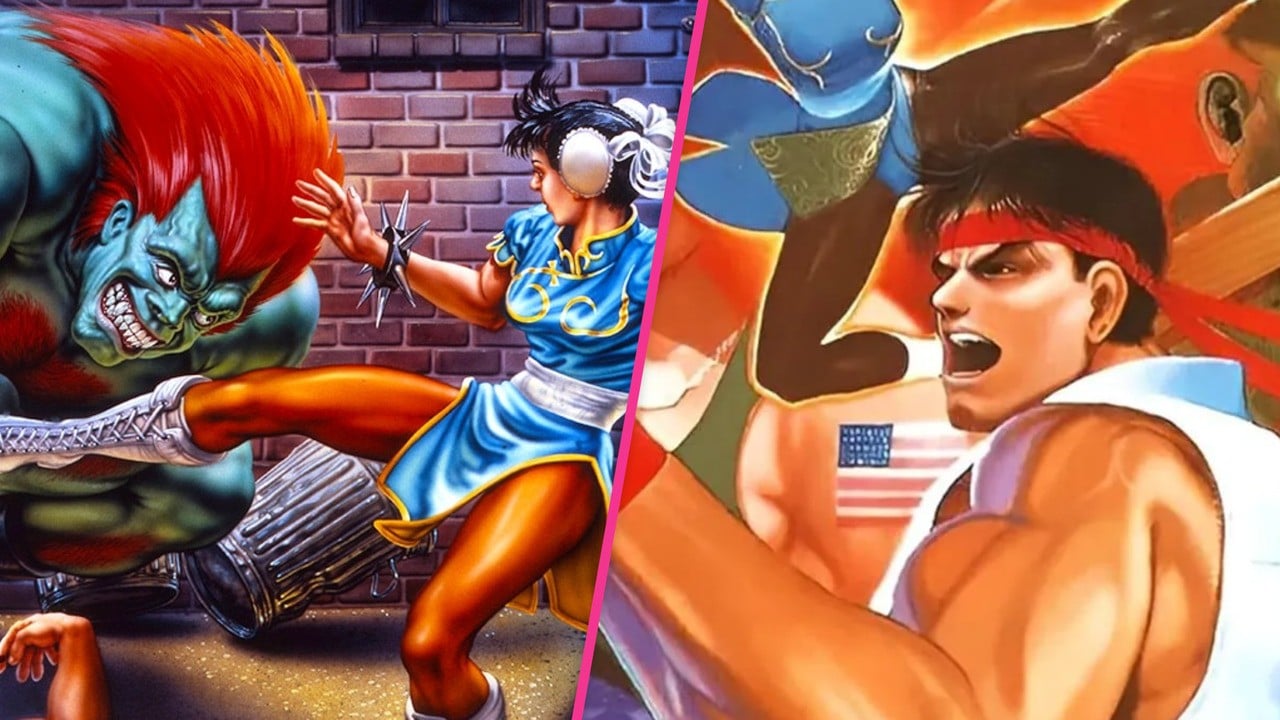
The Western box art for Street Fighter II was created by illustrator Mick McGinty, whose covers became familiar to many players in the West.
McGinty’s Western-style illustrations served as the public face of the game for that audience; he later passed away in 2021.
Both artists’ work — Yasuda’s character designs and McGinty’s covers — have left a lasting legacy on how the title is remembered across regions.
Legacy and modern availability
Street Fighter II’s arcade debut and subsequent home-console ports helped establish Capcom’s fighting franchise.
The game has since appeared in various compilations and re-releases on modern platforms and digital storefronts.
As retro titles are reintroduced on services such as the Nintendo eShop and as part of contemporary collections, discussions about original versus localized art continue to inform how publishers present classic games to new audiences.
Street Fighter II remains one of the most influential fighting games in history.
Developed and published by Capcom, the title debuted in arcades in 1991 and was later ported to home consoles, including the Super Nintendo Entertainment System.
The game's global success coincided with a period when Western publishers frequently commissioned new box art for Japanese games during localization, a practice intended to better align marketing with perceived regional tastes.
Background: localization and Western box art
In the 1980s and early 1990s, it was common for Japanese video games to receive entirely new packaging for North American and European releases.
Publishers often hired regional illustrators to create box art they believed would appeal more to Western audiences.
Those changes affected how many players first encountered a game, and in some cases the alternative art became as iconic in the West as the original Japanese illustrations.
Akira Yasuda (Akiman) and Capcom
Akira Yasuda, commonly known by his pen name Akiman, served as a lead artist at Capcom and contributed significantly to the visual identity of Street Fighter II.
On social media Yasuda recalled being prevented from producing the North American cover art during development.
He reported that a foreign marketing representative told him that Japanese art styles would not be accepted by North American consumers.
Put simply by Yasuda’s account: a marketing spokesperson argued that art rendered in the Japanese style would not resonate with the North American market.
Mick McGinty and Western marketing
The Western box art for Street Fighter II was created by illustrator Mick McGinty, whose covers became familiar to many players in the West.
McGinty’s Western-style illustrations served as the public face of the game for that audience; he later passed away in 2021.
Both artists’ work — Yasuda’s character designs and McGinty’s covers — have left a lasting legacy on how the title is remembered across regions.
Legacy and modern availability
Street Fighter II’s arcade debut and subsequent home-console ports helped establish Capcom’s fighting franchise.
The game has since appeared in various compilations and re-releases on modern platforms and digital storefronts.
As retro titles are reintroduced on services such as the Nintendo eShop and as part of contemporary collections, discussions about original versus localized art continue to inform how publishers present classic games to new audiences.