Super Mario Galaxy Movie Incorporates Universal’s AI Training Ban in Film Credits
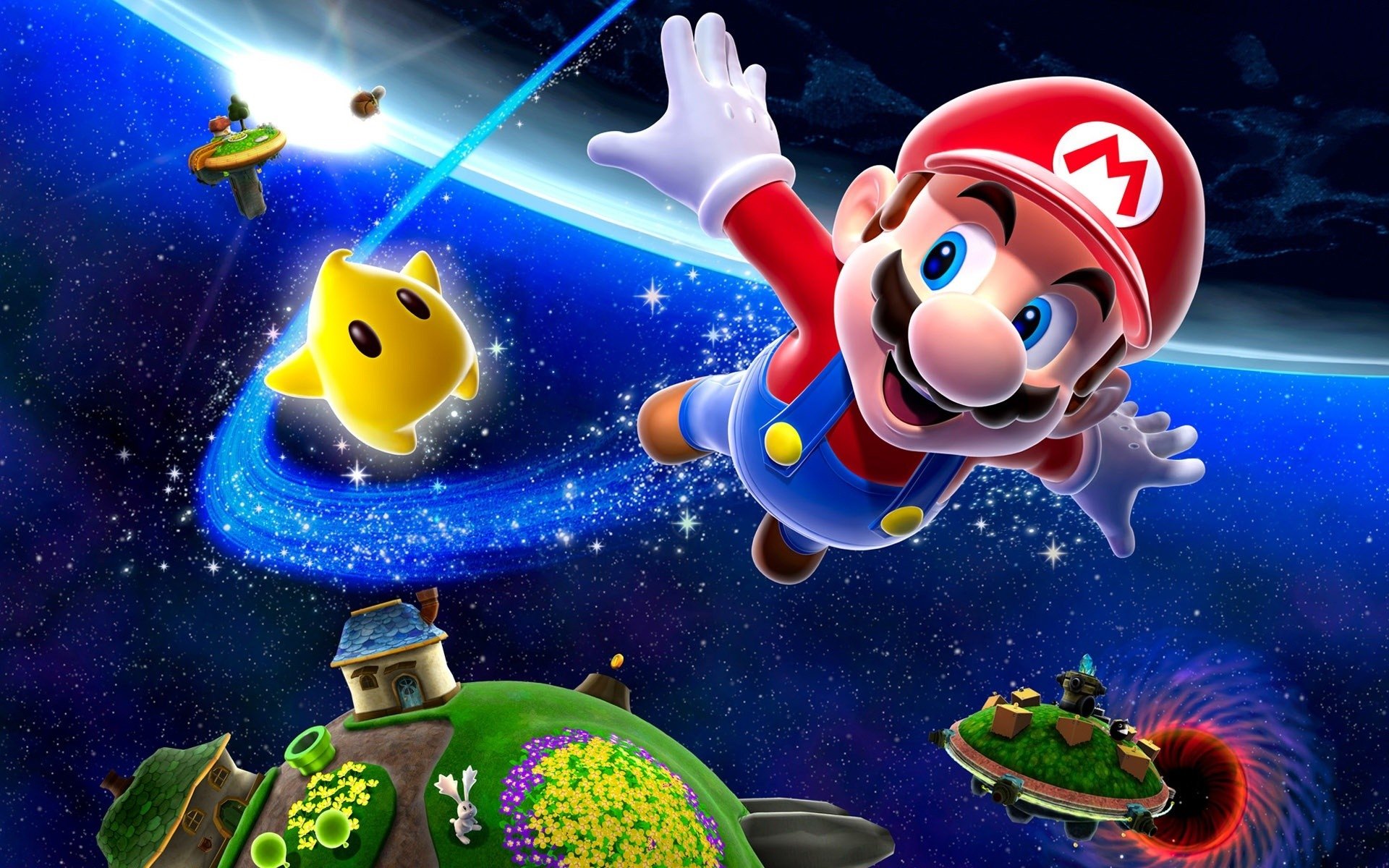
Nintendo and Illumination’s latest animated blockbuster, the Super Mario Galaxy Movie, debuted in theaters last week to much anticipation from fans and industry watchers alike.
Building on the enduring popularity of Nintendo’s Super Mario Galaxy, originally released for the Nintendo Wii in 2007 and later re-released on platforms such as the Nintendo Switch, the movie adaptation continues both companies’ successful partnership, which previously brought the Super Mario Bros.
Movie to global audiences.
Alongside its box office launch, a notable addition in the Super Mario Galaxy Movie’s credits has drawn attention within the industry.
As reported by Gamespot, viewers have observed a clear disclaimer located at the very conclusion of the film’s credits sequence, specifically prohibiting the use of the movie for AI training purposes.
This new clause, grouped with traditional copyright and distribution warnings, marks a critical evolution in how major film studios are addressing the rise of artificial intelligence and data mining technologies in digital content creation.
According to The Hollywood Reporter, Universal Pictures — which distributes the Super Mario Galaxy Movie — began including this specific AI usage restriction in the credits of all their productions starting in June 2025.
The language of the disclaimer references legal protections in various jurisdictions, notably citing Article 4(3) of Directive (EU) 2019/790, an element of European law that deals with copyright implications in relation to data mining and AI research.
The written statement found in the film’s credits asserts, in effect, that this motion picture is fully protected by United States and international copyright law.
It states that unauthorized duplication, distribution, or exhibition may result in civil and criminal penalties.
Additionally, the disclaimer specifies that the work is reserved from any data mining or AI training, explicitly referencing the European directive in question, and concludes by confirming that this content may not be used to train AI systems.
This policy change from Universal Pictures represents a significant move in the entertainment industry’s ongoing response to the rapid advancements and potential risks associated with artificial intelligence.
Legal experts and copyright holders have expressed growing concern over the use of creative works — including video games, cinematic productions, and associated assets — as training data for generative AI models that could simulate or reproduce their content.
By codifying this prohibition directly into their films, Universal and its partners, such as Nintendo and Illumination, are establishing a public, legal boundary designed to safeguard intellectual property in an age of emerging technologies.
The Super Mario Galaxy Movie’s release not only extends Nintendo’s cinematic universe but also spotlights evolving practices in digital media rights.
As artificial intelligence continues to shape the ways in which content is consumed, created, and reused, industry leaders like Nintendo, Illumination, and Universal are setting the precedent for responsible stewardship of creative assets.
The inclusion of the AI training ban in the film’s credits is a clear signal of the industry’s intent to proactively address the ethical and legal concerns presented by AI development.
Super Mario Galaxy Movie is now screening in theaters worldwide.
As the industry watches the film’s commercial impact and critical reception, its approach to AI and copyright protections is certain to resonate beyond the box office — influencing policies and best practices across gaming, film, and digital content creation for years to come.
Nintendo and Illumination’s latest animated blockbuster, the Super Mario Galaxy Movie, debuted in theaters last week to much anticipation from fans and industry watchers alike.
Building on the enduring popularity of Nintendo’s Super Mario Galaxy, originally released for the Nintendo Wii in 2007 and later re-released on platforms such as the Nintendo Switch, the movie adaptation continues both companies’ successful partnership, which previously brought the Super Mario Bros.
Movie to global audiences.
Alongside its box office launch, a notable addition in the Super Mario Galaxy Movie’s credits has drawn attention within the industry.
As reported by Gamespot, viewers have observed a clear disclaimer located at the very conclusion of the film’s credits sequence, specifically prohibiting the use of the movie for AI training purposes.
This new clause, grouped with traditional copyright and distribution warnings, marks a critical evolution in how major film studios are addressing the rise of artificial intelligence and data mining technologies in digital content creation.
According to The Hollywood Reporter, Universal Pictures — which distributes the Super Mario Galaxy Movie — began including this specific AI usage restriction in the credits of all their productions starting in June 2025.
The language of the disclaimer references legal protections in various jurisdictions, notably citing Article 4(3) of Directive (EU) 2019/790, an element of European law that deals with copyright implications in relation to data mining and AI research.
The written statement found in the film’s credits asserts, in effect, that this motion picture is fully protected by United States and international copyright law.
It states that unauthorized duplication, distribution, or exhibition may result in civil and criminal penalties.
Additionally, the disclaimer specifies that the work is reserved from any data mining or AI training, explicitly referencing the European directive in question, and concludes by confirming that this content may not be used to train AI systems.
This policy change from Universal Pictures represents a significant move in the entertainment industry’s ongoing response to the rapid advancements and potential risks associated with artificial intelligence.
Legal experts and copyright holders have expressed growing concern over the use of creative works — including video games, cinematic productions, and associated assets — as training data for generative AI models that could simulate or reproduce their content.
By codifying this prohibition directly into their films, Universal and its partners, such as Nintendo and Illumination, are establishing a public, legal boundary designed to safeguard intellectual property in an age of emerging technologies.
The Super Mario Galaxy Movie’s release not only extends Nintendo’s cinematic universe but also spotlights evolving practices in digital media rights.
As artificial intelligence continues to shape the ways in which content is consumed, created, and reused, industry leaders like Nintendo, Illumination, and Universal are setting the precedent for responsible stewardship of creative assets.
The inclusion of the AI training ban in the film’s credits is a clear signal of the industry’s intent to proactively address the ethical and legal concerns presented by AI development.
Super Mario Galaxy Movie is now screening in theaters worldwide.
As the industry watches the film’s commercial impact and critical reception, its approach to AI and copyright protections is certain to resonate beyond the box office — influencing policies and best practices across gaming, film, and digital content creation for years to come.