The Legend of Zelda franchise underwent a major artistic and commercial turnaround with The Legend of Zelda: Breath of the Wild, and former Nintendo employees Kit Ellis and Krysta Yang recently reminded listeners just how precarious the series' position had been before that reinvention.
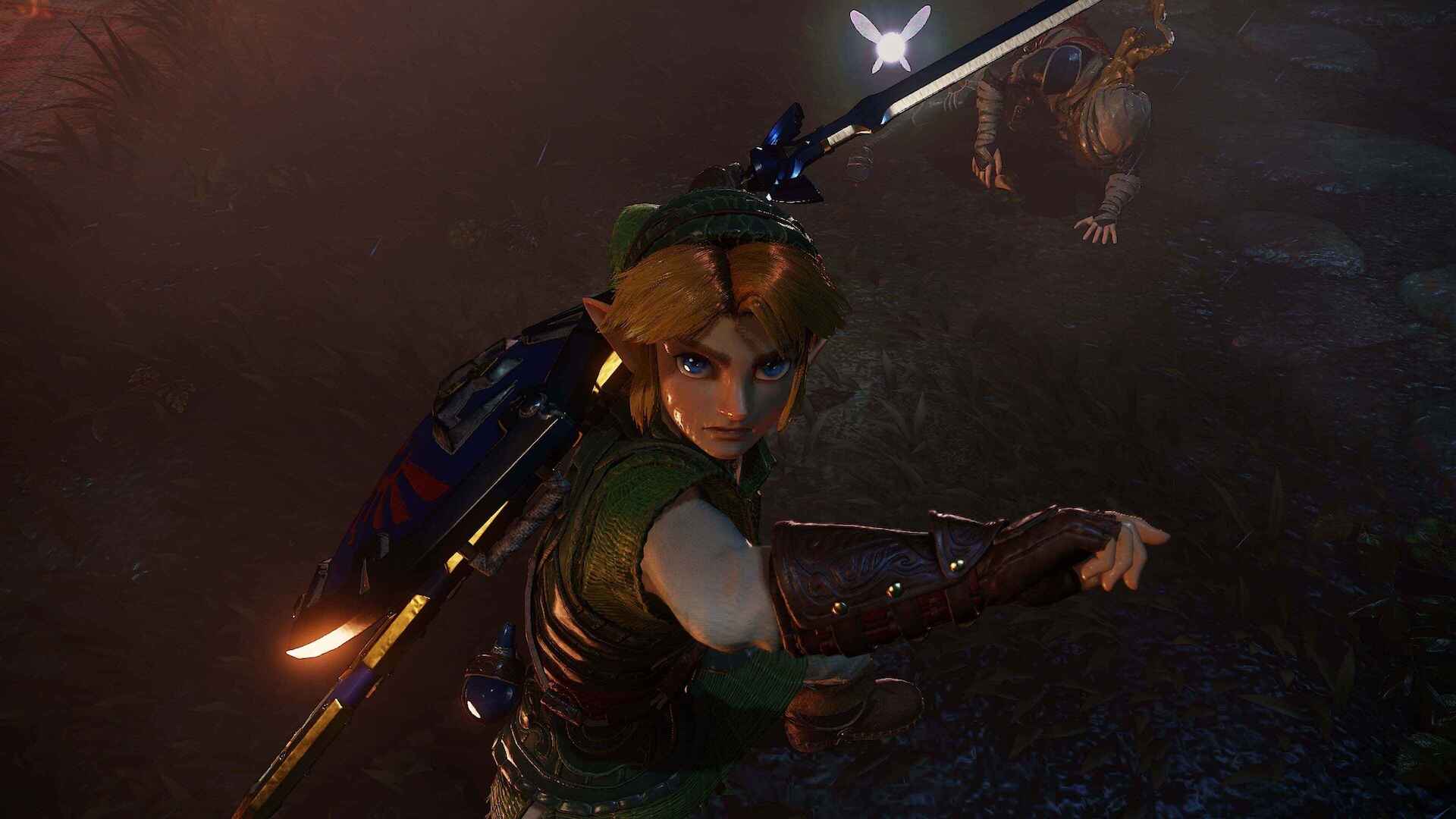
Breath of the Wild launched for Nintendo Switch and Wii U on March 3, 2017, and its open-world design and critical acclaim delivered a renewed wave of interest for a franchise that had previously relied on a more traditional action-adventure formula exemplified by titles such as Ocarina of Time (originally released for Nintendo 64 in 1998).
Ellis and Yang—both known for their previous roles inside Nintendo’s localization and community teams—discussed the period leading up to Breath of the Wild on their podcast.
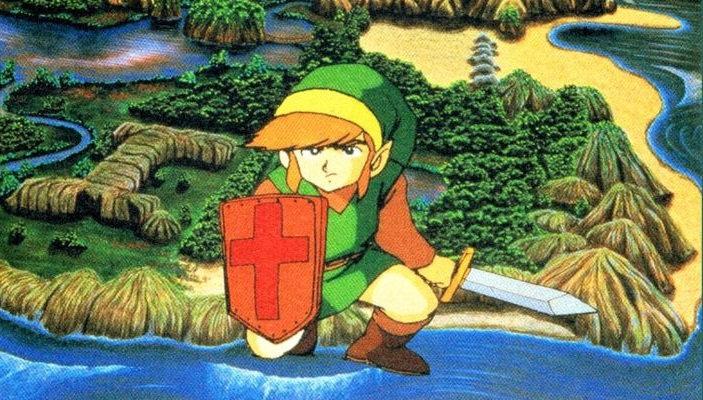
In journalistic terms, Ellis argued that some recent accounts had overstated the notion that the development team simply “took away” the classic format at the franchise’s peak.
Instead, she said, the team believed the series was in serious trouble.
Yang added that sales and player interest were declining and that feedback from focus groups made it clear those entries were failing to recruit new audiences.
Yang summarized the mood succinctly: the team felt they were losing the franchise.
Those comments help explain why Nintendo EPD pursued a bold change in design philosophy.
Breath of the Wild’s open-world systems departed from the series’ established structure and sparked a major commercial resurgence; the title has sold millions of copies worldwide and reestablished Zelda as a headline franchise for Nintendo.
Nintendo followed that success with The Legend of Zelda: Tears of the Kingdom, released for Nintendo Switch on May 12, 2023, which continued the series’ emphasis on player-driven exploration and physics-based systems.
The conversation around Zelda’s past and future has also been informed by renewed attention to classic entries such as Ocarina of Time, which remains a touchstone for what many players consider “traditional” Zelda design.
Longtime producer Eiji Aonuma has overseen the series through its shifts in design across generations and platforms, from Nintendo 64 to Wii U and Nintendo Switch.
For industry observers and developers, the Zelda case remains an instructive example of franchise stewardship: when sales and engagement falter, developers can opt for incremental updates or more radical rethinking.
In Zelda’s case, Nintendo’s gamble on an open world paid off, reversing a decline that insiders describe as a period when the team genuinely felt they were “losing this.”