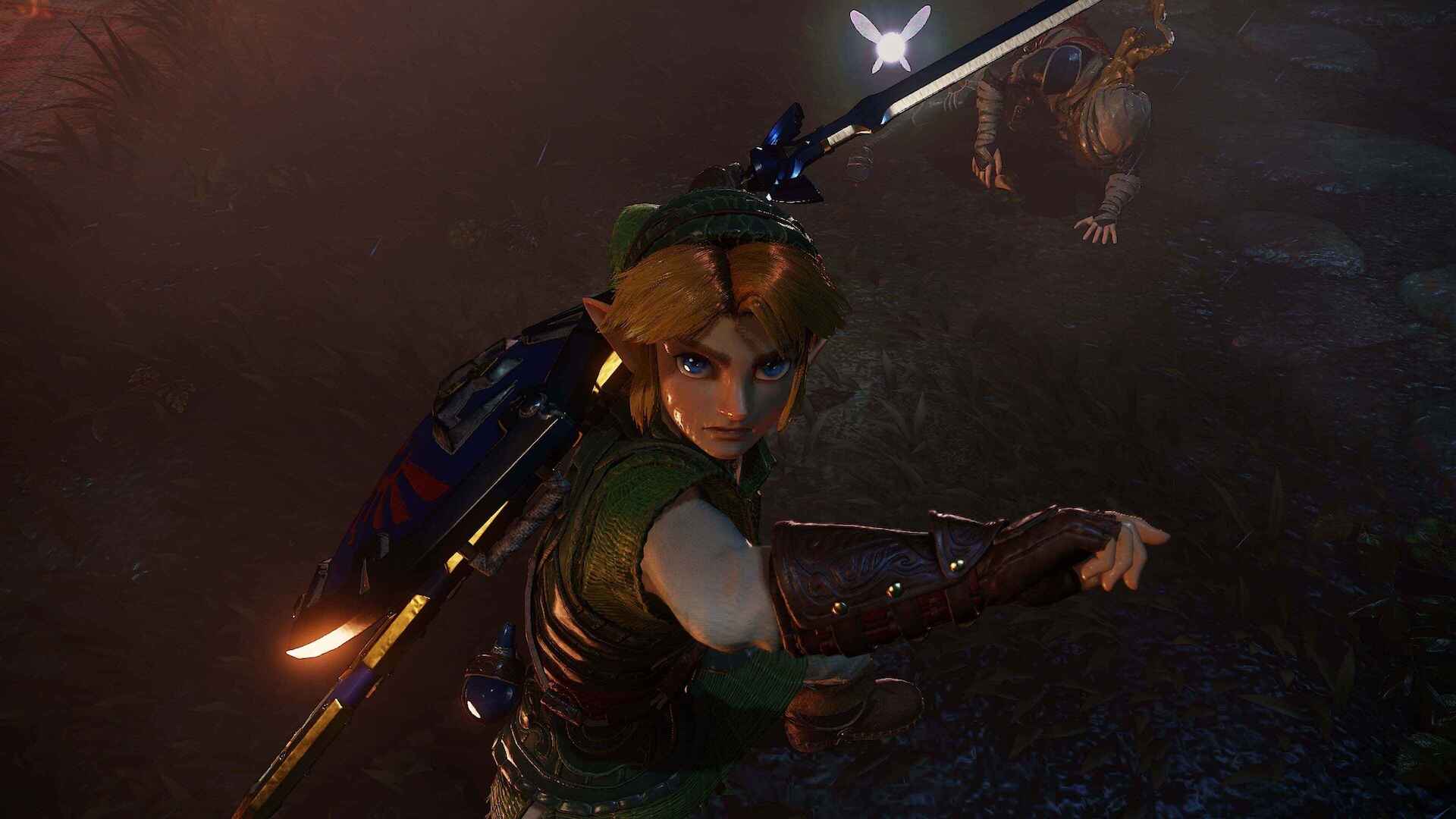
The Legend of Zelda franchise underwent a major creative pivot in the 2010s when Nintendo reimagined the series’ core design with Breath of the Wild, a shift that restored both critical attention and broader commercial interest. Developed by Nintendo's Entertainment Planning & Development (EPD) division, Breath of the Wild launched on March 3, 2017 for Nintendo Switch and Wii U and marked a decisive move toward open-world design. Its follow-up, The Legend of Zelda: Tears of the Kingdom, arrived on May 12, 2023 for Nintendo Switch, continuing that approach.
Longtime Zelda entries such as Ocarina of Time (original release November 21, 1998 on Nintendo 64) and The Legend of Zelda: Skyward Sword (original Wii release November 20, 2011; HD remaster on Nintendo Switch released July 16, 2021) helped define the franchise’s traditional action-adventure structure. By the mid-2010s, however, some within the community and at outlets covering Nintendo pointed to a sense that the series needed new direction to attract fresh players.
On a recent episode of the Nintendo Life podcast, presenters Kit Ellis and Krysta Yang discussed that transitional period for the Zelda team. Ellis argued that current narratives sometimes overstate how popular the older, traditional format remained at the time. Yang added that internal and external feedback suggested the series’ momentum had weakened, noting that sales and interest were not bringing in new audiences. Yang told listeners the situation had a demoralizing effect on those involved, saying the team felt they were "losing" ground before Breath of the Wild's release.
Those comments underscore a widely reported outcome: Breath of the Wild’s departure from the established template revitalized public and critical interest in Zelda. The title received widespread acclaim and earned numerous Game of the Year honors in 2017, while Tears of the Kingdom continued strong sales and player engagement on Nintendo Switch in 2023.
Today the franchise’s catalogue—spanning classic 3D entries, remasters available on the Nintendo eShop, and the open-world experiments of the last decade—remains a central pillar of Nintendo’s lineup. The evolution from Skyward Sword-era design toward the open-world systems of Breath of the Wild and Tears of the Kingdom represents one of the most consequential development shifts in the series’ history.
How Breath of the Wild Revived The Legend of Zelda: A Look Back at the Series' Reinvention
Nintendo News Hub

Game Pages Mentioned In This Article
Use these Nintendo Switch game pages to keep exploring the titles connected to this story, including related genres, developers, screenshots, and more coverage.
Related Topics
Explore more articles about these topics:
Source: NintendoSwitchLife