
The Legend of Zelda: Ocarina of Time remains one of Nintendo’s most influential titles, and its enemies—most notably the ReDead—are a core part of its horror-lite legacy.
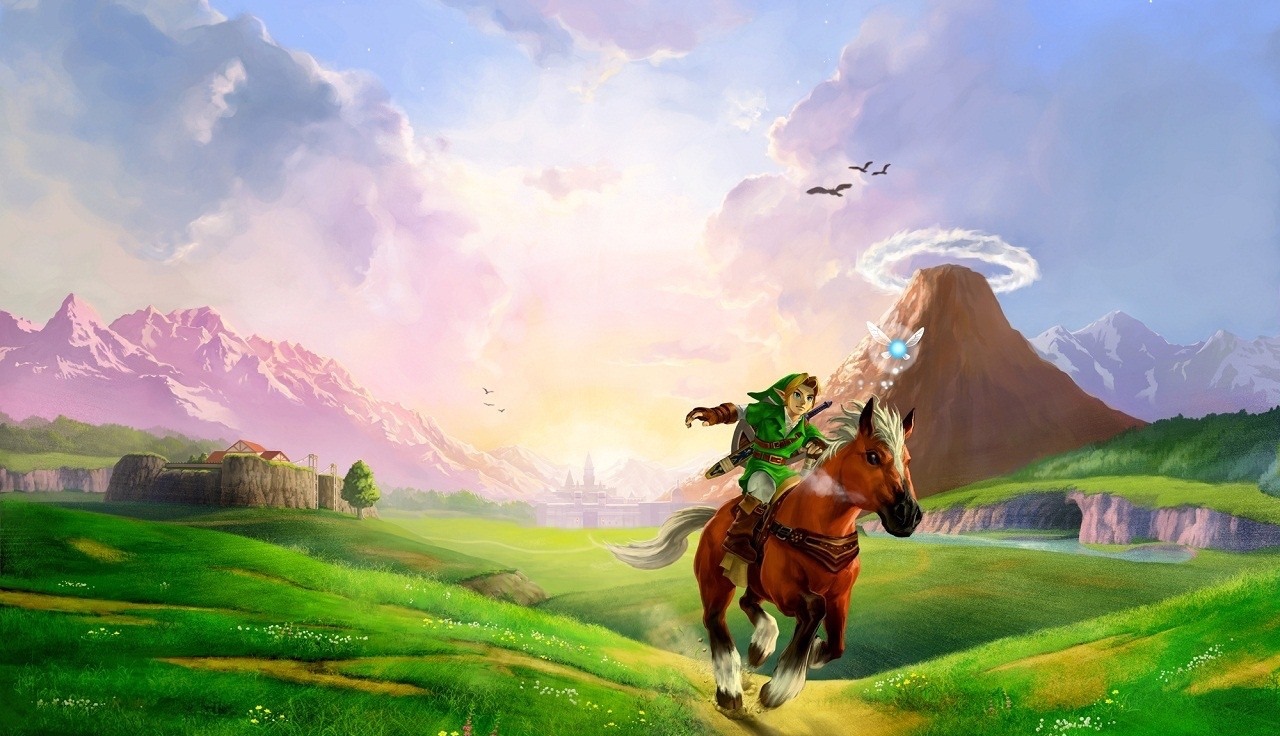
First released on the Nintendo 64 in 1998, Ocarina of Time has since received remakes and re-releases, including Ocarina of Time 3D for the Nintendo 3DS in 2011.
Recent discussions around a modern remake have focused on how updated graphics and audio can alter player perception of classic encounters.
In a recent GameSpot interview, producer Hidemaro Fujibayashi addressed the development team's approach to the ReDead in the remake.
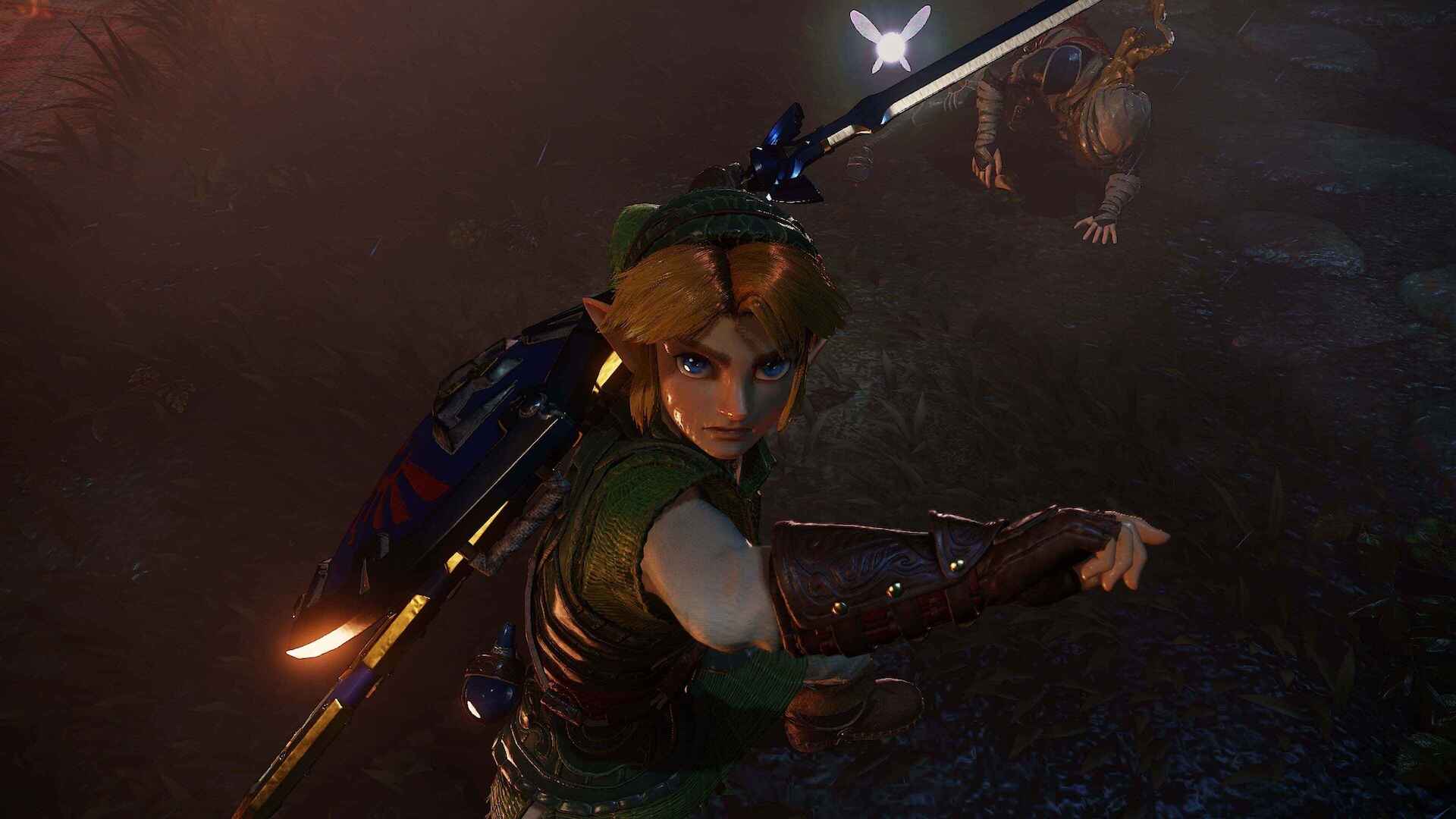
Fujibayashi explained that improvements to sound design, animations, and visual fidelity had made the ReDead considerably scarier than in the original game.
The team initially pushed those elements to intensify the gameplay moment, but ultimately decided to reduce some of that heightened intensity.
Fujibayashi said the developers stepped back to ensure the remake retained the tone and experience fans remember, and chose to “dial back” aspects that risked changing the core feel of the game.
ReDead creatures have been a recurring enemy throughout the Zelda franchise, appearing in titles such as Ocarina of Time and Majora’s Mask.
They are characterized by their slow, uncanny approach and the ability to freeze or paralyze Link, which has long contributed to tense dungeon and overworld encounters.
In remaking legacy titles, Nintendo teams frequently balance technical upgrades with faithfulness to original gameplay and atmosphere—a tension Fujibayashi explicitly acknowledged.
This conversation follows broader industry patterns: developers often refine audio-visual elements in remasters and remakes to take advantage of modern hardware while attempting to preserve the player experience that made the original memorable.
Nintendo has repeatedly used channels such as Nintendo Direct and official Nintendo Life and GameSpot interviews to communicate these decisions to fans, and the Nintendo eShop and platform releases like the Nintendo 3DS or Nintendo Switch remain primary ways for players to access classic and updated Zelda entries.
By choosing to temper the ReDead’s scariness in the remake, the development team underscored a guiding principle in modern preservation of classic games—use modern tools to enhance clarity and playability without altering the emotional beats that define the original title.